Origins and Birth of Ucchaishravas
In the vast tapestry of Vedic and Puranic literature, Ucchaishravas stands out as the magnificent white horse born from the churning of the ocean, known as Samudra Manthan. When the devas and asuras cooperated to obtain the nectar of immortality, a host of wondrous objects emerged, and among them was this celestial steed, described as flawless, radiant, and swifter than the wind.
Symbolic Meaning
The horse embodies purity, vigor, and the unbridled spirit of the divine. Its pristine coat symbolizes untainted consciousness, while its speed reflects the soul’s swift journey toward liberation. Scholars often link Ucchaishravas to the sun’s chariot, emphasizing its role as a conduit between the mortal realm and the celestial.
Ucchaishravas in Epic Narratives
While the horse does not feature prominently in the main plotlines of the Mahabharata or the Ramayana, it appears in several ancillary tales. One popular story recounts how the god Indra offered Ucchaishravas to the heroic king Arjuna as a reward for his unwavering devotion. The king, recognizing the horse’s divine nature, used it to transport sacred relics across the Himalayas.
Connection with Other Divine Steeds
- Airavata – the white elephant of Indra
- Uchchaihshravas – often confused with the horse, but distinct in mythic function
- Hayagriva – the horse‑headed avatar of Vishnu, representing knowledge
These beings together illustrate the Vedic fascination with powerful animals as extensions of divine authority.
Rituals and Worship
In several rural traditions of North India, especially in the Himalayan foothills, devotees honor Ucchaishravas during spring festivals. Offerings of milk, fragrant herbs, and white cloth are placed on altars shaped like a horse’s silhouette. Priests chant verses from the Rig Veda that praise the horse’s brilliance and request blessings for speed, stamina, and mental clarity.
Modern Relevance
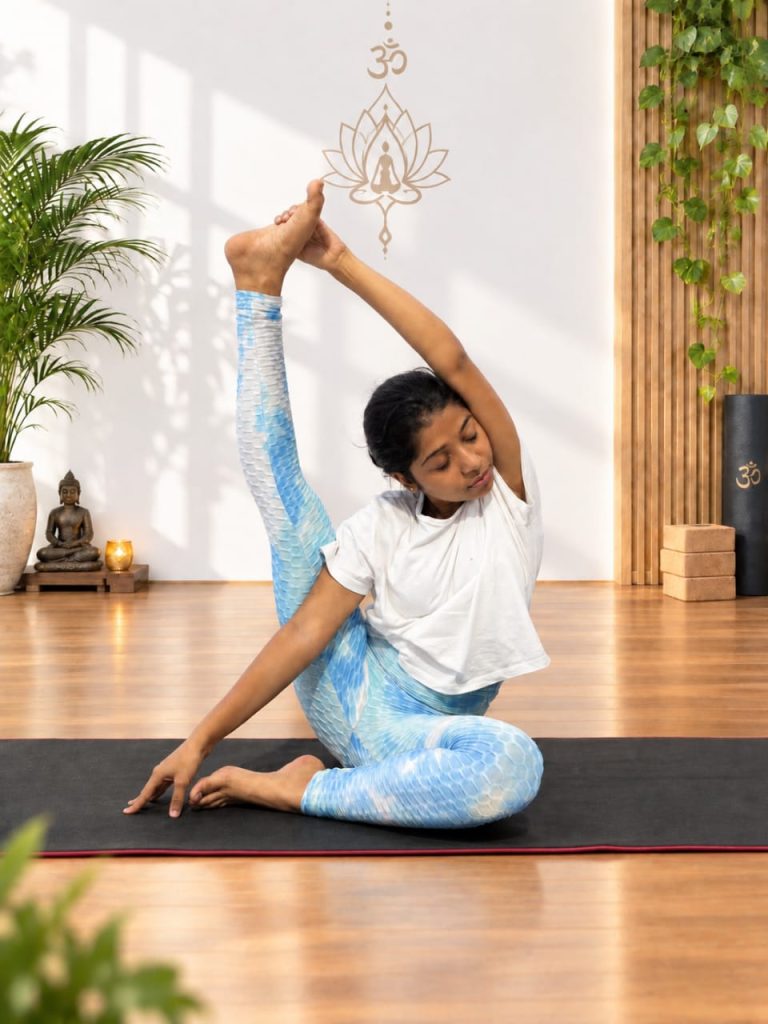
Today, the image of Ucchaishravas appears in yoga studios, where the “white horse pose” (Uttana Shishosana) draws inspiration from the deity’s graceful posture. Moreover, contemporary authors use the horse as a metaphor for achieving one’s highest potential without compromising purity.
Key Takeaways
Understanding Ucchaishravas offers a window into how ancient Hindus perceived the natural world as alive with sacred significance. By studying this divine horse, seekers can appreciate the layered symbolism that connects mythology, ritual practice, and personal transformation.
Iconography and Artistic Depictions
Ancient temples in Kashmir and Himachal Pradesh feature carvings of a shining white horse with six heads, each representing a different Vedic virtue. Paintings from the Mughal era sometimes portray Ucchaishravas alongside Indra’s thunderbolt, emphasizing its role as a celestial companion. In contemporary graphic art, the horse is rendered with luminous outlines, reinforcing its status as an ethereal being.
Cultural Impact and Popular Media
Modern Indian cinema has occasionally referenced Ucchaishravas as a symbol of unbeatable speed. Television series adapting the Mahabharata often include a brief scene of the horse being presented to a hero, providing visual audiences with a glimpse of this rare mythology. Additionally, several indie game developers have incorporated Ucchaishravas as a mount that grants players temporary invincibility.
Frequently Asked Questions
What event led to the birth of Ucchaishravas?
Ucchaishravas emerged from the Samudra Manthan, the churning of the ocean.
Which deity is most commonly associated with gifting Ucchaishravas?
Indra, the king of the gods, is said to have offered the horse to heroes.
How is Ucchaishravas typically depicted in temple art?
As a radiant white horse, sometimes with multiple heads, symbolizing purity and speed.
What modern practice draws inspiration from Ucchaishravas?
The Uttana Shishosana, or “white horse” yoga pose, is inspired by the divine steed.
Test Your Knowledge and Win Coupons to Get Discounts
Have a correction or improvement to suggest?
Log in or create a free accountRelated Videos

packing prasad to everyone who has contributed on srisailam havan.

Jogulamba Temple The Next Havan location 6th of 64

5th Havan of the 64 Shakti Peeth Havan — Srisailam

Fifth havan out of 64 in srisailam.

At India's largest tiger reserve getting ready for our fifth havan. all are welcome

Pvt group initiation into yoni mudra and tantra @mysore.

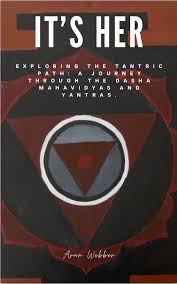
Kali yantra bags are available

Tantrik workshop with satyama




Leave a Reply