Understanding the Imperishable Nature of Existence
In the profound teachings of the Yoga Kundalini Upanishad, we are introduced to the essence of existence that transcends the material realm. The verse illustrates the concept that true reality is beyond the five senses: sound, touch, form, taste, and smell. This understanding invites us to look beyond the physical world and recognize the eternal, imperishable nature of our being.
The Nature of the Imperishable
When we reflect on the verse, we find key qualities described: eternal, imperishable, beginningless, and endless. These attributes signify a state that is not subject to the fluctuations of the material world. Unlike physical entities that arise and pass away, this essence remains constant. This non-material reality is described as pure and free from affliction, leading to the understanding that our true self is untainted by worldly suffering.
Transcending the Material World
To comprehend this nature, it is essential to distinguish between the observer and the observed. Our senses may perceive myriad forms and experiences, but the verse reminds us that the underlying reality is one that cannot be fully grasped through sensory perception. In meditation and deep contemplation, we learn to dissolve the identification with the senses and transcend the attachments formed through them.
The Path to Self-Realization
The teachings encourage us to embrace a path towards self-realization, which means recognizing that we are, indeed, that which remains. As we meditate on this truth, insights emerge. We begin to see that while our physical bodies and minds may change, the essence within us is eternal. This realization fosters inner peace and freedom, creating space for the highest form of self-awareness.
Practical Applications in Daily Life
Understanding this philosophical perspective can radically alter how we approach our daily lives. Awareness of our imperishable nature encourages a balanced approach towards life’s challenges, as we learn to engage with the world without undue attachment or aversion. Cultivating such awareness can be achieved through practices like meditation, mindfulness, and self-inquiry.
Importantly, these practices are not just about developing a passive acceptance of life’s impermanence; instead, they nurture a proactive engagement with life stemming from a deep-seated understanding of our true nature.
Conclusion
The profound insights outlined in the Yoga Kundalini Upanishad urge us to explore the depths of our being beyond the surface-level experiences dictated by sound, touch, form, taste, and smell. By embracing the notions of eternity and imperishability, we can step into a fuller understanding of existence that is liberated from suffering and grounded in pure awareness.
Frequently Asked Questions
What does 'imperishable' refer to in the context of the Upanishads?
Imperishable refers to the eternal nature of the self that is beyond physical existence.
How can meditation help in realizing the eternal self?
Meditation allows individuals to focus on their inner awareness, removing distractions and fostering a deeper connection with their true essence.
What is the significance of sensory perceptions in spiritual practice?
Sensory perceptions can lead to attachment and distraction; realizing their impermanence is crucial for spiritual growth.
Test Your Knowledge and Win Coupons to Get Discounts
Have a correction or improvement to suggest?
Log in or create a free accountRelated Videos

It is important to go through upanishad to understand what it is meant by living eternal.

Discovering the Powerful World of Mushrooms From Nature Walks to Magic Experiences

Prakruthi is the ultimate nature of the core feminine.

Sutra are the term denotes ultimate secretes related to nature of visible universe.
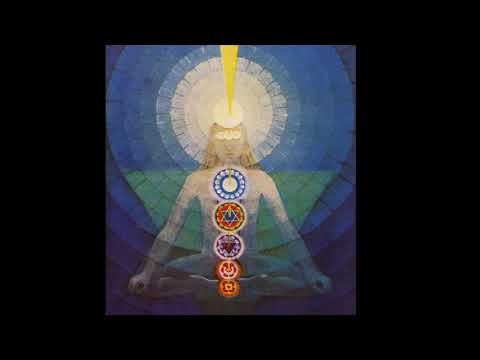
Kundalini Yoga - How It Helps Us To See Reality

Creating a #space for #tantric practices are #essential. #shorts

To experience reality we need to change the pattern of thought. Please learn to unlearn.

Learn Stop Meditation and Live the life with heart breaking freedom.









Leave a Reply