Introduction to Verai Mata
Verai Mata is a revered folk goddess worshipped across the western hills of Maharashtra. She is considered the protector of villages, especially those located near dense forests and riverbanks. Devotees invoke her for safety, health, and prosperity, believing she watches over every household.
Mythic Origins and Legends
According to oral tradition, Verai Mata was once a mortal woman named Verai who displayed extraordinary compassion during a famine. She shared her last morsels of grain with starving families, and the gods, moved by her selflessness, transformed her into a divine guardian.
Another legend tells of a fierce battle between the goddess and a band of marauding thieves who threatened a small settlement. With a single shout, Verai Mata summoned a storm that scattered the invaders, cementing her status as the village’s defender.
Key Themes in the Stories
- Self‑sacrifice and communal welfare
- The intertwining of nature and the divine
- Protection against external threats
Iconography and Symbols
Statues of Verai Mata often depict her standing on a lion or a tiger, holding a mace (gada) in one hand and a bowl of rice in the other. The lion emphasizes her strength, while the bowl signifies nourishment and abundance.
She is frequently adorned with red sarees and gold ornaments, colors that symbolize both power and auspiciousness.
Worship Practices
Worship of Verai Mata is deeply rooted in daily life. The most common rituals include:
- Morning offerings of fresh milk, turmeric, and jaggery at a small shrine.
- Evening chants called verai bhajans, sung in the local dialect.
- Annual Verai Fair where villagers gather to present fruits, sweets, and livestock.
Many households keep a small wooden statue of the goddess on a shelf, sprinkling water and incense after meals.
Festivals and Seasonal Observances
The peak celebration occurs during the month of Chaitra (March‑April), aligning with the onset of the monsoon. Devotees fast from sunrise to sunset, breaking the fast only after the ceremonial unveiling of a newly carved idol.
During the festival, a procession led by the village priest carries a decorated palanquin through the streets, accompanied by drums and the rhythmic clatter of bells.
Social and Cultural Impact
Verai Mata’s influence extends beyond spirituality. She embodies the collective identity of the villages, encouraging cooperation in agriculture, water management, and community defense. Local folklore often cites her name when recounting stories of resilience.
Researchers note that festivals dedicated to Verai Mata provide an important platform for women to lead rituals, reinforcing gender roles within the cultural framework.
Visiting Sacred Sites
Key pilgrimage locations include:
- Verai Temple at Satara, perched on a hill overlooking the Koyna River.
- The ancient shrine at Kolhapur, known for its marble sculpture of the goddess.
- A small roadside altar near the village of Jamboti, famous for nightly fire‑fly displays.
Visitors are encouraged to dress modestly, remove footwear before entering the sanctum, and participate respectfully in the chanting.
Conclusion
Verai Mata remains a vibrant symbol of protection, generosity, and communal harmony in Maharashtra’s rural heartland. Her stories inspire devotion, while her rituals foster unity among villagers. Understanding her role offers insight into the broader tapestry of Indian folk deities and their enduring relevance.
Frequently Asked Questions
Who was Verai Mata before becoming a goddess?
A mortal woman known for her compassion during famine.
What animal is Verai Mata commonly shown seated upon?
A lion.
During which month is the major Verai Fair celebrated?
Chaitra (March‑April).
Which hilltop town hosts a famous Verai Mata temple overlooking a river?
Satara.
Test Your Knowledge and Win Coupons to Get Discounts
Have a correction or improvement to suggest?
Log in or create a free accountRelated Videos

packing prasad to everyone who has contributed on srisailam havan.

Jogulamba Temple The Next Havan location 6th of 64

5th Havan of the 64 Shakti Peeth Havan — Srisailam

Fifth havan out of 64 in srisailam.

At India's largest tiger reserve getting ready for our fifth havan. all are welcome

Pvt group initiation into yoni mudra and tantra @mysore.

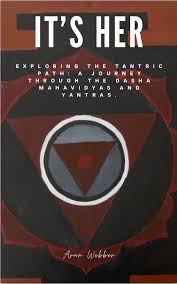
Kali yantra bags are available

Tantrik workshop with satyama





Leave a Reply