Overview of Verai Mata Temples
Verai Mata, a regional manifestation of the Mother Goddess, is revered across several villages in the western hills of India. Her temples serve as focal points for community worship, agricultural blessings, and seasonal festivals. While the deity’s origins are rooted in folk mythology, the temples blend indigenous stone work with later Hindu architectural influences.
Historical Background
The earliest inscriptions dating to the 12th century mention a shrine dedicated to “Vera Devi,” which scholars now identify as Verai Mata. Over successive centuries, local chieftains expanded the modest shrine into larger complexes, often adding mandapas and shikharas that echo the Nagara style.
Key points:
- First recorded reference in 1192 CE copperplate.
- Patronage by the Maratha sub‑clan of the Khandekar family.
- Integration of tribal rituals with mainstream Vaishnavism.
Architectural Features
Verai Mata temples are distinguished by three recurring elements:
- Stupa‑like base that symbolizes the earth’s fertility.
- A five‑tiered shikhara adorned with terracotta panels depicting local legends.
- An inner sanctum (garbhagriha) that houses a stone idol of Verai Mata holding a lotus and a pestle.
Many temples also contain a small kund where devotees perform ablutions before entering the shrine.
Major Verai Mata Temples
1. Shri Verai Mata Mandir, Khandi
Located atop a granite hill, this temple is famed for its sunrise ceremony during the harvest festival of Navratri. The surrounding forest is considered sacred, and pilgrims often circumnavigate the hill three times.
2. Verai Mata Temple, Bhilgaon
This site combines a wooden pavilion with stone carvings, reflecting the tribal origins of the worship. An annual “Pestle Dance” is performed by local women to honor the goddess’s role as a provider of sustenance.
3. Verai Mata Shakti Peetha, Malpur
Recognised as a Shakti Peetha, this temple houses a fragment of the goddess’s original stone idol, believed to have been brought from the ancient city of Kashi.
Rituals and Festivals
Daily worship includes abhisheka with milk, honey, and sandalwood paste, followed by the chanting of the “Verai Mata Stotra.” Major festivals are:
- Navratri – Nine nights of special poojas and community feasts.
- Harvest Pongal – Offerings of newly harvested grains are placed on the altar.
- Full‑Moon Bath – Devotees take a dip in the temple’s kund on every Purnima.
Visiting Tips
When planning a pilgrimage, keep these guidelines in mind:
- Dress modestly; shoulders and knees should be covered.
- Remove shoes before entering the sanctum.
- Participate respectfully in the prasad distribution; the offering typically includes sweet rice and jaggery.
- Local guides can provide deeper insight into the oral legends that are not recorded in texts.
Whether you are a scholar of regional deities or a pilgrim seeking the blessings of Verai Mata, the temples offer a living tapestry of history, art, and devotion that continues to thrive in contemporary India.
Frequently Asked Questions
Which festival is most closely associated with Verai Mata’s harvest blessings?
Harvest Pongal
What architectural element symbolizes earth’s fertility in Verai Mata temples?
Stupa‑like base
Which temple is recognized as a Shakti Peetha for Verai Mata?
Verai Mata Shakti Peetha, Malpur
Test Your Knowledge and Win Coupons to Get Discounts
Have a correction or improvement to suggest?
Log in or create a free accountRelated Videos

packing prasad to everyone who has contributed on srisailam havan.

Jogulamba Temple The Next Havan location 6th of 64

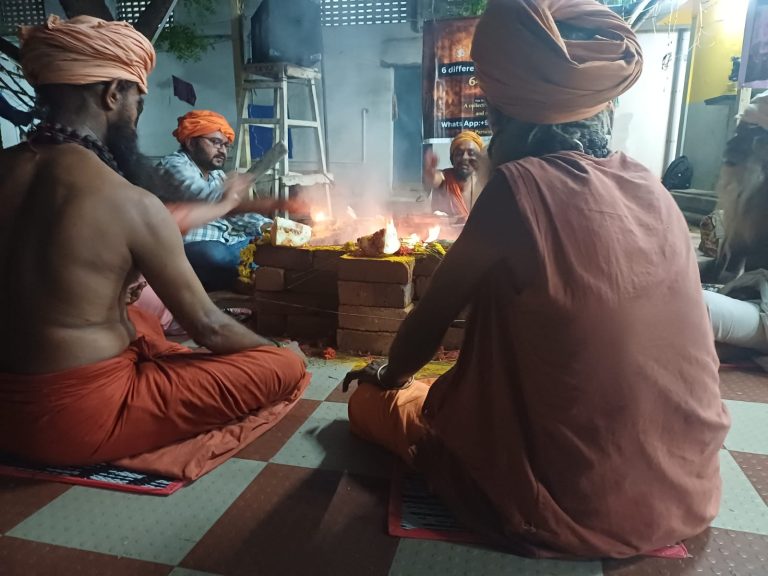
5th Havan of the 64 Shakti Peeth Havan — Srisailam

Fifth havan out of 64 in srisailam.

At India's largest tiger reserve getting ready for our fifth havan. all are welcome

Pvt group initiation into yoni mudra and tantra @mysore.

Kali yantra bags are available

Tantrik workshop with satyama




Leave a Reply