Introduction to Kapalika Literature
The Kapalika sect, often linked with fierce symbolism and esoteric rituals, left a rich literary legacy that continues to shape the broader Nath Sampradaya. While many popular accounts focus on the sect’s dramatic practices, its written works reveal a nuanced philosophical system that integrates tantra, yoga, and devotional poetry.
Historical Context and Evolution
Emerging around the 7th century CE, Kapalika monks travelled across the Indian subcontinent, establishing shrines near cremation grounds and riverbanks. Their itinerant lifestyle facilitated the exchange of ideas with Shaiva, Buddhist, and local tribal traditions. Over time, these interactions produced a corpus of texts that both codified ritual details and expounded metaphysical doctrines.
Primary Scriptures of the Kapalika School
- Kapalika Tantra: Often regarded as the foundational treatise, it outlines the theological basis for skull symbolism, the use of bhuta (spirits), and the role of the guru in transcending worldly attachments.
- Shri Siddha Siddhanta: A philosophical commentary that bridges Kapalika tantric concepts with the non‑dual teachings later embraced by the Nath yogis.
- Mahakala Purana: Though classified as a Purana, this work embeds Kapalika ritual instructions within mythic narratives, illustrating the deity Mahakala as the ultimate liberator.
- Vaitāna Tantra: This text expands on the use of mantras and yantras, providing detailed prescriptions for meditation on the skull and the five elements.
Commentaries and Later Works
By the 10th and 11th centuries, eminent scholars such as Gorakṣanātha and Matsyendranātha began to reference Kapalika literature in their own compositions. Their commentaries, especially the Gorakṣa‑Śataka, reinterpret the fierce imagery as symbols of inner transformation, thereby easing the integration of Kapalika ideas into mainstream Nath practice.
Influence on Nath Yogic Philosophy
Several core concepts of the Nath tradition—such as the emphasis on bodily austerities, the pursuit of sahaja‑siddhi (spontaneous perfection), and the reverence for the guru‑disciple bond—trace their intellectual lineage to Kapalika writings. The notion of embracing death as a catalyst for liberation, prominent in Kapalika texts, resonates with the Nath focus on conquering fear and attachment.
Preservation and Modern Study
Manuscripts of Kapalika literature are housed in libraries across India, Nepal, and Tibet. Recent scholarly projects employ digital imaging and comparative philology to make these texts accessible to a wider audience. Contemporary practitioners of the Nath Sampradaya often study these works to deepen their understanding of the sect’s original intent, moving beyond sensationalist portrayals.
Practical Takeaways for Modern Seekers
Readers interested in incorporating Kapalika wisdom into their practice should focus on three steps: first, study the primary scriptures with a qualified teacher; second, reflect on the symbolic meaning of skull and ash in meditation; and third, align the rigorous austerities described in the texts with the balanced lifestyle advocated by modern Nath masters.
Frequently Asked Questions
What is the main purpose of the Kapalika Tantra?
It establishes the theological framework for Kapalika rituals and symbolism.
Which Nath guru is known for integrating Kapalika ideas into his teachings?
Gorakṣanātha
How do modern scholars preserve Kapalika manuscripts?
Through digital imaging and collaborative research projects
What symbol does the Kapalika tradition use to represent impermanence?
The human skull
Test Your Knowledge and Win Coupons to Get Discounts
Have a correction or improvement to suggest?
Log in or create a free accountRelated Videos

#18 @pasupathi nath temple. @nepal kathmandu. Travel vlog -18

Yantras are abstract philosophical ideas I would recommend you to do dus vidya sadhana with Yantras.

#117 Sri Sugar Brahmarishi. Sheshadri asrm @thiruvannamalai

#124 Sri Gowthamar Maharishi. Sheshadri asrm @thiruvannamalai

#121 Sri Athri Maharshi. Sheshadri asrm @thiruvannamalai
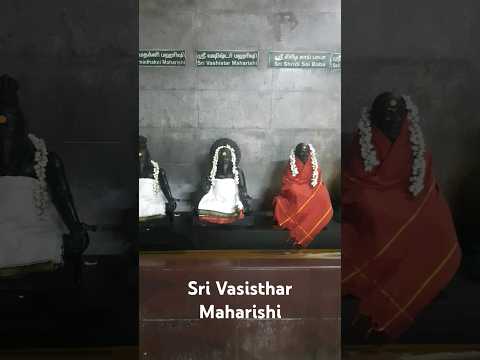
#125 Sri vasisthar maharishi. Sheshadri asrm @thiruvannamalai

Tara The Fierce deity who consume meat and alcohol.

Mystical Wisdom And An Introduction to Kundalini Yoga (Zoom Workshop)







Leave a Reply