Historical Roots of Siddhivinayak at Siddhatek
Siddhivinayak, a manifestation of Lord Ganesha, has been venerated at Siddhatek since the early medieval period. Inscriptions dating back to the 10th century CE reference a shrine dedicated to the elephant‑headed god on the banks of the Bhima River. Scholars link the site to the Yadava dynasty, which promoted Ganesha worship as a protector of trade routes crossing the Deccan plateau.
Legend of the Elephant‑Headed Deity
The most popular myth tells of a young sage named Kapila who, while meditating near the river, was plagued by a ferocious serpent. Ganesha intervened, slaying the serpent and leaving his own broken tusk at the spot. The sage enshrined the tusk, and the deity that emerged became known as Siddhivinayak, the “giver of success.” This story underscores the deity’s role as a remover of obstacles, a theme echoed throughout the region’s folk traditions.
Architectural Features and Symbolism
The present temple, rebuilt in the 18th century under Peshwa patronage, showcases a blend of Maratha and Hemadpanti styles. The sanctum houses a self‑manifested (swayambhu) idol, slightly tilted to the left, which locals interpret as a sign of humility. Surrounding the main shrine are subsidiary shrines for Shree Ganapati’s consorts, each adorned with intricate stone carvings of mango leaves, lotus petals, and celestial motifs.
Key Rituals Observed at Siddhatek
Devotees perform several rites that distinguish Siddhatek from other Ganesha sites:
- Pradakshina – a clockwise circumambulation around the riverbank, believed to amplify the blessings of Siddhivinayak.
- Modak Offering – sweet dumplings shaped like the deity’s belly are distributed after the noon aarti.
- Ganesh Chaturthi – the temple hosts a 10‑day celebration featuring traditional drumming, folk dances, and a midnight “visarjan” of a specially crafted idol.
Modern Pilgrimage and Visitor Guidance
Today, Siddhatek attracts thousands of pilgrims from Maharashtra, Karnataka, and beyond. The best time to visit is during the monsoon months of July and August, when the river swells and the surrounding hills turn verdant. For first‑time visitors, the following tips are useful:
- Arrive early on weekdays to avoid the weekend crowd.
- Wear modest clothing; shoes must be removed before entering the sanctum.
- Carry a small bottle of water; vending facilities are limited inside the temple complex.
Local authorities have recently introduced a digital ticketing system that limits daily entries to 5,000, ensuring a smoother experience for worshippers while preserving the site’s heritage.
Why Siddhivinayak Remains Relevant
Beyond its historical and architectural appeal, Siddhivinayak at Siddhatek continues to inspire contemporary spiritual seekers. The deity’s association with overcoming obstacles resonates with modern professionals facing career challenges, students preparing for examinations, and entrepreneurs launching new ventures. Annual workshops on “Ganesh Meditation” are held at the nearby ashram, blending ancient chants with mindfulness techniques.
In summary, Siddhivinayak at Siddhatek offers a rich tapestry of myth, art, and living tradition. Whether you are a historian, a pilgrim, or a curious traveler, the temple provides a tangible connection to the enduring spirit of Ganesha.
Frequently Asked Questions
What is the primary legend associated with Siddhivinayak at Siddhatek?
It tells of sage Kapila, a serpent, and Ganesha breaking his tusk to protect the sage, leading to the establishment of the shrine.
When was the current Siddhivinayak temple structure rebuilt?
In the 18th century, under Peshwa patronage.
Which festival features a 10‑day celebration at Siddhatek?
Ganesh Chaturthi.
What unique offering is distributed after the noon aarti?
Modak, a sweet dumpling shaped like Ganesha’s belly.
What modern facility has been introduced to manage visitor flow?
A digital ticketing system limiting daily entries.
Test Your Knowledge and Win Coupons to Get Discounts
Have a correction or improvement to suggest?
Log in or create a free accountRelated Videos

packing prasad to everyone who has contributed on srisailam havan.

Jogulamba Temple The Next Havan location 6th of 64

5th Havan of the 64 Shakti Peeth Havan — Srisailam

Fifth havan out of 64 in srisailam.

At India's largest tiger reserve getting ready for our fifth havan. all are welcome

Pvt group initiation into yoni mudra and tantra @mysore.

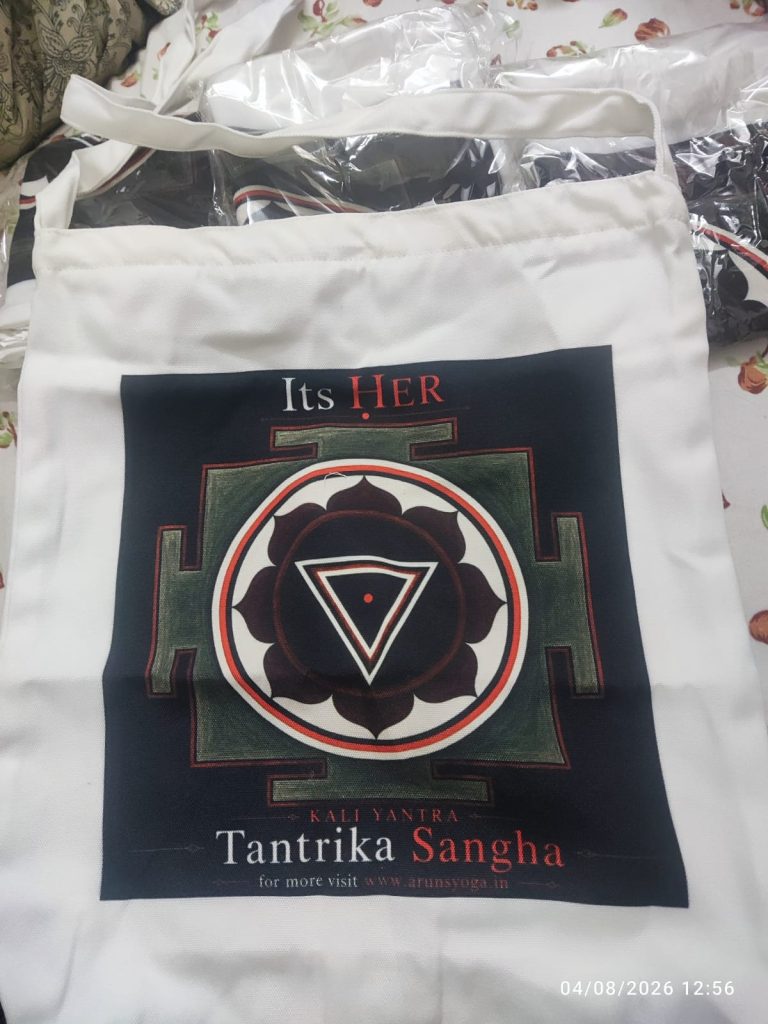
Kali yantra bags are available

Tantrik workshop with satyama







Leave a Reply