Overview of Sitala Devi
Sitala Devi, often called the Fever Goddess, holds a special place in the eastern regions of the Indian subcontinent. While she is known across India, her worship in Bengal, Assam, and parts of Nepal displays distinct customs that blend folk practice with classical Hindu theology.
Mythic Origins and Iconography
Legends describe Sitala as a compassionate mother who descends to Earth whenever communities suffer from epidemics. She is usually depicted as a young woman holding a pot of water, a symbolic antidote to heat and disease. In many villages, the idol is crafted from clay or terracotta, emphasizing her connection to the earth and the common people.
Key Symbols
- Water pot (Kalash) – represents cooling and purification.
- White garments – signify purity and the absence of fever.
- Seven colored threads tied around the wrist – each color corresponds to a specific type of illness.
Ritual Practices in the East
Eastern devotees observe a set of rituals that differ from the more Sanskritic worship found elsewhere. The most prominent ceremony is the Satyanarayan Puja dedicated to Sitala during the month of Jyeshtha. Families gather at a communal space, often an open courtyard, and offer rice, sweets, and a bowl of cool water.
During the puja, a priest recites verses from the Sitala Stotra, a regional hymn praising her healing powers. Participants also perform a simple dance called the Ghuri, where they spin clockwise to symbolize the turning away of disease.
Special Observances
- Keeping a small earthen lamp lit throughout the night of the ceremony.
- Distributing blessed rice (prasad) to neighbors to spread goodwill and health.
- Women wearing a single red thread on the right wrist as a protective talisman.
Healing Beliefs and Modern Perspective
While modern medicine attributes fever to pathogens, many eastern communities still turn to Sitala for immediate comfort. The belief is that invoking her presence reduces the intensity of the fever, allowing the body’s natural defenses to act more efficiently.
Studies conducted in rural Bengal have shown that families who combine Sitala worship with timely medical intervention experience lower anxiety levels and better adherence to treatment protocols. This synergy demonstrates how traditional faith can complement contemporary healthcare.
Community Impact
Beyond individual health, Sitala festivals reinforce social cohesion. By sharing food and performing collective prayers, villages create a support network that can mobilize resources during outbreaks. The goddess thus serves both a spiritual and a socio‑economic function.
How to Honor Sitala in Your Home
If you wish to incorporate Sitala worship into your personal practice, start with a small altar made of clean clay or a simple wooden platform. Place a fresh pot of water, a white cloth, and a small image or photograph of the goddess. Offer a handful of rice and a few drops of rose water each morning, reciting a short mantra such as:
“Om Sitala Devi, protect us from heat, grant us cool breath and steady beat.”
Regularly cleaning the altar and refreshing the water keeps the space energetically active, according to tradition.
Frequently Asked Questions
What is the primary symbol associated with Sitala Devi?
The water pot (Kalash) representing cooling and purification.
During which month is the main Sitala puja celebrated in eastern India?
Jyeshtha.
What protective item do women often wear during Sitala festivals?
A single red thread on the right wrist.
Test Your Knowledge and Win Coupons to Get Discounts
Have a correction or improvement to suggest?
Log in or create a free accountRelated Videos

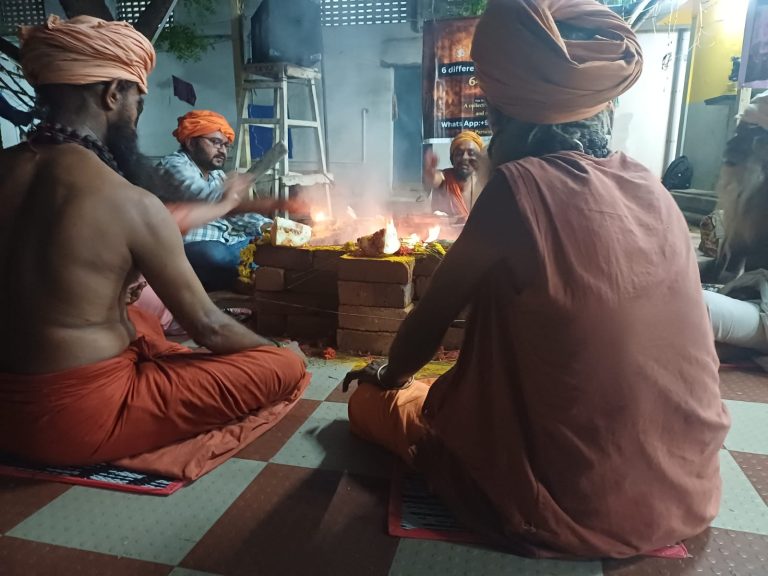
packing prasad to everyone who has contributed on srisailam havan.

Jogulamba Temple The Next Havan location 6th of 64

5th Havan of the 64 Shakti Peeth Havan — Srisailam

Fifth havan out of 64 in srisailam.

At India's largest tiger reserve getting ready for our fifth havan. all are welcome

Pvt group initiation into yoni mudra and tantra @mysore.

Kali yantra bags are available

Tantrik workshop with satyama







Leave a Reply