Guna of Punarvasu
This sattvic influence is traditionally associated with the qualities of clarity and optimism, as noted in texts like the Bhagavad Gita (Chapter 14, Verse 6), which discusses the nature of Sattva.
Dominant Sattva and Its Expressions
The dominance of Sattva does not mean that Punarvasu people are always passive; rather, it fuels a balanced drive to pursue knowledge, spiritual growth, and service. Their thoughts tend to be clear, their speech gentle yet persuasive, and their actions aligned with higher ideals. This sattvic base is the foundation for the nakshatra’s reputation for generosity and for the capacity to rebound quickly after setbacks.
Tatva (Elemental Basis)
The combination of Air and Fire elements in Vedic astrology is traditionally understood to promote qualities like intellect and action, as discussed in texts like the Brihat Parashara Hora Shastra.
Air and Fire in Daily Life
When the Air element is prominent, these individuals are articulate, curious, and socially adept. The Fire component adds a spark of ambition, prompting them to pursue goals with enthusiasm. However, the fire can also generate impatience if not moderated by the calming influence of Air. Understanding this blend helps practitioners advise Punarvasu natives on balancing contemplation with decisive action.
Shakti (Innate Power)
Punarvasu is often linked to the creative potential seen in various texts, including the Vishnu Purana, which emphasizes the nurturing aspect of Aditi, the deity associated with this nakshatra.
Creative Expansion in Practice
People born under Punarvasu tend to flourish in artistic pursuits, entrepreneurship, and humanitarian projects. Their shakti drives them to nurture projects from inception to fruition, often inspiring others along the way. When aligned with their sattvic nature, this creative force becomes a stabilizing influence that guides them toward purposeful, uplifting endeavors.
Dosha (Potential Challenges)
Every nakshatra carries a dosha, or shadow aspect, and for Punarvasu it manifests as restlessness and over‑optimism. The strong sattvic and fire energies can sometimes lead to a tendency to overlook practical details, assuming that positive outcomes will automatically materialize. This can result in scattered efforts, unfinished projects, or an unrealistic expectation that challenges will simply dissolve.
Restlessness and Over‑Optimism Explained
When the dosha surfaces, Punarvasu natives may jump from one venture to another without consolidating earlier gains. They might also dismiss constructive criticism, believing that their positive attitude alone can correct any misstep. Awareness of this dosha encourages disciplined grounding practices such as meditation, journaling, or consulting trusted mentors to temper the impulsive streak.
Practical Applications
Astrologers can use the knowledge of Punarvasu’s guna, tatva, shakti and dosha to offer tailored guidance. For career counseling, emphasizing roles that blend communication and leadership—such as teaching, counseling, or project management—aligns with the Air‑Fire mix. Spiritual practices that enhance sattva, like mantra chanting or service (seva), reinforce the nakshatra’s natural strengths while mitigating its dosha. Ultimately, recognizing these energetic layers empowers individuals to harness their innate gifts responsibly.
Frequently Asked Questions
What is the dominant guna of Punarvasu Nakshatra?
Sattva
Which two tatvas combine in Punarvasu?
Air and Fire
What is the primary shakti associated with Punarvasu?
Creative expansion
What dosha can affect Punarvasu natives?
Restlessness and over‑optimism
Real-Life Applications of Punarvasu Traits
An example of a Punarvasu native is the renowned Indian artist and social activist, who channels their creative expansion into community projects, demonstrating the nakshatra’s shakti in action.
Historical Significance of Punarvasu
Punarvasu has been referenced in various ancient texts, including the Mahabharata, where it is associated with the themes of renewal and protection, as seen in the character of Aditi, who symbolizes nurturing and abundance.
Test Your Knowledge and Win Coupons to Get Discounts
Have a correction or improvement to suggest?
Log in or create a free accountRelated Videos

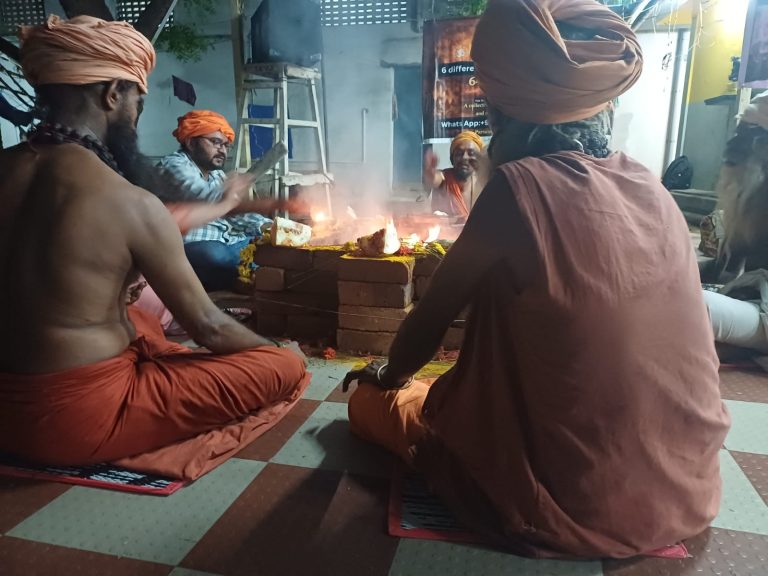
navaratri havan 9 th day ending with poornavathi devi sidhidatri.

Navaratri havan day 8 gauri.

Navaratri havan day 7 devi kalaratri.

6th day navaratri havan devi karthyayini.

Navaratri havan day 5 skandamata.

Navaratri havan day 4 devi kushmanda.

Day 3 havan devi chamdrakanta

Navaratri second day havan in mysore devi brahmacharini








Leave a Reply