Introduction to Purva Phalguni in Classical Astrology
While modern interpretations often focus on psychological traits, traditional texts emphasize the nakshatra’s role in rituals and its auspicious timing for various activities, as outlined in classical astrology.
Key Ancient Sources that Mention Purva Phalguni
Several foundational works reference this nakshatra explicitly:
- Rig‑Veda – verses to Bhaga describe the generous nature of the star.
- Satapatha Brahmana – outlines the sacrificial rites associated with the nakshatra’s time.
- Jataka Parijata (by Vaidyanatha) – offers a detailed description of planetary influences.
- Brihat Parashara Hora Shastra – Parashara’s classic rules for moon placement.
- Phaladeepika – Suryadeva’s practical guidelines for marriage and career.
Interpretations by Classical Astrologers
While the core symbolism stays constant, commentators vary in emphasis:
Parashara’s View
Parashara treats Purva Phalguni as a benefic nakshatra, especially for matters of wealth, progeny and social harmony. He notes that planets placed here confer a love for hospitality and artistic expression.
Varahamihira’s Take (Brihat Jataka)
Varahamihira highlights the nakshatra’s dual nature: the first half (Pada 1) favors material success, while the second half (Pada 2) leans toward spiritual generosity. He warns against excess indulgence when malefic planets occupy the sector.
Kalidasa’s Poetic Reference
In his epic poetry, Kalidasa evokes Purva Phalguni as a time of blossoming love, linking it to seasonal festivals and the harvest of mangoes, reinforcing the agricultural roots of the symbol.
Symbolic Elements and Their Classical Meaning
The traditional symbols – a two‑handed bed or front‑facing twins – reflect the nakshatra’s focus on partnership, comfort and shared resources. The associated yoni (female principle) is the Rat, signifying adaptability and quickness in gathering wealth.
In the Vedic framework, the Gana of Purva Phalguni is Shura (heroic), indicating a courageous approach to pleasure and generosity. Its elemental affiliation is Agni (fire), reinforcing the spark of creativity and the warmth of hospitality.
Practical Applications from Traditional Sources
Classical manuals suggest specific remedies and timing:
- Perform Bhaga puja on Fridays during the nakshatra’s rise to enhance financial prospects.
- Use the herb Shankhapushpi in meditation to balance the excess of sensory enjoyment.
- When the moon occupies Purva Phalguni at birth, schedule major life events (marriage, house‑warming) during its Uttara Phalguni counterpart for reinforced auspiciousness.
Conclusion: Why Classical Insight Matters
Understanding Purva Phalguni through its ancient texts and commentaries adds depth beyond modern personality descriptions. It reminds the practitioner that the nakshatra is a conduit for both material abundance and the ethical responsibility that comes with generosity. By aligning modern practice with these time‑tested teachings, astrologers can offer guidance that honors tradition while serving contemporary seekers.
Frequently Asked Questions
Which Vedic deity is primarily associated with Purva Phalguni?
Bhaga
What is the elemental affiliation of Purva Phalguni in classical astrology?
Fire
Which ancient text provides detailed planetary rules for Purva Phalguni?
Brihat Parashara Hora Shastra
According to Varahamihira, what does the second pada of Purva Phalguni emphasize?
Spiritual generosity
Rituals for Enhancing Wealth during Purva Phalguni
Performing a Bhaga puja on Fridays during the rise of Purva Phalguni is traditionally believed to enhance financial prospects. This ritual is rooted in ancient texts that emphasize the auspiciousness of this nakshatra for wealth and prosperity.
Cultural Significance of Purva Phalguni
In various regional traditions, Purva Phalguni is celebrated during harvest festivals, symbolizing abundance and joy. Its association with the deity Bhaga highlights the importance of generosity and sharing during these times.
Test Your Knowledge and Win Coupons to Get Discounts
Have a correction or improvement to suggest?
Log in or create a free accountRelated Videos

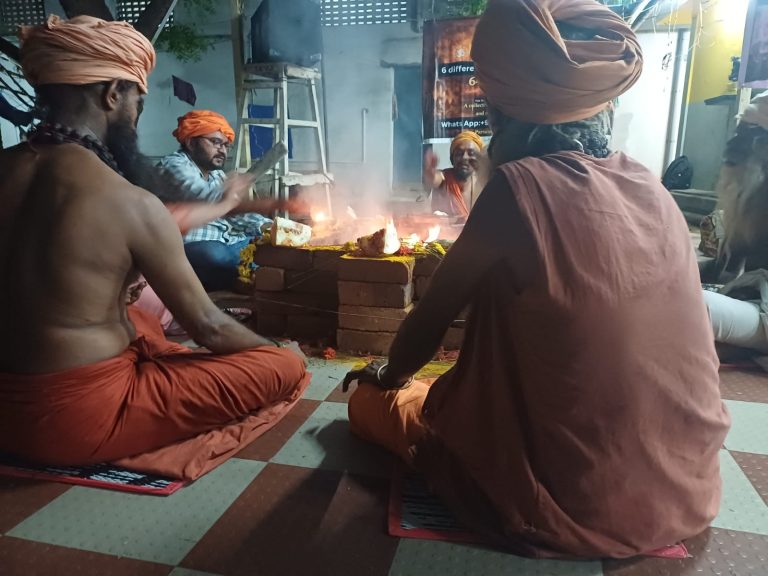
navaratri havan 9 th day ending with poornavathi devi sidhidatri.

Navaratri havan day 8 gauri.

Navaratri havan day 7 devi kalaratri.

6th day navaratri havan devi karthyayini.

Navaratri havan day 5 skandamata.

Navaratri havan day 4 devi kushmanda.

Day 3 havan devi chamdrakanta

Navaratri second day havan in mysore devi brahmacharini










Leave a Reply