Classical Scriptures Mentioning Purva Bhadrapada
Purva Bhadrapada, the eighteenth nakshatra of the Vedic sky, enjoys a rich literary pedigree. Its meaning is drawn directly from several foundational works of Jyotisha, each offering a slightly different hue of interpretation. The most frequently cited sources are Brihat Parashara Hora Shastra, Jataka Parijata, Saravali, and the commentarial tradition surrounding these texts.
Brihat Parashara Hora Shastra
Parashara’s magnum opus provides the earliest systematic description of the eighteen nakshatras. In Chapter 2, Verse 19, he identifies Purva Bhadrapada as the “head of the horse” and assigns it to the deity Ajaikapada, the one‑footed sage. Parashara links this nakshatra with the element of air and the quality of rajas, emphasizing its dynamic, investigative nature.
Jataka Parijata
The Jataka Parijata, authored by Vaidyanatha Dikshita, expands on the symbolism. It describes the two‑headed horse as a sign of duality – the capacity to see both material and spiritual dimensions. The text also notes that planets placed in Purva Bhadrapada tend to bring “sudden insights” and a propensity for transformation through crisis.
Saravali
>
Varahamihira’s Saravali adds a medicinal layer, stating that this nakshatra governs the nervous system and the brain. It recommends herbal remedies derived from the Ficus religiosa tree for individuals whose Moon occupies Purva Bhadrapada, suggesting a direct link between the nakshatra’s symbolism and physical health.
Traditional Interpretations and Symbolic Layers
Beyond the raw verses, classical commentators such as Govindasuri and Kalidasa have offered nuanced readings. They emphasize three recurring motifs:
- Dual Head – representing the split between worldly ambition and spiritual yearning.
- Ajaikapada – the deity who stands on one foot, signifying stability achieved through focused meditation.
- Water‑Fire Balance – although the nakshatra is classified under the element of air, its mythic association with the horse’s “thirst for water” introduces an inner fire that fuels transformation.
Mythic Origin
According to the Purana narratives, Ajaikapada performed intense tapas on the banks of the river Ganga. His single foot represents the unwavering focus required to pierce the veil of illusion. The two heads of the horse symbolize the simultaneous pursuit of knowledge (head one) and the practical application of that knowledge (head two).
Impact on Life Themes
Astrologers traditionally associate Purva Bhadrapada with periods of sudden change. When the Moon, Sun, or Ascendant falls in this nakshatra, the native often experiences a “breakthrough” after a phase of stagnation. This aligns with the ancient warning in Parashara that “the horse’s gallop is swift, but its direction must be guided by the rider.”
How Ancient Sources Guide Modern Practice
Modern practitioners can draw practical tools from these texts:
- Use the horse’s duality as a meditation focus to balance career ambitions with spiritual growth.
- Invoke Ajaikapada in rituals aimed at strengthening concentration and perseverance.
- Apply the herbal suggestions from Saravali for nervous‑system support during high‑stress transits.
By respecting the original language and context of the classical works, contemporary astrology retains its depth while remaining relevant to today’s seekers.
Frequently Asked Questions
Which Vedic scripture first classifies Purva Bhadrapada under the element of air?
Brihat Parashara Hora Shastra
What is the primary deity associated with Purva Bhadrapada?
Ajaikapada
According to Saravali, which part of the body does Purva Bhadrapada govern?
Nervous system and brain
What symbolic meaning does the two‑headed horse represent?
Duality of material and spiritual pursuits
Test Your Knowledge and Win Coupons to Get Discounts
Have a correction or improvement to suggest?
Log in or create a free accountRelated Videos

packing prasad to everyone who has contributed on srisailam havan.

Jogulamba Temple The Next Havan location 6th of 64

5th Havan of the 64 Shakti Peeth Havan — Srisailam

Fifth havan out of 64 in srisailam.

At India's largest tiger reserve getting ready for our fifth havan. all are welcome

Pvt group initiation into yoni mudra and tantra @mysore.

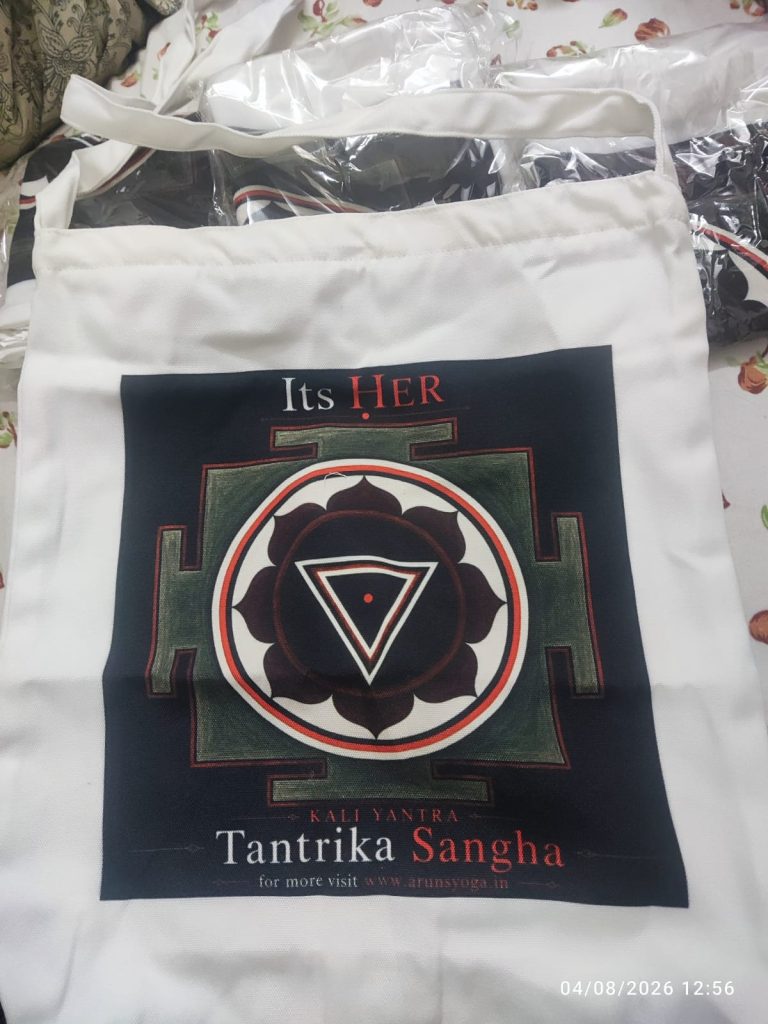
Kali yantra bags are available

Tantrik workshop with satyama


Leave a Reply