Introduction
Jyotiba and Khandoba are two prominent folk deities of western India, especially in the Maharashtra‑Kolhapur region. Though both are worshipped as warrior‑protectors, their mythic lineages, iconography, and ritual calendars reveal distinct cultural layers.
Mythic Origins
Jyotiba’s Birth Narrative
According to local legends, Jyotiba was born to the sage Jyeshtha and his wife Vijaya after a divine intervention by the sun god Surya. The child emerged from a luminous flame, symbolising Jyoti – light – which later became his primary epithet.
Khandoba’s Ancestral Roots
Khandoba, also known as Martanda or Malhari Martand, traces his lineage to the god Shiva, incarnating as a pastoral hero who rode a horse to defend cattle from demons. His myth intertwines Shaivite theology with tribal motifs, especially the worship of the bull Shiva’s Nandi.
Iconography and Symbolic Themes
Both deities are depicted astride a horse, yet the details differ. Jyotiba’s statue often bears a flaming torch and a trident, emphasizing his role as a luminous warrior. Khandoba is shown with a spear and a drum, highlighting his martial vigor and his connection to folk music.
- Jyotiba: torch, trident, saffron robe
- Khandoba: spear, drum, red shawl
Ritual Practices and Festivals
Their festivals share communal feasting but diverge in narrative focus. Jyotiba Yatra celebrates his victory over the demon Mahishasura with fire‑walking rites. In contrast, Khandoba’s Champa Shashti reenacts his battle against Ravana, featuring horse races and folk dances.
Regional Influence on Worship
Geography shapes each cult. The hill‑top shrine of Jyotiba near Kolhapur draws pilgrims who climb steep paths, symbolising the ascent toward inner light. Khandoba’s temples are often situated near villages, integrating agrarian cycles and the seasonal calendar.
Comparative Themes
While both deities protect cattle and uphold dharma, Jyotiba emphasizes illumination and purification, whereas Khandoba underscores fertility and martial prowess. Their stories illustrate how Hindu mythology adapts to local needs, merging pan‑Indian gods with regional heroes.
Understanding these nuances helps devotees appreciate the layered tapestry of Indian folk religion, where myth, environment, and community intersect.
Literary Sources and Oral Traditions
Jyotiba’s tale is recorded in the Jyotiba Purana, a 17th‑century manuscript that blends Vedic motifs with local folklore. Khandoba’s exploits appear in the Malhari Martand Charitra, a Marathi ballad sung by wandering bards (gondas). Both texts rely heavily on oral transmission, resulting in multiple regional variants.
Contemporary Relevance
Modern devotees invoke Jyotiba for clarity during exams and Khandoba for protection in agricultural ventures. Youth groups in Pune organize “light walks” during Jyotiba’s festival, while Khandoba’s fairs feature contemporary music stages, showing how ancient myths adapt to urban contexts.
Frequently Asked Questions
What is the primary symbol associated with Jyotiba?
A flaming torch
How does Khandoba differ from traditional Shiva worship?
He is depicted as a pastoral warrior with a spear
Which festival features fire‑walking for Jyotiba?
Jyotiba Yatra
Where are the main pilgrimage sites for each deity?
Jyotiba’s hill‑top shrine near Kolhapur and Khandoba’s village temples across Maharashtra
Test Your Knowledge and Win Coupons to Get Discounts
Have a correction or improvement to suggest?
Log in or create a free accountRelated Videos

packing prasad to everyone who has contributed on srisailam havan.

Jogulamba Temple The Next Havan location 6th of 64

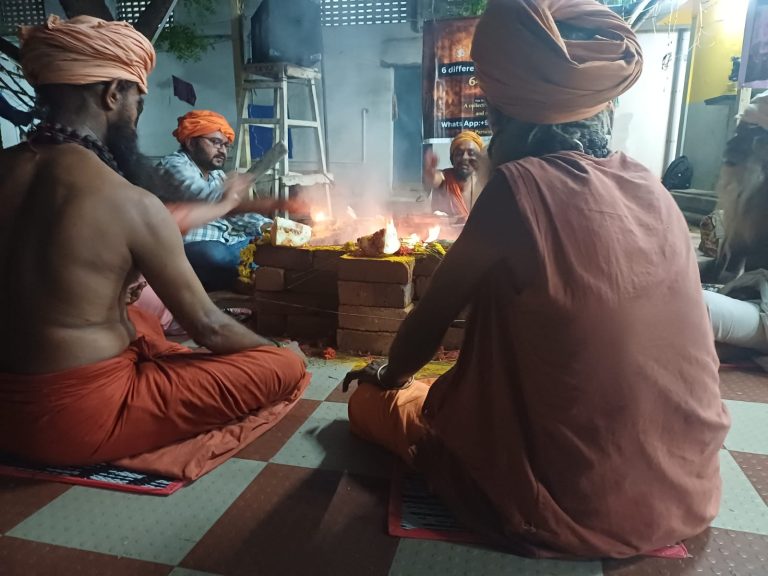
5th Havan of the 64 Shakti Peeth Havan — Srisailam

Fifth havan out of 64 in srisailam.

At India's largest tiger reserve getting ready for our fifth havan. all are welcome

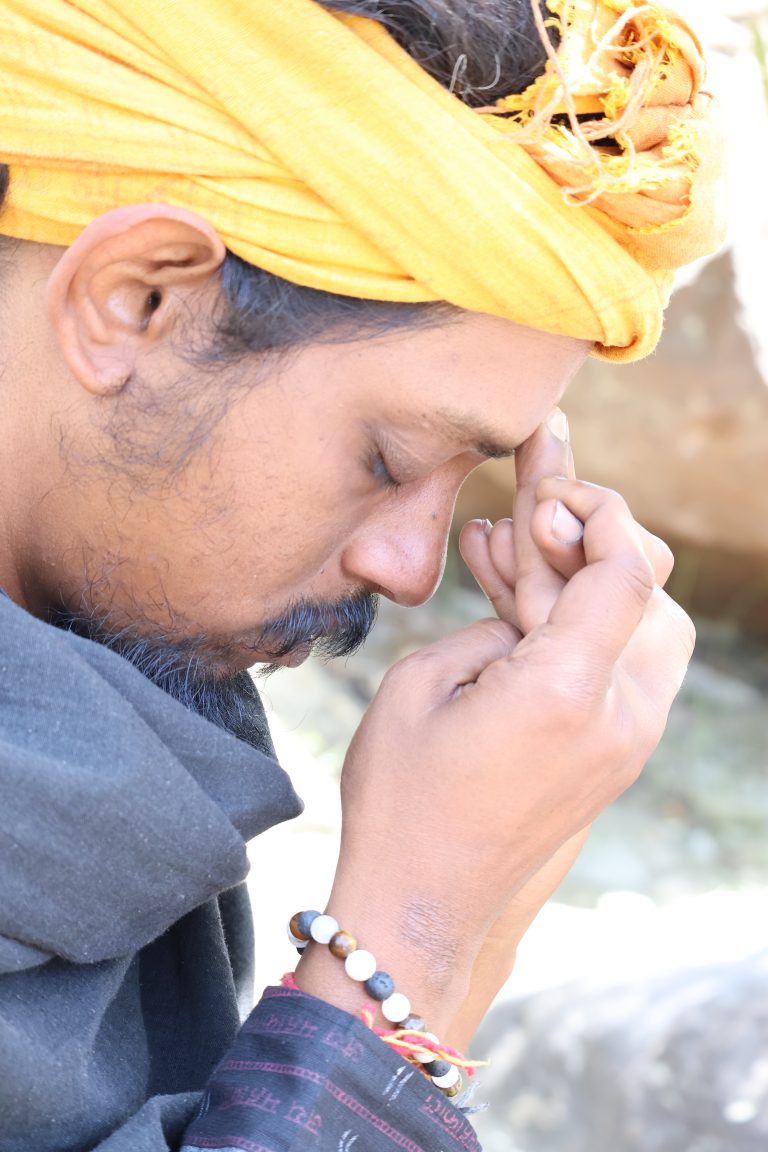
Pvt group initiation into yoni mudra and tantra @mysore.

Kali yantra bags are available

Tantrik workshop with satyama






Leave a Reply