Background of the Two Heroes
Subhadra, the younger sister of Lord Krishna and Balarama, belongs to the Yadava clan of Vrindavan. Though she appears briefly in the epic, her lineage links the Pandavas to the powerful Yadavas, creating a bridge between two major dynastic families.
Arjuna, the third Pandava, is celebrated for his mastery of the bow, his role as a key warrior in the Kurukshetra war, and his deep devotion to Lord Krishna. His marriage to Subhadra is not merely a personal union but a strategic alliance that influences the political landscape of the epic.
The Divine Prelude
According to the Mahabharata, Krishna encouraged Arjuna to elope with Subhadra during the Pandavas’ exile. The plan was devised to avoid any objections from their families, especially since Subhadra was already betrothed to the mighty hero Duryodhana in some regional retellings. Krishna’s involvement underscores the divine orchestration behind the marriage.
Krishna’s Role as Mentor
Krishna not only facilitated the secret meeting but also guided Arjuna on the proper conduct of a Vedic marriage. He instructed Arjuna to perform the kanyadaan and the saptapadi rites, ensuring the ceremony adhered to dharma.
The Elopement and Ceremony
Arjuna traveled to Dvaraka under the pretense of a pilgrimage. There, he met Subhadra in the palace gardens, where they exchanged vows. The marriage ceremony was performed quickly, with Krishna and Balarama acting as witnesses. The Vedic rituals were observed, including the lighting of the sacred fire and the exchange of garlands.
Key Rituals Highlighted
- Exchange of garlands (Mala Dharana)
- Seven steps together around the fire (Saptapadi)
- Pronouncement of lifelong partnership by Krishna
Political Implications
The union fortified an alliance between the Pandavas and the Yadavas, providing the Pandavas with crucial support during the forthcoming war. It also ensured that Krishna could act as a neutral arbiter, guiding the Pandavas without appearing partisan.
Moreover, the marriage cemented the familial bond that later allowed Krishna to serve as Arjuna’s charioteer and spiritual guide on the battlefield, delivering the Bhagavad Gita.
Aftermath and Legacy
Subhadra and Arjuna’s son, Abhimanyu, became a legendary figure whose valor at Kurukshetra is celebrated across generations. Their lineage continued through Parikshit, who restored the Kuru dynasty after the war, highlighting the enduring impact of their marriage.
In temple art and classical literature, their wedding is often depicted as a harmonious convergence of love, duty, and divine will, illustrating how personal relationships can shape the course of history.
Frequently Asked Questions
Why did Krishna arrange the marriage between Subhadra and Arjuna?
Krishna wanted to strengthen the alliance between the Pandavas and the Yadava clan while ensuring the marriage adhered to dharma.
What primary Vedic rituals were performed during their wedding?
The exchange of garlands, the seven steps around the sacred fire, and the declaration of lifelong partnership.
How did the marriage affect the outcome of the Mahabharata war?
It secured Yadava support for the Pandavas, giving them strategic and moral backing during the conflict.
Who was the most famous child of Subhadra and Arjuna?
Abhimanyu, whose bravery is celebrated in the epic.
Test Your Knowledge and Win Coupons to Get Discounts
Have a correction or improvement to suggest?
Log in or create a free accountRelated Videos

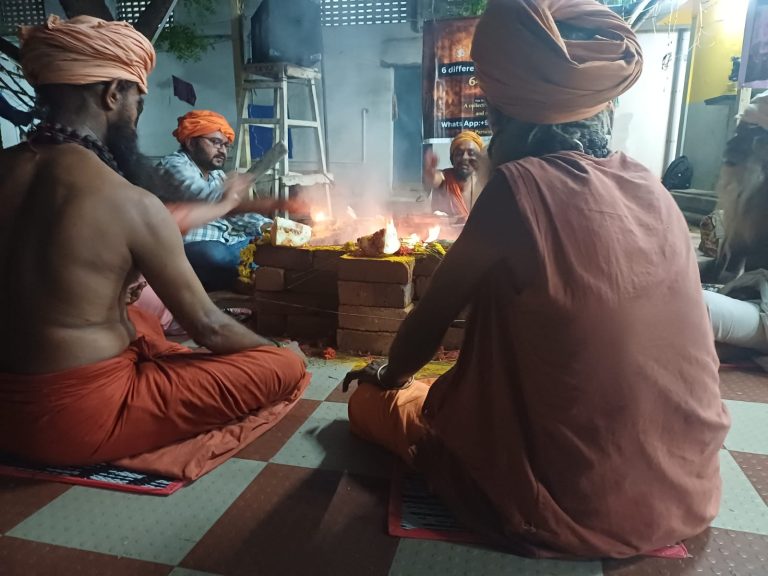
packing prasad to everyone who has contributed on srisailam havan.

Jogulamba Temple The Next Havan location 6th of 64

5th Havan of the 64 Shakti Peeth Havan — Srisailam

Fifth havan out of 64 in srisailam.

At India's largest tiger reserve getting ready for our fifth havan. all are welcome

Pvt group initiation into yoni mudra and tantra @mysore.

Kali yantra bags are available

Tantrik workshop with satyama






Leave a Reply