What Is Chakravakasana?
Chakravakasana, commonly known as the Bird‑Dog Pose, is a kneeling balance pose that challenges the core, hips, and shoulders while encouraging coordinated movement and spinal awareness.
Key Benefits
Practicing this pose regularly can:
- Strengthen the deep abdominal and back muscles that support the spine.
- Improve balance and proprioception by training opposite limbs to move together.
- Enhance hip stability, which is valuable for athletes and everyday movement.
- Promote mindful breathing and mental focus, reducing stress.
How to Perform Chakravakasana
Step‑by‑Step Instructions
1. Begin on all fours with wrists under shoulders and knees under hips.
2. Engage your core and draw your belly button toward your spine.
3. Inhale, lift your right arm forward and left leg back, keeping both parallel to the floor. Keep hips level.
4. Gaze down or slightly forward, maintaining a neutral neck.
5. Hold for 5‑10 breaths, then exhale and return to start.
6. Repeat on the opposite side.
Alignment Tips
- Keep the pelvis neutral; avoid arching or sinking.
- Ensure the lifted arm and leg are in line with the torso, not splayed outward.
- Maintain even weight distribution between hand and knee.
Common Mistakes and How to Fix Them
Hip Drop: If the hip on the grounded side lowers, engage the glute of the lifted leg and draw the opposite hip up.
Rounding the Back: Lengthen through the crown of the head and gently press the chest forward to keep the spine neutral.
Holding Breath: Sync movement with inhalation and exhalation; breath should stay smooth and steady.
Modifications for All Levels
Beginners can keep the lifted leg bent, or place a yoga block under the hand for extra stability. Advanced practitioners may add a knee‑to‑elbow touch or extend the hold longer to increase intensity.
Why Include Bird‑Dog in Your Routine?
Because it targets the core without compressing the spine, Chakravakasana is safe for most people, from rehab patients to athletes seeking functional strength. Incorporate it into warm‑ups, strength circuits, or cool‑downs for a well‑rounded practice.
Frequently Asked Questions
Can Chakravakasana be practiced by beginners?
Yes, it can be modified with bent knees or a block to make it accessible for new practitioners.
What part of the body does the Bird‑Dog pose primarily strengthen?
It mainly targets the core muscles, including the transverse abdominis and multifidus.
Is it safe to do Chakravakasana during pregnancy?
Generally it is safe, but pregnant individuals should keep the spine neutral and avoid excessive lumbar extension.
How long should you hold each side of the pose?
Aim for 5 to 10 deep breaths, gradually increasing the duration as strength improves.
Test Your Knowledge and Win Coupons to Get Discounts
Have a correction or improvement to suggest?
Log in or create a free accountRelated Videos

packing prasad to everyone who has contributed on srisailam havan.

Jogulamba Temple The Next Havan location 6th of 64

5th Havan of the 64 Shakti Peeth Havan — Srisailam

Fifth havan out of 64 in srisailam.

At India's largest tiger reserve getting ready for our fifth havan. all are welcome

Pvt group initiation into yoni mudra and tantra @mysore.

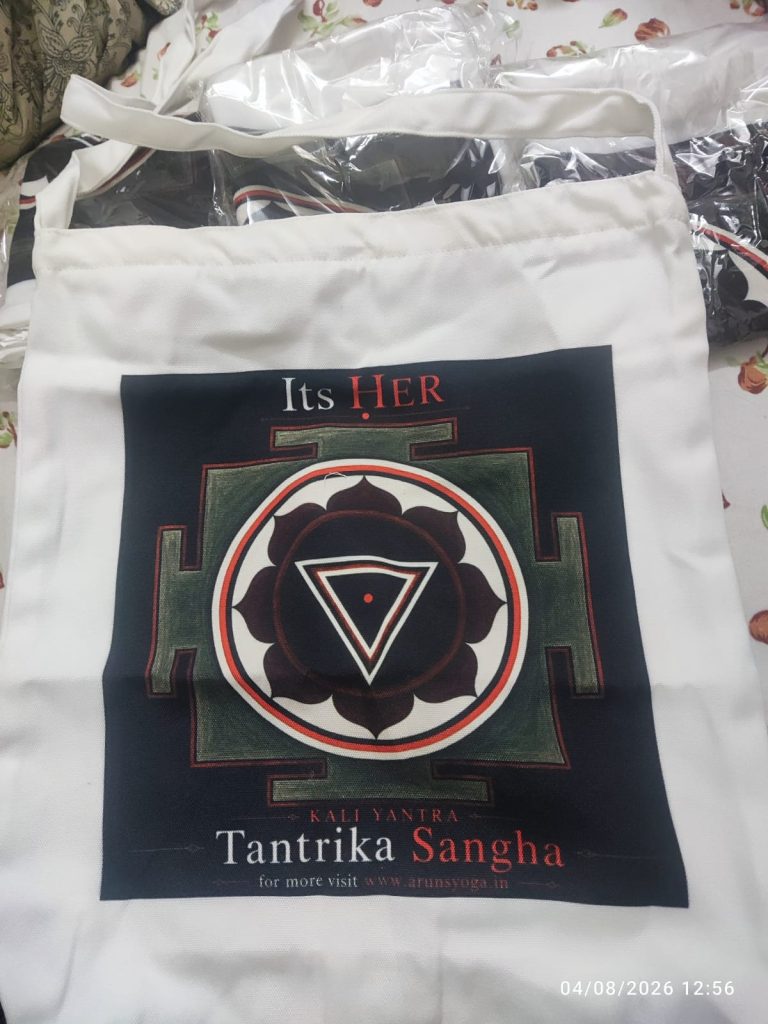
Kali yantra bags are available

Tantrik workshop with satyama





Leave a Reply