What Is Lolasana?
Lolasana, known as the pendant pose, is an arm‑balancing posture that suspends the body off the ground while the legs are tucked close to the torso. The name comes from the Sanskrit word lola, meaning “to swing,” reflecting the gentle rocking motion you can create once you find stability.
Key Benefits of Practicing Lolasana
Beyond looking impressive, Lolasana offers several functional advantages:
- Core activation: The pose demands a tight abdominal brace to keep the hips lifted.
- Upper‑body strength: Your wrists, forearms, and shoulders work together to support your weight.
- Balance and focus: Maintaining the pose improves proprioception and concentration.
- Spinal flexibility: The gentle swing encourages mobility in the lumbar region.
Preparation: Building the Foundation
Before attempting the full pose, develop the necessary strength with these preparatory asanas:
- Plank Pose (Phalakasana) – hold for 30‑60 seconds.
- Boat Pose (Navasana) – three rounds of 20 seconds.
- Crow Pose (Bakasana) – practice the lift and release.
- Forearm Plank – reinforces shoulder stability.
Step‑by‑Step Guide to Lolasana
1. Start in a seated position
Sit on the mat with your legs extended, feet flexed, and spine tall. Place your hands beside your hips, fingers pointing forward.
2. Position your hands
Slide your palms under your hips, fingers pointing toward your feet. Press firmly into the mat, engaging the triceps and shoulders.
3. Lift your hips
Engage your core and lift your hips off the floor, creating a slight V‑shape. Your weight should shift onto your hands.
4. Tuck the legs
Draw your knees toward your chest, then bring your shins parallel to the floor. The thighs should be close to the upper arms.
5. Balance and breathe
Find a point to focus on, inhale deeply, and exhale slowly while maintaining tension in the core and arms. Hold for 5‑10 breaths, then gently release.
Common Mistakes and How to Fix Them
Rounded back: Keep the spine elongated; think of lengthening through the crown of the head.
Wrist pain: Warm up with wrist stretches and distribute weight evenly across the palm.
Legs dropping too low: Keep the thighs pressed into the upper arms; engage the hip flexors.
Variations and Progressions
Once you’re comfortable, explore these options:
- Extended Lolasana: Straighten the legs while staying balanced.
- Lolasana with a twist: Rotate the torso gently to open the side body.
- Transition to Handstand: Use Lolasana as a stepping stone for inverted work.
Safety Tips
Always warm up the wrists, shoulders, and core before practice. If you have any shoulder injuries, modify the pose by using a block under the palms or practicing a supported version against a wall.
Integrating Lolasana Into Your Routine
Place Lolasana near the end of a flow after core‑strengthening poses, or use it as a focal point in a dedicated arm‑balance sequence. Pair it with forward folds to release any tension built in the hips and lower back.
Frequently Asked Questions
What primary muscles does Lolasana target?
The core, forearms, and shoulder muscles.
Can beginners attempt Lolasana right away?
No, beginners should first build strength with preparatory poses like Crow and Boat.
Is a yoga mat sufficient for practicing Lolasana?
Yes, a non‑slip mat provides the needed grip for the hands.
How long should you hold Lolasana in a typical practice?
Start with 5‑10 breaths and gradually increase as strength improves.
What is a safe way to exit Lolasana?
Lower the hips first, then place the feet back on the mat and rest in Child’s Pose.
Test Your Knowledge and Win Coupons to Get Discounts
Have a correction or improvement to suggest?
Log in or create a free accountRelated Videos

packing prasad to everyone who has contributed on srisailam havan.

Jogulamba Temple The Next Havan location 6th of 64

5th Havan of the 64 Shakti Peeth Havan — Srisailam

Fifth havan out of 64 in srisailam.

At India's largest tiger reserve getting ready for our fifth havan. all are welcome

Pvt group initiation into yoni mudra and tantra @mysore.

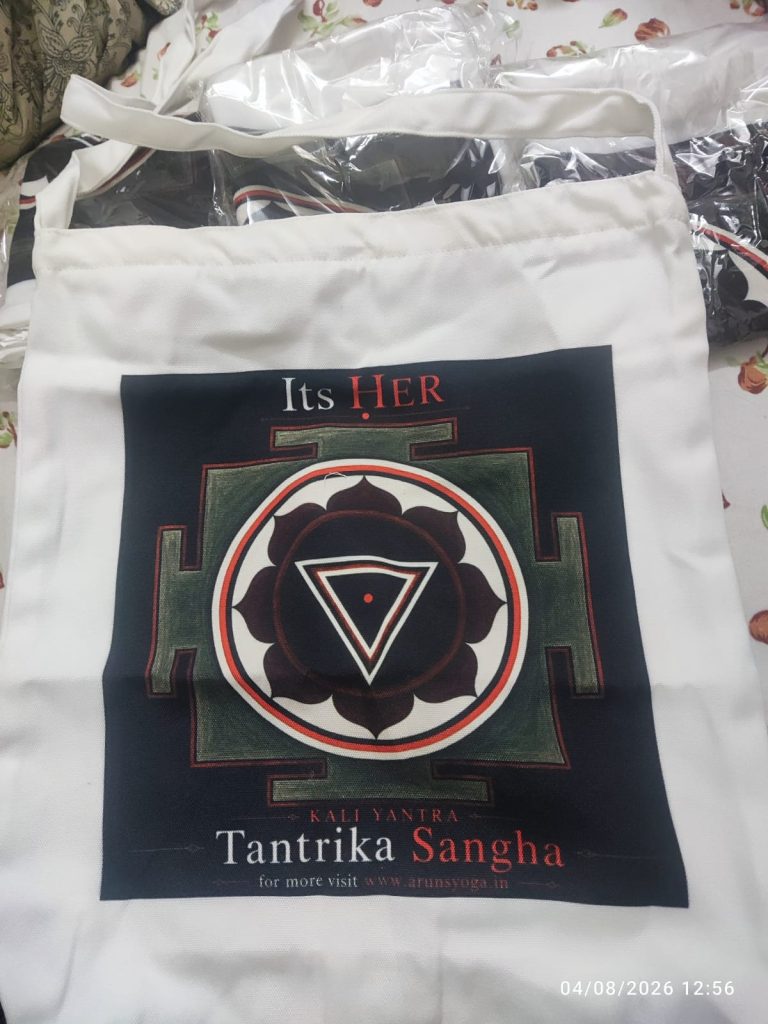
Kali yantra bags are available

Tantrik workshop with satyama





Leave a Reply