Understanding Malasana
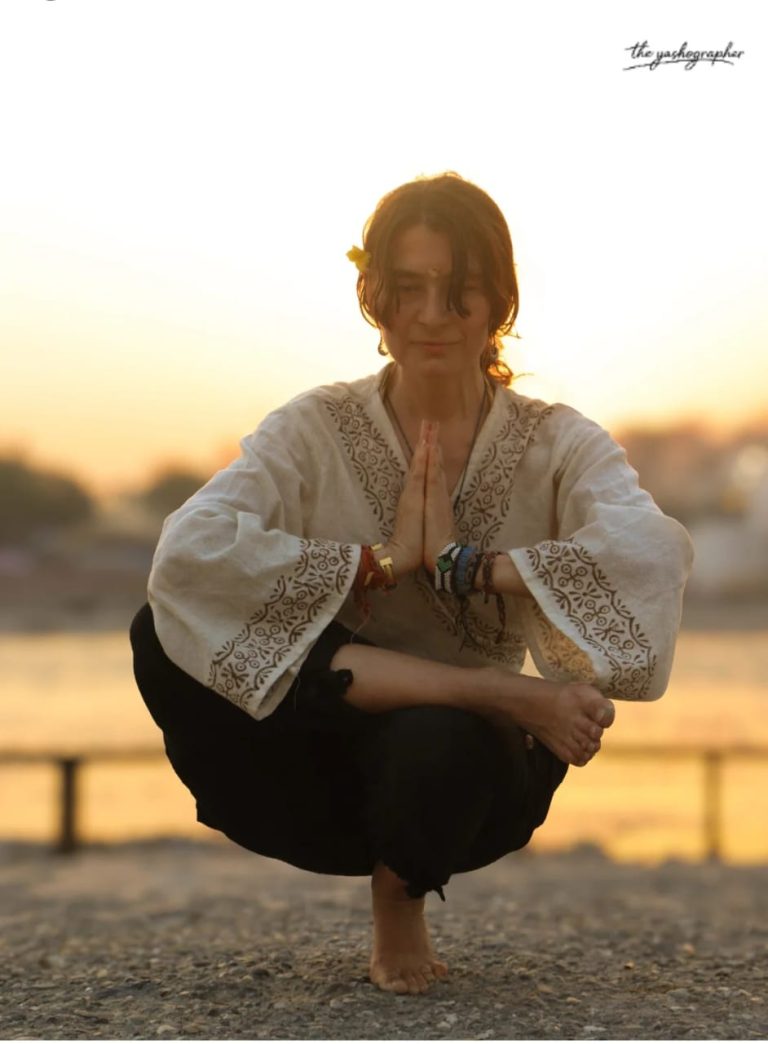
Malasana, often called the Garland Pose, is a low‑crouching squat that encourages a wide opening of the hips, a gentle stretch of the ankle joint, and a subtle activation of the core. It is a staple in many modern yoga sequences because it balances strength and flexibility while grounding the practitioner.
Key Benefits
- Hip flexibility: The pose releases tension in the adductors and groin.
- Ankle mobility: Squatting deeply improves dorsiflexion.
- Core engagement: Maintaining an upright torso recruits the deep abdominal muscles.
- Digestive stimulation: The forward fold compresses the abdomen gently, encouraging peristalsis.
Step‑by‑Step Alignment
Follow these cues to enter Malasana with safety and comfort:
- Start standing with feet wider than hip‑width, toes turned out 30‑45 degrees.
- Shift weight evenly across the entire foot—heel, ball, and outer edge.
- Bend the knees slowly, lowering the hips toward the floor. Keep the spine long; imagine a string pulling the crown upward.
- Bring the palms together at heart center. If the wrists strain, place the hands on the floor in front of you or use blocks.
- Press the elbows gently against the inner thighs to deepen the hip opening while maintaining a neutral neck.
Modifications for Different Levels
If the full pose feels intense, try these variations:
- Place a folded blanket or block under the heels to accommodate limited ankle dorsiflexion.
- Use a wall for balance: sit with your back a few inches away and press the lower back into the wall.
- Stay on a yoga mat with a slight incline (a wedge) if the floor is hard.
Common Mistakes to Avoid
Even experienced yogis can slip into patterns that reduce the pose’s effectiveness:
- Rounding the back: This compresses the lumbar spine and diminishes the core work.
- Allowing the knees to collapse inward: Keep the knees tracking over the second toe to protect the joint.
- Rising onto the toes: Distribute weight evenly; the heels should stay grounded.
Preparing Your Body
Warm up with dynamic movements such as lunges, hip circles, and ankle pumps. A few rounds of Utkatasana (Chair Pose) and Adho Mukha Svanasana (Downward‑Facing Dog) prime the muscles needed for a deep squat.
Sequencing Ideas
Integrate Malasana into a balanced practice by pairing it with opposite actions:
- After a forward‑fold sequence, use Malasana to bring the spine back upright.
- Follow with a gentle backbend like Bhujangasana (Cobra) to counteract the forward fold.
- End the session with a restorative pose such as Supta Baddha Konasana (Reclining Bound Angle) to let the hips relax.
Closing Thoughts
When practiced mindfully, Malasana becomes more than a stretch; it is a grounding meditation that invites the practitioner to explore the space between stability and flexibility. Honor the pose by listening to your body, adjusting props as needed, and breathing into the opening.
Frequently Asked Questions
Can Malasana be practiced by beginners?
Yes, with modifications such as using a block under the heels or sitting on a blanket, beginners can safely explore the pose.
What should you do if your heels lift off the ground?
Distribute weight evenly across the foot and consider placing a folded towel or blanket under the heels.
Which muscle group gets the most stretch in Malasana?
The adductor (inner thigh) muscles receive the deepest stretch.
Is it okay to keep the knees together in Malasana?
No, the knees should track over the toes to protect the joint and allow proper hip opening.
Test Your Knowledge and Win Coupons to Get Discounts
Have a correction or improvement to suggest?
Log in or create a free accountRelated Videos

Explaining the Wheel Pose to a Blind Person

Why America Needs to Bring Back Sacred Ceremonies to Heal and Raise Our Vibration!

#144 Chakrasana Learn yoga with anu?

#141 Trikonasana. Learn yoga with anu?

Mastering Core Strength and Balance The Challenge Behind Simple Looking Yoga Poses

#145 Vrikshasana Learn Yoga with Anu?

Dream journal is the first step to start with the Dream yoga.

Pakistan give my baby back. #pakistan #baby #india #war #hippie


Leave a Reply