What is Sirsasana?
Sirsasana, commonly known as the headstand, is often called the “king of asanas” because it reverses the effects of gravity and offers a unique blend of strength, balance, and calm.
Key Benefits of a Regular Headstand Practice
Practicing Sirsasana improves circulation to the brain, strengthens the shoulders, arms, and core, and cultivates mental focus. The inverted position also stimulates the lymphatic system, aids digestion, and can reduce stress when paired with breath awareness.
Preparation: Building the Foundation
Before attempting a full headstand, develop a solid base of shoulder stability, core activation, and spinal awareness. Warm‑up with poses such as Dolphin, Plank, and Boat to awaken the necessary muscles.
Strengthening Core and Shoulder Muscles
- Plank variations engage the entire anterior chain.
- Dolphin pose builds shoulder girdle endurance.
- Boat pose (Navasana) targets the deep abdominal muscles essential for balance.
Step‑by‑Step Alignment Guide
Follow these precise cues to keep your neck safe and your balance steady.
1. Set Up Your Base
Kneel on your mat, interlace your fingers, and place your forearms on the ground forming a triangle. Crown of the head rests gently in the triangle’s center, avoiding pressure on the facial bones.
2. Engage the Core
Draw the navel toward the spine, lengthen the tailbone downward, and activate the quadriceps. This creates a long, stable column from crown to heels.
3. Find the Balance Point
Lift one leg at a time, keeping the hips level. Use the arms to micro‑adjust; the shoulders should bear the weight while the neck remains neutral.
Common Mistakes and How to Fix Them
Many beginners collapse into the neck or allow the hips to tilt. To correct this, keep the elbows shoulder‑width apart, maintain a hollow core, and practice near a wall for tactile feedback.
Progressions and Variations
Once stable, explore variations such as Leg‑swing Sirsasana, Hand‑to‑Toe Headstand, or the advanced Tripod Headstand. Each adds a new challenge while reinforcing the core and shoulder girdle.
Safety Tips and Contra‑Indications
Avoid Sirsasana if you have uncontrolled high blood pressure, glaucoma, or recent neck injuries. Always warm up, use a folded blanket under the head for cushioning, and exit the pose slowly by lowering the legs to the ground.
Frequently Asked Questions
Can beginners practice Sirsasana without a wall?
Yes, but a wall provides safe feedback while building confidence.
What is the primary muscle group engaged in a headstand?
Core muscles
How long should a new practitioner hold Sirsasana initially?
5‑10 seconds
Is it safe to practice Sirsasana daily?
Yes, with proper rest and listening to your body
Test Your Knowledge and Win Coupons to Get Discounts
Have a correction or improvement to suggest?
Log in or create a free accountRelated Videos

packing prasad to everyone who has contributed on srisailam havan.

Jogulamba Temple The Next Havan location 6th of 64

5th Havan of the 64 Shakti Peeth Havan — Srisailam

Fifth havan out of 64 in srisailam.

At India's largest tiger reserve getting ready for our fifth havan. all are welcome

Pvt group initiation into yoni mudra and tantra @mysore.

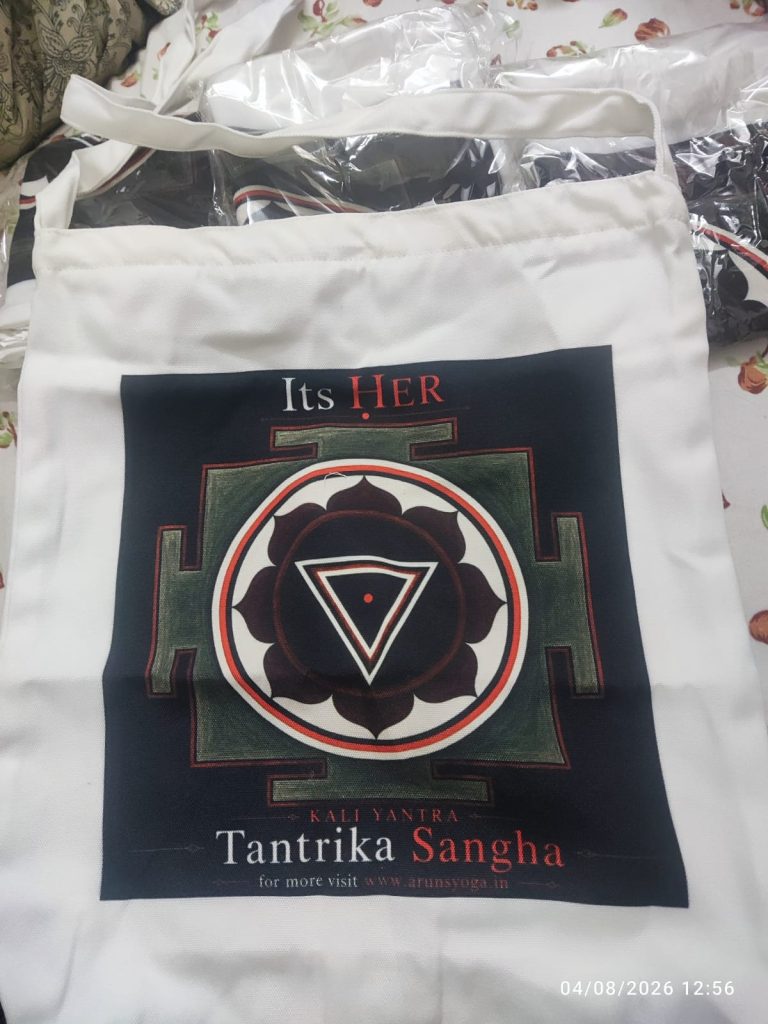
Kali yantra bags are available

Tantrik workshop with satyama


Leave a Reply