 ARUN'S YOGA
 ARUNSYOGA
The Five Planets in Traditional Chinese Astronomy
In traditional Chinese astronomy, the five planets—Mercury, Venus, Mars, Jupiter, and Saturn—hold great significance. Each planet is associated with specific qualities and influences that are integral to Chinese metaphysics, astrology, and divination practices. Understanding these planets can provide valuable insights into one’s destiny and the workings of the universe.
Understanding the Five Planets
Each of the five planets corresponds to various elements, energies, and concepts within the traditional Chinese cosmological framework. These associations are foundational to many astrological interpretations and practices. Below is a detailed exploration of each planet and its significance.
- Mercury (Shuixing): Associated with communication and intellect, Mercury symbolizes adaptability and agility. In astrology, it represents the mind’s capacity for learning and understanding. Furthermore, it is linked to the element of water.
- Venus (Jinhuo): Known for its associations with love and beauty, Venus influences relationships and harmony. This planet is tied to the metal element, highlighting themes of value and aesthetics.
- Mars (Huo): Often regarded as a symbol of action and assertiveness, Mars is associated with the element of fire. It represents courage, competition, and the drive to pursue one’s goals, making it a vital force in both martial and adventurous contexts.
- Jupiter (Mu): Known as the planet of abundance and prosperity, Jupiter is linked to wood. It embodies growth, expansion, and success, encouraging opportunities that lead to personal development and collective well-being.
- Saturn (Tu): Often viewed as a planet of discipline and structure, Saturn resonates with the earth element. It signifies boundaries, responsibility, and the lessons of time and patience.
Influence on Astrology and Divination
The positions and interactions of these five planets play a crucial role in various divination methods, such as BaZi (Four Pillars of Destiny) and Feng Shui. In BaZi, the planets influence a person’s birth chart, shaping their character, potential, and life path based on the elements presented at the time of their birth.
Astrologers examine these planetary influences when interpreting an individual’s destiny, offering guidance on auspicious actions and correct timing in life pursuits. Understanding the energy each planet exerts can help individuals align their actions with cosmic rhythms, thereby enhancing the effectiveness of their endeavors.
Planetary Correspondences within Chinese Culture
In addition to their astrological significance, the five planets permeate various aspects of Chinese culture, including folklore, literature, and philosophy. Each planet inspires specific symbolic meanings and cultural narratives that are reflected in art and tradition.
For example, the festivals often align with celestial events related to these planets. Additionally, philosophical texts draw upon the attributes of these planets to convey moral lessons and principles relevant to human behavior and societal order.
Conclusion
The five planets in traditional Chinese astronomy possess rich meanings that extend beyond mere celestial bodies. Their influence can guide individuals in understanding their potential, navigating life’s challenges, and cultivating harmonious relationships. By integrating the insights derived from these planetary interpretations, practitioners of Chinese metaphysics can enhance their awareness and efficacy in personal and professional realms.
Frequently Asked Questions
What are the five planets in traditional Chinese astronomy?
The five planets are Mercury, Venus, Mars, Jupiter, and Saturn. Each planet holds unique significance and influences in Chinese metaphysics and astrology.
How does each planet influence one's destiny?
Each planet corresponds to specific qualities and elements that shape astrological interpretations in one’s birth chart. Understanding their influences aids in guiding decisions and life paths.
What element is associated with Mars in traditional Chinese astronomy?
Mars is associated with the element of fire. It symbolizes action, assertiveness, and courage.
How do the five planets relate to Chinese culture?
The planets influence various aspects of Chinese culture, including folklore, literature, and festivals, each embodying symbolic meanings that reflect moral lessons and societal order.
What divination methods are influenced by the five planets?
Methods such as BaZi (Four Pillars of Destiny) and Feng Shui are influenced by the positions and interactions of the five planets, impacting personal character and life path.
Test Your Knowledge and Win Coupons to Get Discounts
Have a correction or improvement to suggest?
Log in or create a free accountRelated Videos
 #1 -#9 Planet Sun(Surya: The Radiant King of Planets)
 Fundamentals Of Vedic Astrology -3 (Planets)
 Ruling planet.
 #7- #9Embark on a Journey of Discipline and Responsibility: Unveiling the Strength of Shani(Saturn)
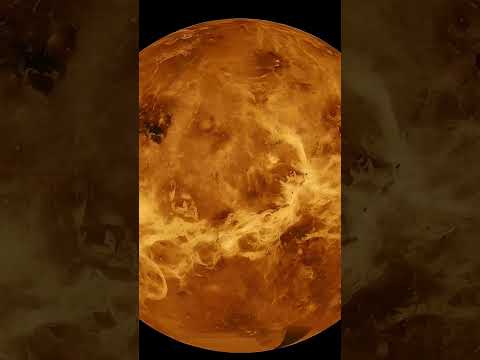 #6- #9Embark on a Journey of Love and Beauty: Unveiling the Enchantment of Shukra(Venus)
 #9- #9Ketu: Unveiling the Shadow Planet
 #165 These Vedic astrology tricks can make your partner to love you like anything.
 #4- #9Budha: The Agile Prince of Communication(Mercury)









Leave a Reply