 ARUN'S YOGA
 ARUNSYOGA
What Are the Twenty-Eight Lunar Mansions?
The Twenty-Eight Lunar Mansions, known as Er Shi Ba Xiu in Chinese, represent a vital system in Chinese astrology and cosmology. These mansions divide the night sky into segments that correspond to the moon’s position over a 27.3-day lunar cycle, with each mansion marking a specific path through the heavens that has astrological significance.
Historically, the lunar mansions played a critical role in guiding agricultural and civic activities in ancient China, as they were linked to seasonal changes and celestial movements. Beyond their practical applications, they also connect deeply with the philosophical and metaphysical frameworks of Chinese culture.
The Structure of the Lunar Mansions
The Twenty-Eight Lunar Mansions are grouped into four primary categories, each associated with specific elements and natural forces:
- East:
- Zi Wei (The Emperor)
- Shen (The Serpent)
- Yin (The Crow)
- Jing (The Well)
- Ding (The Car)
- Chen (The Dragon)
- Yin (The Beast)
- Si (The Fire)
- Wang (The Emperor’s Court)
- Fang (The House)
- Li (The World)
- Kang (The Universe)
- Duo (The Clouds)
- Geng (The Sword)
- Gou (The Dog)
- Xun (The Wind)
- Zi (The Water)
- Yin (The Shadow)
- Jian (The Monitor)
- Li (The Eel)
Each mansion influences different aspects of life, from personal destiny to agricultural productivity, showcasing the complex interplay between astronomy and human affairs.
Role in Destiny and Divination
In Chinese metaphysics, the Er Shi Ba Xiu are not merely astronomical constructs but are also tools for divination. Astrologers use the lunar mansions to interpret the positions of celestial bodies at the time of one’s birth, which can shed light on personal traits, fate, and potential life events. For instance, when the moon is positioned within a certain mansion at birth, it is said to bestow specific qualities or challenges that shape the individual’s journey.
Divination practices often utilize the lunar mansions in conjunction with techniques like BaZi (Four Pillars of Destiny) and Feng Shui, enabling practitioners to articulate more detailed readings regarding a person’s fortune or misfortune. These interpretations can guide decisions related to marriage, business, travel, and more.
The Influence on Daily Life
In traditional societies, the Twenty-Eight Lunar Mansions dictated important daily and monthly activities, including when to plant crops, when to hold ceremonies, and even when to engage in personal matters. This methodical approach to time according to the lunar cycle reflects a profound respect for nature’s rhythms and the celestial order that governs human affairs.
Today, although modernity has shifted much of this practice, many still consult lunar calendars based on the Twenty-Eight Mansions for auspicious days for significant life events, such as weddings and business openings, demonstrating the continued relevance of this ancient wisdom.
Conclusion
The Twenty-Eight Lunar Mansions offer a deep and enriching perspective on the universe as seen through the lens of Chinese astrology. They provide not only insight into our destinies but also a meaningful framework to understand and live harmoniously with the rhythms of nature and the cosmos. Engaging with this knowledge fosters a deeper connection to the universe, enhancing one’s understanding of fate and guiding personal choices in everyday life.
Frequently Asked Questions
What are the Twenty-Eight Lunar Mansions?
The Twenty-Eight Lunar Mansions, known as Er Shi Ba Xiu in Chinese, are segments of the night sky that correspond to the moon’s position over a lunar cycle. They play a crucial role in Chinese astrology and cosmology.
How do the Lunar Mansions influence daily life?
The Lunar Mansions dictate important agricultural and civic activities, determining auspicious days for events like planting crops and holding ceremonies. Their influence is still relevant today, as many consult lunar calendars for significant life decisions.
What role do the Lunar Mansions play in divination?
In Chinese metaphysics, the Lunar Mansions are used for divination, helping astrologers interpret the celestial positions at birth to reveal personal traits and potential life events. They are often used alongside techniques like BaZi and Feng Shui.
Test Your Knowledge and Win Coupons to Get Discounts
Have a correction or improvement to suggest?
Log in or create a free accountRelated Videos
 Ithi (Chinese banayan) The tree of uthram nakshatra
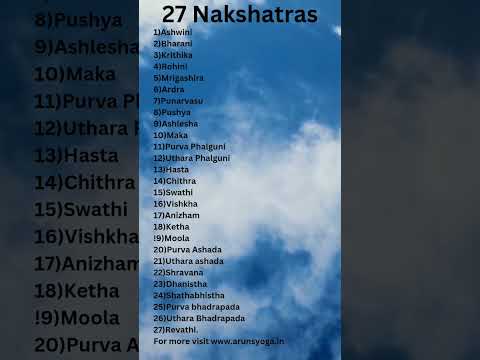 #146 All 27 Nakshatras in order.
 #2 -#9Chandra: The Ebb and Flow of Emotions(moon)
 Fundamentals Of Vedic Astrology -1 (Qualities Of Nakshatras)
 Astrology and Nature_ The Seasonal Connection
 Vishwakarma is the celestial architect.
 Differences between vedic astrology and tarot card reading.
 The Astrology Of East And West Episode No. 3: Fundamental Differences And Similarities









Leave a Reply