 ARUN'S YOGA
Understanding Vaiṣṇavī and Śāṅkarī in the Nādabindu Upaniṣad
The Nādabindu Upaniṣad presents profound insights into the spiritual dimensions of sound and identity. Among its teachings, the seventh and eighth entities are crucial, named Vaiṣṇavī and Śāṅkarī respectively. These names carry significant meanings and implications in the context of spiritual practice and realization.
Vaiṣṇavī represents a deep connection to divine consciousness associated with Lord Vishnu, embodying preservation and balance in the universe. Conversely, Śāṅkarī is linked to Lord Shiva, symbolizing transformation and the shedding of the old to make way for the new. Both these principles are pivotal in understanding the cosmic dance of creation and dissolution that is central to the doctrines outlined in the Upaniṣads.
The Role of Vaiṣṇavī
In the vast spectrum of spiritual practices, Vaiṣṇavī embodies the attributes of love, compassion, and the nurturing aspects of divinity. Specifically, she encourages practitioners to cultivate a mindset of devotion and surrender to the divine will. Thus, engaging with the concept of Vaiṣṇavī can invoke feelings of peace, equanimity, and a sense of belonging to the universe.
- Divine Preservation: Vaiṣṇavī ensures that the balance of existence is maintained. Her attributes inspire followers to appreciate and foster harmony in their lives.
- Compassion and Love: The energy of Vaiṣṇavī is often associated with unconditional love and compassion, urging individuals to connect with others and the world around them.
- Devotion: Practicing devotion to Vaiṣṇavī allows seekers to experience the protective and nurturing aspects of divinity.
The Essence of Śāṅkarī
On the other hand, Śāṅkarī, representing the Shakti of Lord Shiva, invites practitioners to embrace change. She signifies the principle of transformation that is essential for personal growth and spiritual evolution. Understanding and meditating on Śāṅkarī can reveal insights into the nature of impermanence and the importance of letting go of outdated beliefs and patterns.
- Transformation: Śāṅkarī embodies the force that catalyzes change, prompting practitioners to release old habits that no longer serve their spiritual journey.
- Destruction and Renewal: Just as Lord Shiva represents destruction, Śāṅkarī teaches that destruction is a necessary part of the cycle of life, paving the way for new beginnings.
- Embracing Impermanence: Engaging with Śāṅkarī helps seekers accept change as an inevitable aspect of existence, encouraging a more fluid approach to life’s challenges.
Integrating Vaiṣṇavī and Śāṅkarī
The interplay between Vaiṣṇavī and Śāṅkarī represents the duality and unity of existence. Together, they teach us that preservation and destruction are not opposing forces, but rather complementary aspects of the same divine reality. This understanding is vital for practitioners seeking to navigate the complexities of life while remaining anchored in spiritual awareness.
Incorporating the teachings of both Vaiṣṇavī and Śāṅkarī encourages a balanced approach to personal and spiritual development. By honoring both aspects, followers can cultivate harmony within themselves, fostering resilience in the face of life’s inevitable changes.
The Significance in Daily Life
For practitioners of yoga, meditation, or any spiritual path, integrating the principles of Vaiṣṇavī and Śāṅkarī can enhance one’s journey. They serve as reminders to appreciate the tranquil moments of life while also being prepared for the necessary changes that promote spiritual and personal growth.
In summary, the teachings of Vaiṣṇavī and Śāṅkarī in the Nādabindu Upaniṣad provide profound insights into the nature of existence. By understanding and embodying these principles, one can cultivate a deep awareness of the divine interplay of preservation and transformation, aligning oneself with the cosmic rhythm of life.
Frequently Asked Questions
What do Vaiṣṇavī and Śāṅkarī represent in the Nādabindu Upaniṣad?
Vaiṣṇavī represents divine preservation and balance associated with Lord Vishnu, while Śāṅkarī symbolizes transformation and renewal linked to Lord Shiva.
How does engaging with Vaiṣṇavī benefit practitioners?
Engaging with Vaiṣṇavī fosters love, compassion, and a mindset of devotion, helping practitioners experience peace and harmony in their lives.
What role does Śāṅkarī play in spiritual practices?
Śāṅkarī encourages practitioners to embrace change and transformation, teaching the importance of letting go of outdated beliefs for personal growth.
What is the significance of integrating Vaiṣṇavī and Śāṅkarī?
Integrating both principles helps practitioners understand the balance of preservation and destruction, essential for spiritual development and resilience.
Test Your Knowledge and Win Coupons to Get Discounts
Have a correction or improvement to suggest?
Log in or create a free accountRelated Videos
 Understanding a deity.
 #153 Brahma is the lord of rohini. The intense creator. 4-27
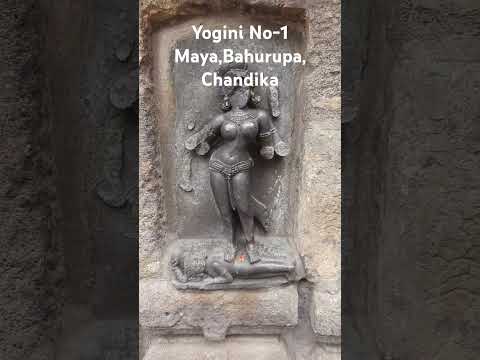 #51 @Hirapur 64 yogini temple. Destruction is caused by Islamic invaders. #Islam #destruction Tl-51
 Re educating in joy and love. A spiritual awakening.
 Serving Tantrika Herbal tea to Random sadhus of Arunachala — a simple act of love and devotion.
 Being in the #divine #love. #shorts
 Exploring Mystical Practices and Spiritual Growth
 Change.









Leave a Reply