Who Is Bhairavi in Hindu Tradition?
Bhairavi stands among the most awe‑inspiring forms of the Divine Mother, embodying fierce compassion that cuts through illusion. She is celebrated as the first of the Navadurga and is often invoked when seekers need swift transformation.
Mythological Roots
According to the Devi Mahatmya, Bhairavi emerged from the third eye of Goddess Durga during a battle against demonic forces. Her birth signified the birth of a force capable of destroying ego‑based darkness.
Origin Stories
Different regional texts offer variations: in some Tamil legends, she is described as the consort of Lord Shiva’s terrifying aspect, Bhairava. In the Kashmir Shaivism tradition, Bhairavi represents the ultimate feminine energy that fuels creation and dissolution.
Iconography and Symbolism
Statues of Bhairavi typically depict her with:
- Four arms, each holding a sword, trident, drum, and a skull cup.
- A fierce expression, eyes wide open, symbolizing the all‑seeing nature of consciousness.
- Bright red garments and a garland of skulls, highlighting her power over death and rebirth.
- A tiger or lion skin draped over her shoulders, representing mastery over primal instincts.
The color red dominates her worship, reflecting both the heat of transformative energy and the blood of sacrifice.
Rituals and Daily Worship
Devotees perform a series of practices to honor Bhairavi:
- Lighting a red ghee lamp before her altar at sunrise.
- Offering red flowers such as hibiscus and kumkum.
- Reciting the Om Bhairaviye Namah mantra 108 times.
- Observing a fast on Tuesdays, the day traditionally linked to her energy.
These rituals are believed to clear mental fog, empower inner will, and protect against negative influences.
Mantras and Meditative Practices
The core mantra, Om Bhairaviye Namah, is chanted while visualizing a radiant red light at the heart center. Practitioners often combine the mantra with breath retention (kumbhaka) to intensify the energetic effect.
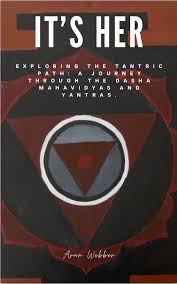
Another powerful practice involves the Bhairavi Yantra, a geometric diagram placed on the meditation altar. Gazing at the yantra while chanting aligns the practitioner’s subtle body with Bhairavi’s transformative force.
Major Temples and Pilgrimage Sites
Key locations where Bhairavi is venerated include:
- Vijayanagar Bhairavi Temple in Karnataka, famed for its intricate stone carvings.
- Mahabaleshwar Bhairavi Shrine in Maharashtra, a site of annual Kartik festivals.
- Rameshwaram Bhairavi Kshetra in Tamil Nadu, where pilgrims perform night‑long bhajans.
During the Kartik month, thousands gather to perform the Rudra Abhisheka, a ritual bath of the deity with sacred herbs and milk.
Why Devotees Turn to Bhairavi
In modern life, Bhairavi is approached for:
- Breaking deep‑seated habits and addictions.
- Gaining confidence in challenging professional or personal situations.
- Protection against psychic attacks and negative energies.
Her fierce yet loving nature reminds seekers that true power arises from surrender to the divine feminine.
Frequently Asked Questions
What is the primary color associated with Bhairavi's worship?
Red
Which mantra is most commonly recited for Bhairavi?
Om Bhairaviye Namah
In the Navadurga, what position does Bhairavi hold?
First
Which day of the week is traditionally dedicated to Bhairavi?
Tuesday
Name a major temple where Bhairavi is worshipped in Karnataka.
Vijayanagar Bhairavi Temple
Test Your Knowledge and Win Coupons to Get Discounts
Have a correction or improvement to suggest?
Log in or create a free accountRelated Videos

packing prasad to everyone who has contributed on srisailam havan.

Jogulamba Temple The Next Havan location 6th of 64

5th Havan of the 64 Shakti Peeth Havan — Srisailam

Fifth havan out of 64 in srisailam.

At India's largest tiger reserve getting ready for our fifth havan. all are welcome

Pvt group initiation into yoni mudra and tantra @mysore.

Kali yantra bags are available

Tantrik workshop with satyama







Leave a Reply