 ARUN'S YOGA
 ARUNSYOGA
Direct answer
In this body the jīva rides mounted upon prāṇa, and the seat of Kuṇḍalinī lies below, at, and above the navel. The eightfold nature (aṣṭa‑prakṛti) means the Kundalini energy is coiled in eight turns, each turn representing a subtle layer of consciousness.
Understanding the key terms
The verse uses several technical terms that require clarification. jīva refers to the individual soul or life‑force that animates the body. prāṇa is the vital breath or life‑energy that circulates through the nadīs. Kuṇḍalinī denotes the dormant spiritual energy that, when awakened, rises along the spinal column. Finally, aṣṭa‑prakṛti describes the eightfold nature of reality, often correlated with the eight circular turns of the Kundalini coil.
Location of Kuṇḍalinī
The Sanskrit phrase “नाभेस्तिर्यगधऊर्ध्वं कुण्डलिनीस्थानम्” explicitly states that the seat of Kundalini is situated below, at, and above the navel. In yogic anatomy this region corresponds to the area of the lower abdomen, the manipura chakra, and the beginning of the central channel (sushumna). This tri‑directional description emphasizes that Kundalini is not a point but a vertical axis anchored around the navel.
The eightfold nature (aṣṭa‑prakṛti)
Traditional commentaries link the eightfold nature to the eight pradhānas (vital forces) and the eight kriyas that shape human experience. Each turn of the Kundalini coil corresponds to one of these layers:
- First turn – the physical body (sthula‑śarīra)
- Second turn – the vital breath (prāṇa)
- Third turn – the mental faculty (manas)
- Fourth turn – the intellect (buddhi)
- Fifth turn – the ego (ahaṃkāra)
- Sixth turn – the subtle sense organs (tanmātrā)
- Seventh turn – the subtle mind (sukṣma‑manas)
- Eighth turn – the supreme consciousness (caitanya)
When the jīva is mounted on prāṇa, it traverses these eight stages, gradually purifying the self until the Kundalini ascends to the sahasrāra chakra at the crown.
Yoga practice and the awakening of Kundalini
Śāṇḍilya Upaniṣad frequently pairs philosophical exposition with practical instruction. To experience the coiled energy, practitioners employ:
- Prāṇāyāma – regulated breathing that strengthens the prāṇa‑jīva connection.
- Bandhas – internal locks (Mūla, Uḍḍiyāna, Jālandhara) that direct the flow of Kundalini upward.
- Asanas – postures such as Padmāsana and Siddhāsana that align the spine and open the navel region.
When these techniques are performed with concentration (dhyāna) and devotion (bhakti), the dormant Kundalini begins to unwind, moving first below the navel, then through the central channel, and finally above the head.
Signs of the eight turns
Each turn manifests as distinct phenomenological signs:
- Heat in the lower abdomen (first turn)
- Increased breath awareness (second turn)
- Subtle vibrations in the spine (third turn)
- Clarity of thought (fourth turn)
- Transcendence of egoic patterns (fifth turn)
- Sensory refinement (sixth turn)
- Deep meditative silence (seventh turn)
- Experience of pure consciousness (eighth turn)
Observing these signs validates that the jīva remains mounted on prāṇa while the Kundalini energy spirals through its eightfold nature.
Conclusion
The verse from the Śāṇḍilya Upaniṣad elegantly compresses a sophisticated yogic doctrine: the jīva travels on prāṇa, the navel region houses the Kundalini seat, and the eightfold nature of reality is mirrored in the eight coils of Kundalini. By integrating breath work, bandhas, and mindful posture, a seeker can consciously engage this process, moving toward the ultimate union of jīva with the supreme consciousness.
Frequently Asked Questions
What does the term jīva refer to?
It is the individual soul or life‑force that animates the body.
Where is the seat of Kuṇḍalinī according to the verse?
It is located below, at, and above the navel, corresponding to the lower abdomen, the manipura chakra, and the beginning of the central channel.
What does aṣṭa‑prakṛti signify in the context of Kundalini?
It denotes the eightfold nature of reality, represented by the eight turns of the Kundalini coil, each associated with a subtle layer of consciousness.
Which yogic practices are recommended to awaken Kundalini?
Prāṇāyāma, bandhas (Mūla, Uḍḍiyāna, Jālandhara), and specific asanas such as Padmāsana and Siddhāsana.
Test Your Knowledge and Win Coupons to Get Discounts
Have a correction or improvement to suggest?
Log in or create a free accountRelated Videos
 Turn the #TV off and lit the #candles. #shorts
 Prana is the vital force that enables dance of eternity.
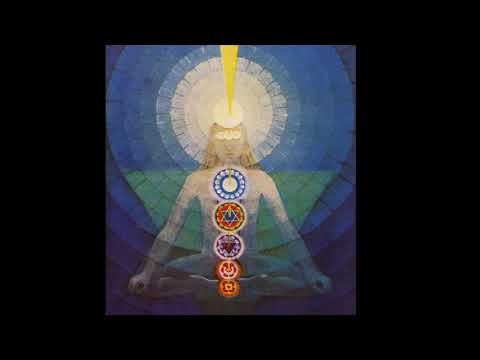 Kundalini Yoga - How It Helps Us To See Reality
 Consciousness Transformed: Covid, Global Uncertainty And Kundalini Yoga - June 2021 Workshop
 Mystical Wisdom And An Introduction to Kundalini Yoga (Zoom Workshop)
 Online Kundalini Yoga Learning Session Level 1 For Beginners
 Kundalini Yoga Level 1 - A Simple Meditation Technique To Transmute Your Sexuality Into Creativity
 When Prana reaches Sahasrara it happens!









Leave a Reply