 ARUN'S YOGA
 ARUNSYOGA
Understanding षष्ठोऽध्यायः — तृतीयं ब्राह्मणम्
षष्ठोऽध्यायः — तृतीयं ब्राह्मणम् from the Bṛhadāraṇyaka Upaniṣad provides profound insights into the practices and rituals that lead to greatness and spiritual awakening. The chapter emphasizes the significance of offering in the Vidyā or Āhavanīya fire, recognizing the divine presence in these sacred acts.
Offerings and Desires
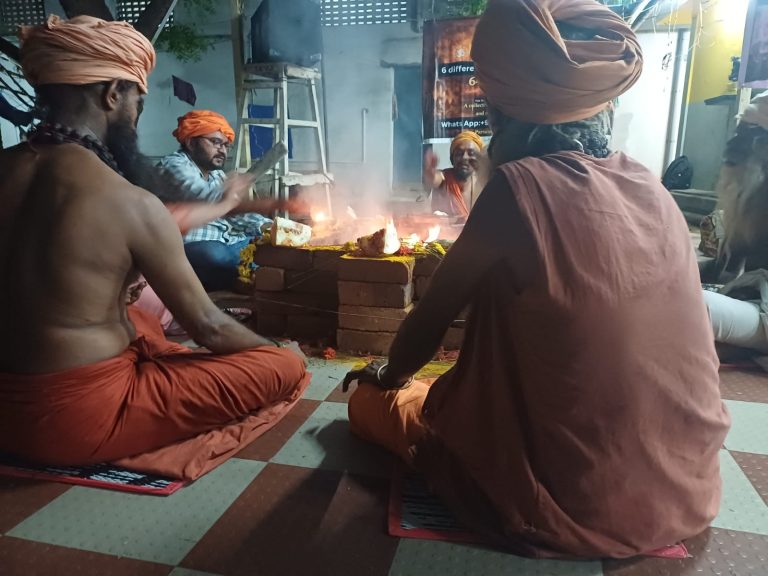
As the text states, “Whoever desires, ‘May greatness come to me,’ should during the sun’s northward course prepare cakes in the āvasathya fire and offer in the Āhavanīya fire with the phrase: ‘To this, salutation for offspring; such-and-such will come.'” This establishes a direct link between intention, action, and manifestation. The offerings made are not just mere rituals; they are embodiments of desire, invoking the respect and blessings of forces greater than ourselves.
Significance of the Vaiśvānara Fire
The teachings carry forward with an emphasis on the Vaiśvānara fire, a central element of the rituals. The text explains that this fire symbolizes the vital breaths that drive life itself. When one offers in the Āhavanīya fire, one essentially aligns with a fundamental aspect of existence, recognizing the unity between the offerings and the life forces. The verse reiterates the idea that offerings made in the Āhavanīya fire are a means to communicate with the cosmos, nurturing both spiritual and physical progeny.
The Power of Mantras
The third verse states, “In that same Vaiśvānara fire one offers with the same mantra for offspring and arrival.” Here, the importance of using the right mantra is highlighted. The mantra serves as the energetic vehicle carrying one’s intentions into the universe. By correctly using these established sacred words, devotees are able to establish a rhythm with the energies around them, facilitating the manifestation of their desires.
Cultivating a Deeper Understanding
Engagement with these teachings requires not just rote adherence to rituals but a deeper understanding of their underlying principles. The idea that one’s offerings must be filled with genuine intent brings a profound responsibility to the practitioner. Offering becomes a conscious act, a dialogue with the divine, a heartfelt communication that resonates in both the material and spiritual realms.
Conclusion
Thus, Chapter 6, Brāhmaṇa 3 of the Bṛhadāraṇyaka Upaniṣad is not only a manual for ritualistic practice but also a philosophical discourse on desire, energy, and connection to the divine. It reminds us that our aspirations should be fulfilled through conscious intentions and actions, echoing the responsibility we hold in the tapestry of existence.
Frequently Asked Questions
What should one offer in the Āhavanīya fire according to Chapter 6, Brāhmaṇa 3?
One should prepare cakes in the āvasathya fire and offer them in the Āhavanīya fire with the phrase: ‘To this, salutation for offspring; such-and-such will come.’
What does the Vaiśvānara fire symbolize?
The Vaiśvānara fire symbolizes the vital breaths that drive life itself and is central to the rituals discussed in the chapter.
Why is the mantra important in the offerings?
The mantra serves as the energetic vehicle carrying one’s intentions into the universe, facilitating the manifestation of desires.
What does the chapter emphasize about the relationship between intention and action?
The chapter establishes a direct link between intention, action, and manifestation, highlighting that offerings are embodiments of desire.
What is the responsibility of a practitioner according to the teachings?
Practitioners must engage with these teachings with genuine intent, making offerings a conscious act and a dialogue with the divine.
Test Your Knowledge and Win Coupons to Get Discounts
Have a correction or improvement to suggest?
Log in or create a free account











Leave a Reply