What Is Astavakrasana?
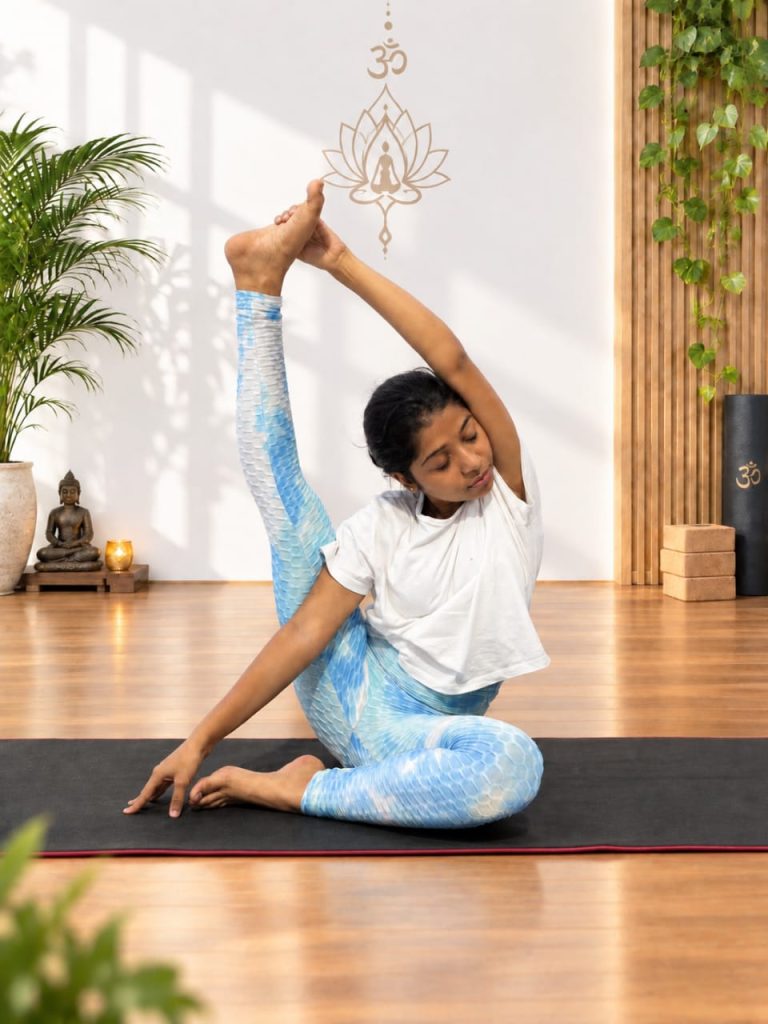
Astavakrasana, commonly called the Eight‑Angle Pose, is an arm‑balancing asana that challenges both strength and flexibility. The name means “the pose of the eight limbs,” referencing the eight points of contact between the body and the mat when the pose is fully entered.
Why Practice This Pose?
The pose builds core power, shoulder stability, and hip openness. Regular practice can improve balance, increase body awareness, and develop the mental focus needed for more advanced arm balances.
Key Physical Benefits
- Strengthens the obliques, rectus abdominis, and transverse core muscles.
- Deepens flexibility in the hamstrings, hips, and groins.
- Develops shoulder girdle stability and wrist strength.
- Enhances spinal articulation and promotes better posture.
Mental Advantages
Holding an arm balance requires concentration, breath control, and confidence. Over time, practitioners notice reduced anxiety and a stronger sense of presence on and off the mat.
Preparation and Prerequisites
Before attempting Astavakrasana, be comfortable with foundational poses such as Plank, Chaturanga Dandasana, and Side Plank. A solid Boat Pose (Navasana) and Forearm Stand (Pincha Mayurasana) preparation can also help build the necessary core and shoulder strength.
Warm‑Up Sequence
- Downward‑Facing Dog for hamstring stretch.
- Low Lunge with a twist to open the hips.
- Forearm Plank, holding for 30 seconds.
- Side Plank on each side, emphasizing hip lift.
Step‑by‑Step Guide
1. Start in a seated position. Extend both legs forward, then bend the right knee, placing the right foot on the mat beside the right hip.
2. Plant the right hand beside the right hip, fingers pointing forward. Shift weight onto the right hand and lift the hips, creating a table‑top shape.
3. Hook the left foot over the right upper arm. The left knee should rest just above the right elbow, and the left foot should grip the right arm.
4. Engage the core and draw the left knee toward the chest. Simultaneously, lift the right leg off the ground, keeping the left foot anchored.
5. Extend the right leg straight back, aligning the body into a “8” shape. Balance on the right hand while the left arm can rest on the right thigh for support.
6. Hold the pose for 5‑10 breaths, then gently release. Return to a seated position and repeat on the opposite side.
Alignment Tips
- Keep the shoulders rolled forward and away from the ears.
- Press the crown of the head toward the floor to maintain a long spine.
- Engage the quadriceps of the lifted leg to protect the knee joint.
Common Mistakes & How to Fix Them
Rounding the back. This indicates insufficient core activation; return to a plank and rebuild core strength.
Wrist pain. Distribute weight evenly across the palm and fingers, and consider using a folded towel for extra support.
Hip dropping. Keep the hips level by actively drawing the belly button toward the spine.
Variations and Progressions
For beginners, practice the pose with the left foot on the floor, using a block under the hand for extra height. As strength improves, transition to the full eight‑angle configuration, and later explore advanced variations such as twisting Astavakrasana.
Integrating Astavakrasana Into Your Practice
Place the pose toward the end of a vinyasa flow, after a series of core‑building asanas. Use it as a transition into seated forward bends, allowing the body to release the effort gradually.
Frequently Asked Questions
What primary muscles does Astavakrasana engage?
The core muscles, shoulders, and hips are the primary focus.
Is it safe to practice Astavakrasana with wrist injuries?
It is best to avoid the pose until the wrist heals, or use a supportive prop.
Can beginners attempt Astavakrasana?
Beginners should build foundational strength first and use modifications.
How long should you hold Astavakrasana in a typical session?
Aim for 5‑10 breaths per side, gradually increasing as strength improves.
Test Your Knowledge and Win Coupons to Get Discounts
Have a correction or improvement to suggest?
Log in or create a free accountRelated Videos

packing prasad to everyone who has contributed on srisailam havan.

Jogulamba Temple The Next Havan location 6th of 64

5th Havan of the 64 Shakti Peeth Havan — Srisailam

Fifth havan out of 64 in srisailam.

At India's largest tiger reserve getting ready for our fifth havan. all are welcome

Pvt group initiation into yoni mudra and tantra @mysore.

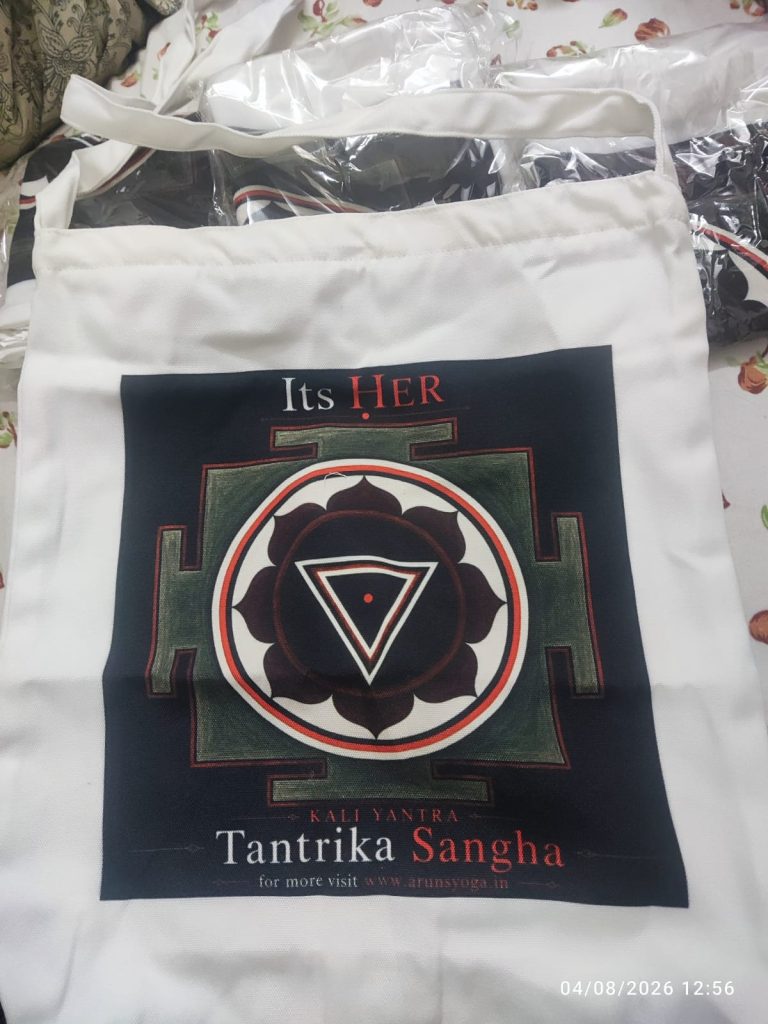
Kali yantra bags are available

Tantrik workshop with satyama


Leave a Reply