What Is Kukkutasana?
Kukkutasana, known in English as the Rooster Pose, is a challenging arm‑balance that tests both core strength and shoulder stability. The name comes from the Sanskrit word “kukkuta,” meaning rooster, because the pose resembles a rooster’s proud stance.
Key Benefits
- Core activation: Holding the pose engages the deep abdominal muscles.
- Shoulder and wrist strength: The arms support the entire body weight.
- Improved focus: Balancing on the hands requires concentration and breath awareness.
- Spinal flexibility: The lift creates a gentle extension in the thoracic spine.
Step‑by‑Step Alignment
1. Prepare Your Base
Begin in Janu Sirsasana (Head‑to‑Knee Pose) or a seated forward fold. Bring your hands behind your back, interlacing the fingers and pressing the palms together. This creates a stable “shelf” for the wrists.
2. Shift Weight Forward
Place your fingertips on the mat, then slowly shift the weight onto the hands while keeping the elbows close to the ribs. Engage the core and draw the navel toward the spine.
3. Lift the Legs
With the core active, lift the knees off the ground, extending one leg forward and the other backward, mimicking a rooster’s tail feather. Keep the hips level; any tilt indicates uneven weight distribution.
4. Find Balance
Look forward, lengthen the neck, and breathe steadily. If balance wavers, lower the legs, reset the shoulder girdle, and try again.
Common Mistakes and How to Fix Them
- Collapsing the shoulders – keep the shoulder blades drawn down and together.
- Rounding the lower back – maintain a neutral spine by engaging the glutes.
- Hands slipping – use a mat with good grip or place a small towel under the fingertips.
- Uneven hips – practice the pose in front of a mirror to notice hip tilt.
Modifications for Beginners
If the full expression feels too intense, practice the pose with the knees resting on a block or a bolster. You can also keep the hands on the mat without interlacing the fingers, which reduces wrist strain.
When to Avoid Kukkutasana
Avoid the pose if you have acute shoulder injuries, wrist pain, or a recent abdominal surgery. Always consult a qualified instructor before attempting advanced arm balances.
Integrating Kukkutasana Into Your Practice
Place Kukkutasana after a warm‑up series that includes shoulder openers and core activation drills. Follow the pose with gentle forward bends or supine twists to release any tension built in the spine and hips.
Frequently Asked Questions
Which muscle group is primarily engaged in Kukkutasana?
Core muscles
What is the Sanskrit meaning of "kukkuta"?
Rooster
Can Kukkutasana be modified for wrist sensitivity?
Yes, by keeping the hands on the mat without interlacing the fingers
What common mistake leads to shoulder collapse?
Shrugging the shoulders upward
Test Your Knowledge and Win Coupons to Get Discounts
Have a correction or improvement to suggest?
Log in or create a free accountRelated Videos

packing prasad to everyone who has contributed on srisailam havan.

Jogulamba Temple The Next Havan location 6th of 64

5th Havan of the 64 Shakti Peeth Havan — Srisailam

Fifth havan out of 64 in srisailam.

At India's largest tiger reserve getting ready for our fifth havan. all are welcome

Pvt group initiation into yoni mudra and tantra @mysore.

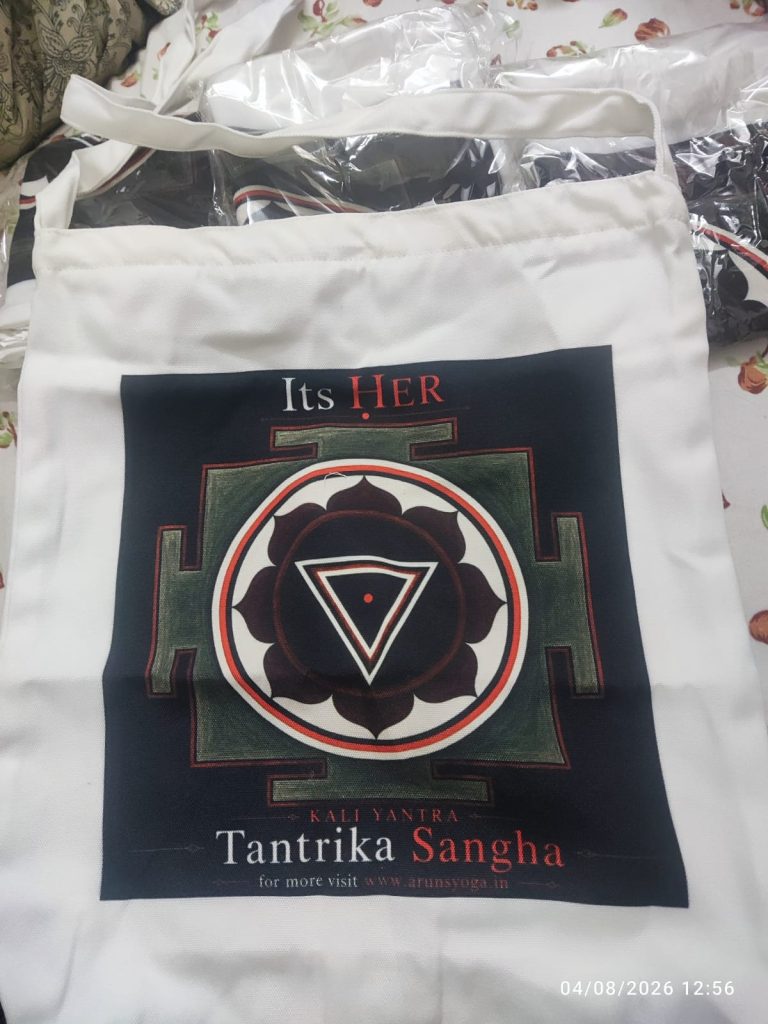
Kali yantra bags are available

Tantrik workshop with satyama




Leave a Reply