 ARUN'S YOGA
Hi.
For today’s podcast I joined again by Ben from tantrapunk.com. We discuss the theme of a decentralized internet and a decentralized economy, together with my upcomingoming project, OpenPinner, with mycryptowebs.com
Welcome to the podcast.
Arun VM is a Vedic astrologer, who specializes in tantra, financial and crypto investments. He offers private astrological readings – for individuals and businesses – and can be contacted via his website:
www.arunsyoga.in
#bitcoin #crypto #blockChain #financialastrology
Transcript (Auto translated can have spelling mistakes)
hi this is arun from ironsyoga.in i am a software engineer who mostly work with node.js php and other backend technologies and i'm an open source contributor as well i'm a tantric by birth in a family which is passing tantric wisdom from generations to generations from past 2000 years of legacy and got lucky to travel across india and got chances to study under various gurus from different backgrounds and disciplines you could connect with me in irons yoga.in here i am helping you to design a divine lifestyle which is based on vedic astrology tandra and other yogic system of understanding hi today's podcast i am joining again with ben from tandrapang.com and at this particular podcast we are discussing about decentralized internet with decentralized economy and the coming project open pino with mycryptoworks.com welcome to the podcast decentralized internet with the decentralized economy so basically like [Music] what to say that um i see the thing is like why what i'm trying to build is like you know um the ipfs node where it could be incentivized for the creators or the or the people who are hosting this ipfs node in such a way that whoever is hosting their particular content into that particular node in so basically the file coin is trying to give that incentive that uh proof of space uh with uh some kind of file coin kind of thing uh so here what i'm trying to do is like where i'm actually seeing like you know where um cardano's uh smart contract uh which is having a very good secure and the charles was concerned uh basically i would like to say that these two peoples are into a war like the stats of kinsen and the battalion is actually basically into a war like this guy is build uh one smart contract i mean sorry a blockchain which actually uh people can host stuff into that and it will um actually give some uh i mean uh using the ethereum people's can actually uh keep that data into that ethereum blockchain and uh however the somehow the uh charles hawkinson and i could do trouble and he went ahead and uh trying to build something which is uh gonna economic which is going to make the uh ethereum blockchain obsolete um so uh however whatever he's trying to build on the top of uh the ethereum blockchain probably could have been actually you know could be actually solved by um ipfs like usb can already know that like it is easy to host stuff into a pfs node and but basically they are lacking uh some kind of incentivizing system which is actually uh needed for any kind of business to sustain uh in a long time like in that sense uh um i'm trying to there is i can see there is a gap uh which is actually uh people's who is willing to host this ipa first node into their own uh infrastructure whether it could be a raspberry pi or it could be a hobbest computer or whatever but there is uh if they want to scale that particular uh thing which is happening in their site they need uh some kind of insignification system to sustain this particular model of business so i'm trying to put a kind of uh um a mining thing which could actually mine the user or they will be uh paying uh the usage of the internet in uh using some kind of smart contract or something like that and whoever is the stakeholders on this particular network will be get uh you know get a stack of or get uh get a share of what is happening on this particular blockchain so this is something which i'm trying to build with the uh this particular product which i'm trying to build and it is basically like there will be a front end which is actually like a not just api with uh which is communicating with their react.js friend and that thing which is actually helping to host the uh um the code into ipf first node and the search which is been associated with this particular stuff and uh basically serving the file uh to people whoever is on this particular network and whoever want to watch this uh or uh who want to see the content which is actually uncensored and which is actually supporting the distributed economy i would like to say it's a distributed economy with a distributed internet that is something which i'm trying to see or uh trying to do uh actually like um uh yeah in the security aspect there is something which is like uh you know there is uh a very good stuff is existing in uh uh um you know uh the uh iuhk foundation's blockchain and you know um so that is also i have gone through a bit of haskell programming i was actually not familiar with the haskell programming uh and writing the uh blockchains by my own thing i mean uh haskell programming is very new to me and whereas the solidity uh which is which actually looks like the uh bit of javascript so it's solidity comes very easily to handy to me like i could actually build the stuff on that and so right now what i have implemented there uh people can actually put their stuff into uh one ipfs node and this node and the important thing is like uh in ipfs system all the servers don't need to be uh available in 24 into seven that is one of the uh to deliver the file into 24 into seven so the uptime anyway going to be 24 into seven even though the machines are not uh are not up 24 into seven so somehow the main net is always uh upon living so this is something which i can see in ipfs node and if there is an incentification system which will actually help people who are hosting this particular server or the particular node into their own infrastructure so that could be something really great so this is something i'm trying to build so yeah um so what do you how do you see about this what what what is that well i uh i'm in love with everything that you said and i followed everything you said and so if um if the intention of this of this recording that we're doing is that uh you know you i mean my my intention would be um actually we should share intentions first how about you know you i think that was a great introduction and i'm pleased to be a friend of yours and a you know to some degree a a peer although i'm far far less skilled with programming languages i i do feel like i have um quite a bit of experience in what what you could call tech startups where you know there's a lot of different people with a lot of different skills that make up a a tech startup successful and everybody plays a different role so you know so in this case i'm you're the more you're more of a skilled developer and coder and like full stack developer and for me for anyone listening i would consider myself a web designer meaning the designer of a of a home or designer of a garden they may not do all of the technical work they may just subcontract or partner with or you know refer out or or what there's various ways that a designer would would understanding the component pieces um help let's say a client you know solve a problem or solve a problem let's say for we're talking about distributed incentivized file storage resilient i'm going to call it data resilience um you know for my own um purposes but uh yeah we're we're have different skills we have different passions different backgrounds with different tools and uh but we but we see a need to to solve a problem and we see a potential to um to create value and revenue and create sustainable um profitable ongoing protocols and then to do that open source and leverage the the value of all of the malicious hackers in the world the net benefit of them attacking your system constantly so that you can see what you did wrong in real time and patch it quick and so you know uh open source invites all kinds of attacks and it's a net benefit to to be to be building that immune system based on on that on that on those attacks and it's also a net benefit to have the the white hat hackers and the benevolent contributors to code uh and code development for them to do pull requests and bug fixes and even bug bounties and there can be an ecosystem around creating a healthy living ongoing evolving software project so um that's i just put that background out there because whoever does listen to this if this is not something that they're that they're passionate about already i think i think it's important to learn about it and to become passionate about it because if you don't become passionate about what what arun's talking about what i'm talking about then you're basically at the mercy of what i'm calling the data industrial complex and they don't always have your best interests in mind as we might you know at least we might observe from recent events with the internet and the gatekeepers of the internet so um software eats eats the world software eats the bank software eats the music industry software eats the file storage industry that's where we're at and uh and we're kind of late to this game this conversation we're kind of late to it because there have been projects in development that you mentioned um but uh but enough backgrounding for me that was just you know i feel like that that's what that's what was channeling through at the moment but i would like if to ask you if we're going to be kind of mutual in this exchange is like who do you want to hear this conversation like who is your audience and what is your intention for us to deliver to them how what what is why is it why should it why should they stick around and listen to us talk about this and and what should we be hoping to deliver to them to make it worth their while you know because i would say one more thing i know you have a lot more friends and colleagues in the software development world than i do and maybe it's those people who you would want to be the first ones to know that hey arun your friend arun used to build all these projects with he's doing something cool he's starting his own project here it is on github etc and maybe we're doing like the you know the pitch to get them to you know join forces i don't i don't know i don't know what your intention is exactly so i'd like to give it back to you to to express your intention and then we can i guess i kind of did mine first so so thank you for letting me go [Laughter] so basically uh the reason for having this conversation um see how do i see this particular project is like you you might be knowing the philosophy of socialism you know uh that was happened in soviet russia and it's it's actually when the agonist the capitalistic forces in that particular time but right now when we come to our own time what we are actually seeing we are actually seeing corporates are taken up all these uh forces on the form of data and algorithms so they can easily manipulate a lot of people's and make them to um addictive to whatever the system they have built across uh saying that they are actually making these people's life much more easier rather just by the uh just by um using the forces to keep this system uh more stronger you know so what happens in ipfs and stuffs like that it's like it's decentralization of this kind of uh data giants uh in people's hand like a person who is see imagine that the people's across the india is having one one raspberry pi and they are hosting this ipfs node or this incentivizing system across india or across the world or something like that so the data is actually decentralized you know so what happens over here is like there is not a single entity which is actually taking hold of all these kind of particular data and these people who are having these kind of boxes are actually getting incentivized with the uh coins like um any kind of any form of crypto so they can actually exchange that against anything which has a real value so if we check into internet the people who are actually using the kind of cryptocurrencies like a medium of investment or a medium or something like that but it's actually designed in the purpose of serving to replace the money you know so it's it's a so this is my intention behind this particular project uh the centralist decentralization of the uh particular uh internet and the centralization of the economy in much border way in a way you have helped me in beginning with helping me to understand a lot of technologies out there which is uh actually using all these kind of technologies and how to secure and how insecure it is and how securities and who and all is benefiting how many peoples are actually uh sacrificing because of this and stuffs like that so these kind of economy this kind of decentralized internet with the decentralized the uh uh economy is actually uh a liberative movement uh for this uh uh i mean the uh uh the things which are evolving and also uh if we can uh if my intention is like if i can build a a particular product around this and uh which is like that could be become uh like it will be giving a sense uh for me like uh you know building something which is actually uh uh useful for people and which will actually help many people out there and that actually give a much more much more empowerment to people those who are around you know so these are my intention behind this uh uh particular stuff well very well said and i appreciate all that and you know i i um agree with you 100 and it's very important that people um that people take responsibility for to sort of dig their you know digital sovereignty their their civil rights uh human rights as citizens of the internet and and actually study the history of the internet to try to understand that it was it was built so that it would resist centralization and that it would be resilient and it would be self-healing like a natural a natural a network of life in in nature that it would have many nodes many interconnection points and very few single points of failure and then it's become corrupted it's become gentrified and it's definitely um we're seeing the the horrible effects of that uh from government tyranny to corporate tyrannies there's um there's if yeah i'd say if you're listening to this and you haven't already been shocked by some adverse circumstance of being online finding out that that your your data was was hacked from your email account and all they do is say sorry and maybe you'll get you know five dollars from a class action settlement 10 years later you know maybe your all of your personal data all your photos maybe that they were hacked and leaked maybe they were sold so it's it's it's just it's getting worse and worse and worse and i would call it a disease i would say that the internet is um is infected with with malicious uh actors both uh corporate uh nation state and just um and groups gangs of hackers and just individual hackers and and then on top of all the malice there's just negligence around the way people store passwords the way people uh you know you you basically i guess if you i would say to people anybody listen to this whether you're a developer a tantric you know a yogi or all the above as i think we are um i think that the it's important to realize that ask yourself how many times have i clicked yes i have read the terms and conditions and the privacy policy sign up my sign me up and create my account and you lie and i lie every time you click through that interface and you don't read the entirety of those terms you lie and you lie to yourself and you basically wave your that is a prompt for you to to proactively acknowledge the rights that you were surrendering and waving by by interacting with whatever that service is and technically every time you go to a website whether you click a box agreeing proactively to the terms of that website or not you are agreeing to to abide by the terms of that website and so i made a joke once i said imagine if you [Music] for let's say a day you could do it for a day you could do it for a week a month a year but just imagine for the sake of a meditation a guided meditation okay so guided meditation i would say is uh is uh imagine every time throughout a day just try one day every time throughout one day when you take an action meaning you click a button you swipe a screen you log into something you visit a website you start a new account every time you take any action using the internet or using a device that connects to the internet if you were to stop and slowly mindfully make note of every action that you take that involves either a pre-existing contract that you already made you already uh signed up to and accepted the terms for or a new one or one where by visiting a new website you're you were tacitly agreeing to understand that you were bound by the terms of use uh and the privacy policy et cetera that website so now let's say you did that one day you spent logging just a list of all of the enter all of the points in that day where you entered into the legal territory of an agreement with a third party to you know conduct yourself on their platform to consume something from their platform to transact to interact to basically send packets of data back and forth across the internet so now you have after that day let's say let's just say it's a hundred you know average person it's probably well but you know it's hard to say we know who you are where you are in the world for me i would say it's probably between a hundred and a thousand per day um if i were to really log like every mo every second like right now i probably have maybe 20 30 40 50 just because my devices are on you know and then and then if i go and browse and search and click and surf and follow and like and whatever else that's probably another several hundred within an hour or two so let's just say you know let's just say by the end of my day if i were to log every contract that i'm operating under let's just say for sake of argument there's a thousand right so you so so let's just say you you know we all end up with a list of a thousand contracts that we interacted with in a day and then you can ask yourself well how many of those details of those terms of service contracts privacy policies et cetera that i agreed to tacitly how many of those thousand do i have any cognizance of do i really have any understanding of do i do did i ever read at all probably very few and even if you read all of them are you really like careful about about abiding by them and and always aware about what the consequences might be if you are in violation of them and you're at fault and you are liable and then also what what what are you trusting them to do you're trusting them to hold up there into the bargain but you kind of assume that that might be more than they signed up for and they're actually waiving right waiving the the the liabilities that you think they might have so you have less you know uh they don't really have your back the way you thought that they did because you were just living on wishful thinking living on a prayer so the next step i would take in this guide to meditation is to visually imagine that those thousands contracts that you were that you were engaged in electronically invisibly that they exist in in in the in the fantasy world of law and and and the the sort of um the the electronic world of ones and zeros you know binary data going through the pipes of the internet and the wire with the wireless uh sigma the wireless um sphere that all of that material now imagine if you actually sat there with that list of a thousand contracts digital contracts and you sat there with a printer and you printed them all out and then you stacked up every contract that you printed out how how many inches or feet would that step with that pile of contracts stack up to be and that is your digital life the legal structure of your your digital life visualizing and imagining that's how much uh risk that you know unacknowledged risk that's how big your blind spot is you know that's how um how mortifying and terrifying it really is to think about the speed at which we surrender our freedoms our rights and our privacy to third parties without a clue about what we're doing because it's fun because it's a new shiny thing because it's addictive and so what what the framework to come out what arun is saying why it matters if you were privileged enough to live in a so-called free country where they don't just black out the internet when people start protesting and they don't yet monitor every single financial transaction that you that you make with using your whatever currencies you use uh with from cryptocurrency to fiat to a central bank digital currency it's we're talking about surveillance and and the recourse that you might have as a citizen of the internet you you and me and all of us who are happy to use these quote free services the mantra is if it's free you're the product and so what does that mean if it's free you're the product it means the only way that most of these platforms that we're using to do our daily digital lives that we take for granted and we have very careless and reckless with um if we're not paying for that then the revenue model for those platforms to exist unless it's something like signal app which is run on donations or the tour project which is around donations or just an open source project where people just create free free uh licensed con material for people to to to fork and build on uh if it's if it's a business with data centers they got to pay for and they got to pay their lawyers because it's their lawyers who are going to we're going to make sure that you don't sue them and they they know their terms of service they're paying their lawyers they're paying for their data centers they're paying lobbyists to manipulate governments for their advantage and they're monopolies so you know it's a pretty old playbook that they're operating on and uh and you were you were the product because they sell your data uh to advertisers so that they can give you a the the delusion of a free product but as they say there's no such thing as a free lunch so we're at a point in my opinion as like a you know armchair philosopher of internet and i've been um i mean it's cool my mom showed me my first website and it was an anarchist it was called like spunk or something like that it was an anarchist um an anarchist uh like one page web 1.0 very primitive html website and and i remember her excitement because she is also a tech person and um and we all had back in 97 1996 97 you know the first web page that would load um or the error of the first web page is you know we we've come a long way but i go back to remembering when things were much simpler and much less invasive and far more um peer-to-peer you know anybody could post a website a web page i mean back then it was called it wasn't even you know you called it a web page hey do you have a home page yeah here's my home page you know it's like you scroll down for a mile and there's twinkly gifs in the background and uh you know funny fonts and like it's just a total aesthetic atrocity there's no functionality there's no embedded scripts there's no trackers there's none of that stuff barely even search engines at that time and uh of course venture funding silicon valley you know they they seized the opportunity to gentrify that beautiful peer-to-peer very open very egalitarian and far less insidious and hateful and aggressive and poor mannered behavior you know and you could also stay anonymous in in a lot of ways so if you did want to be building a movement you know secretly or or exchanging information as journalists you know it was it's just you know in the words of michael basil my favorite techie of almost one of my top favorite techies michael basil with the privacy security and ocean show and intel techniques.com um you know he's one of the most advanced uh private investigators on the planet and he's worshipped as a was as such and i and i love his work and uh and i learned a lot from him and he says uh when he said you know he's like i don't use a lot of these platforms the social media stuff anymore he's like you know what the internet's not fun anymore and that [ __ ] broke my heart yeah so yeah the thing is like yeah in a way i also don't use uh much of the uh social platforms and not just the decentralization of the verb but that is what that is not just what i am aiming into i'm also aiming into the decentralization of the corporate power which is of course money money is centralized when it comes to a centralized institution it is like it is it is easy to control uh or it is easy to manipulate such a masses with the uh bad infos which is actually uh uh flying uh through internet or any kind of media with such a power with the kind of money those kind of institutions are good so whereas the cryptocurrencies actually uh decentralization decentralizing all this kind of activity so this is also one of the important uh of i'm having and you know and one more thing is like exchange rates are very high if you see into internet there is that party application such as paypal and stuffs like that which is allowing people to send money across the borders and whereas the alien mosque is holding the money for approximately three days and this uh peoples are actually reducing the value of the money for instance if i'm sending or if i'm receiving or fifty dollars already ten dollars is got cut through this third party application and if the usd value is 73 rupees on today's value what i am receiving is like 72 rupees so again there is money is been got deducted whereas in cryptocurrencies the the deduction is almost equal there is uh actually there is no boundaries of the uh uh the the boundaries are not accessing like it can be sent across from one wallet to another and more and more people are getting used to this kind of technology and when it is coming to more and more people's to use this kind of technology the actually the borders will disappear and it is like a small planet where we all like a single family can a world government can be you know executed and it can be developed across the borders and you know those kind of things is only possible through uh uh crypto environment where the other values like gold and all their peoples are actually seeing into less value and like there is a lot of people that died for gold and stuff like that so whereas um for instance in uh we are peoples are actually enslaving peoples in africa kind of countries like africa and all to mine gold and sort of stuffs like that over there uh just to extract the gold that is the just the metal from the uh you know era in order to get a value on the money and get a hold of that but the cryptos are actually uh can break this borders and can be used and you know it's uh i i was watching to one or two videos of charles hopkinson here he is actually saying about that it is like uh you know he currently identified the cryptos it's not just the uh uh not just the way of the darknet people there people are selling buying and selling the stuffs and things like that it's not just the way it's it's not a medium for investment also it's actual currency that could be sent across the borders without the problems of the exchange rate or whatever is uh uh prohibiting people's from sending this transaction possible uh uh across the borders so this kind of thing like decentralized internet with the decentralized the economy is what uh uh these kind of technologies can actually bring forth and this kind of platform uh can actually come up with you know yes thank you thank you for for elaborating on those topics again i agree 100 with what you're saying and and i'm glad that you brought up my my favorite uh oh captain my captain uh charles hoskinson he's uh he's my favorite man in crypto and technology and certainly my favorite mathematician alive and uh i've spent quite a bit of um of my life uh and it has not been a sacrifice it's been actually a huge a huge privilege a huge honor to to be um a fan of charles hoskinson going back myself to uh december 2017 and uh and the classic cardano basically it's it's the what they call it is the charles huskinson whiteboard video that describes the need for a third generation blockchain technology and so we're in the middle of that of that that tournament of gen 3 blockchain projects and um i have i have positions in cryptocurrency holdings speculative investment positions in in a number of third generation or gen 3 blockchain technologies but the one that has won my heart is cardano for really what i consider it i would call it it's the humanitarian coin you know uh and it's not the it's not the only one but to me out of the out of the alternatives to it i i feel like um i feel like bitcoin has been gentrified uh and ethereum not not as bad but i feel like um when i say gentrified that's that's really a repulsive phenomenon and in my in my life story as a as an activist environmental activist and a uh human rights activist i don't want to say social justice because people have um kind of trampled that that term but uh but what gentrification is uh if if that word is new to anyone listening um it's it's very and i'll kind of talk about my my when i was in my teens and 20s you know at the peak of my protesting and my peak of my conviction and my raging hormones and you know as they say days of war nights of love kind of thing like it was very romantic and very passionate to be a college age activist with no kids and no job because i was living off of student loans and basically no responsibilities i could afford to throw myself at the cops on the you know riot police front line you know that the protests and you know that's the time to do that that's the part the the the student class is the warrior class you're either a student warrior fighting for you know whatever cause you believe in or you're conscripted or you join the military and your your warrior energy gets consumed by whatever your your leader of your nation wants to deploy you to do could be for better or worse so the warrior energy of a population is always in the college age people because they have the most freedom flexibility passion dopamine testosterone i mean and so for me a lot of the energy was around the time when gentrification was really taking hold in san francisco bay area and also where i grew up you know in the northwest there was resistance by the warrior student class against the colonization of poor neighborhoods by what we would call hipster corporate chains like that i'm not going to say the names of them but if you watch fight club you will see that one of the missions of project mayhem was to trash a piece of corporate of modern art while simultaneously smashing a corporate chain coffee bar and that was like the sport for them as as like a pre-crypto anarchists they were not like the highest tech anarchist sort of guerrillas but they were very creative they were like poetic terrorists you know is what is what some some people might say but basically that urge to to protect the the the working class the environment um the quality of life of the fabric of a neighborhood from the colonial influence of big corporate invasions whether it's big box stores or chain coffee shops or or suvs sport utility vehicles that was kind of like the the the menace that was coming in and ruining the fun ruining the freedom ruining the culture and the spirit of the local communities just and they had bags of money real estate speculators and they would come in and they would take old houses and they would flip them and i even remember when i was working class at that time you know it felt very awkward to me to have to take a job where where like i wasn't flipping them because i i was poor but i would so like they're hiring the poor people to dig their own [ __ ] graves and that was and i was one of them i was i was paid as a poor person living in a poor area to fix up houses that were then going to sell at a higher value to price out the people living in the neighborhood and then they can use all kinds of dirty tricks and tactics to basically push people out of their own neighborhoods and grandparents and people who own their homes like just getting squeezed out so that uh that gentrification process is something that my most passionate fiery warrior energy was used at that time to fight against that and i won't say i did anything illegal in that movement but i will say that i i did cheerlead some people who did some illegal things and that's not a big mystery but i will say that because and that's before occupy wall street but then occupy wall street was also something that i was not as involved with given different you know that was like the next generation of college warrior energy you could say and that was 10 years you know ish after my cycle of that so i was like just i was applying my warrior energy in more more refined or more sublime ways than just like okay i'm gonna drop everything and camp on a lawn that's cool i would have done it like i would have done it all out ten years earlier but then you know you your life shifts and uh and i did support the movement but basically the reason i say that is because what's happening with bitcoin right now and it has been for a while now and it's become slowly more and more acceptable to to bow down to these forces of gentrification they are making it so that the peer-to-peer electronic cash casual payments over the internet with negligible transaction fees and a one cpu one vote anybody can mine with their laptop ethos of the satoshi white paper that's all been hijacked and now the transaction fees are too high to use them it's impossible to get into the mining game it has been co-opted it has been um gentrified and does that mean i don't own any no does that mean i don't believe in the spirit of it and know that it's still the best money and still still know that it's crypto anarchist at its heart i'm still a believer i'm not bashing bitcoin itself bitcoin is just a tool but the way that it has been manipulated and financialized it's to me less attractive than something that i believe is is ungentrifiable and that's what i'm going to call ada and cardano for the rest of my life if it continues to be the humanitarian coin of my dreams which is actually designed for the people in a way that resists the encroachment of the gentrifying colonizers and so that extends now that's that to me that's my you know investment thesis my spiritual investment thesis in charles hoskinson iohk the cardano foundation ergo the rick and philippe from the uh from from the cardano effect podcast uh big pay from the bloom um the bloom steak pool uh payton uh these are the people in cardano uh and all of the people that show up on the iohk uh monthly product updates all of the people that i am aware of there that's still just you know those are my those are to me my heroes that's my home team like that is my the people who i want to succeed the most and and who i can attribute my current wealth to is the hard work of those people and the vision and the dream that they have so that is my that is my um encouragement not investment advice my encouragement my encouragement to if you're listening to this spend time understanding the history of bitcoin the history of ethereum which i haven't said much about but i'm also you know i love ethereum i love i love bitcoin i love ethereum more i love ethereum i love cardano more so i love cartonno the most and that's reflected in in my portfolio and it's reflected in my in my um my path of development like i did some some smart contract development on ethereum and um and and it was it was important for me to have that learning experience but i do not believe that a theory i believe ethereum has been hijacked by what we call degenerate gamblers and it's decentralized finance is you know off the charts but it's also being seized upon by degenerate gamblers so they call it de-gen phi and there's nothing stopping really any force of evil and corruption from like trying to co-opt and gentrify the cardano network but i do believe that by design the game theoretics of its white paper it's its um roadmap the things that i that i'm looking at i believe that it has a better chance of mostly through on-chain governance and through um a incentivization model uh that that will keep people cohesive and that is what i think charles has the most to teach us about is like governance and and sort of what you might call min archism or direct democracy there's you don't solve these problems overnight just because you figure out how to run with scissors and build you know uh uh build fast and break things is that what the the mantra is zuckerberg says the mantra is move fast and break things or build so like playing with fire running with scissors spending other people's money like exploiting and abusing people like de-platforming people like that's okay no charles has set out to address most of the problems that we're seeing in most of these sectors and so just i say nothing else i'm not saying by ada i'm saying subscribe to charles hoskinson's youtube channel and and uh you know go along for the ride as much as you can that's that is from the heart my best advice to anybody in crypto right now and uh and and i'm it's cringy it's cringy i don't tell people yeah bitcoin satoshi yeah the people peer-to-peer yeah it's no it's gentrified it's getting worse it's unusable it hurts people and and i am sick of the way that it's been abused i love i love uh dave kleeman i will say i love dave kleeman if that means anything for anybody but but i don't want to rag on that and again i i still hold it i still believe in it maybe it'll you know it'll it'll um you know the the the true satoshi's vision will come about some way somehow but i think there's a lot of douchebags and a lot of [ __ ] and i'm very skeptical about it so this is just a good time to have this conversation because there is another soul that i want to shout out for the purpose of this moment of me speaking from the heart about these technologies it's juan bennett juan bennett the the the lead designer developer uh at protocol labs and and and i would say he and his team of like matrix style hacker warrior i don't know if they would call themselves crypto anarchist but they're definitely um they're definitely ethical hackers they're definitely um you know on on the light side of the force juan bennett's so these are the two videos i think anybody listening to this and i honestly don't want to talk to anybody ever again who doesn't watch these two videos and i'll just be blunt about that unless unless you're a sadhu and you're drinking bang and you're singing mantras you know uh to the sun and moon and you don't have any devices and you don't watch anything on youtube then you're excused but if you watch anything on youtube and you don't watch these two videos don't expect me to want to talk to you until you do because i don't want to live in the future that isn't built by these two [ __ ] geniuses you know and that's charles hoskinson and juan bennett so the charles hoskinson whiteboard video please watch that the juan bennett introduction hands-on introduction to ipfs video from 2015 at an ethereum meetup when ethereum was probably worth i don't know dollars or pennies at a time you get it you will get it and you will easily understand like what what we're talking about for developing you know a a um uh you know not a competitive necessarily not i mean maybe an alternative but i say like um there the rising tide floats all boats and then this the ecosystem of open source technology every every fork is a net benefit to everyone because if it if if a fork of an open source project um you know out competes and overshadows the original the original main uh development path then then that then that original development developer base they have something to learn from that fork what do they need to integrate from that if they fail they can learn from their mistakes that's why litecoin is is a great use case that's why bitcoin cash is a great use case it's all a net benefit and it's nothing to fight over unless you're trying to rip people off and you're trying to manipulate the market but if you care about this technology evolving my and not so humble you know opinion is that uh you know i i wanna i wanna help um push this stuff forward and i wanna help adapt adapt this to my needs and that's what uh you know the best developers they say you know we build stuff that we wanna have because we think it's cool and we open source that because we want people to contribute to that and we want to grow together and share in the network effect and that means you know when everything is open source everybody gets to bring this potluck of technology and it's a beautiful thing and it's completely counter to those forces of evil that have that are that are raping and molesting our data and our bank accounts and all of our freedoms and in the worst cases facilitating real actual physical harm on a lot of levels from the state the states the authoritarian regimes and look at what alex gladstein and the the uh and the human rights foundation you know um i i gotta say if there's [Music] the love i have for bitcoin it rests squarely on the on and the really in the work of alice gladstein and the human rights foundation that's not the only use case of bitcoin that's beautiful but i just want to say like i my heart does say i love bitcoin i love the people behind the projects in bitcoin that are still fighting for you know the original vision to for the people to have peer-to-peer electronic cash you know and not digital gold like digital gold is for wall street to [ __ ] with people using the did people don't people need peer-to-peer electronic cash i'm i'm on that i'm in that camp but i'm not i'm not in anybody's like religious sect of you know what what fork of bitcoin is going to do that i don't think a fork of bitcoin is going to do that at this point i don't think proof of work is going to do that i think proof of work is an environmental atrocity and i think proof-of-stake is a step in the right direction but but getting off the soapbox juan bennett ipfs juan bennett's hands-on introduction to ipfs you can watch about half of it before it turns into an actual demo of like command line you know interface stuff which probably will turn most people off unless they really want want to learn that or already know that but the first part of it is like civics for humanity in the information age and the slideshow that he gives this is a i'll pi i'll shut up after this right now i'm in the process of needing to build something that that that solves my problems and that i think is cool and that is going to be a a network of data resilience where anybody in the world can get incentivized and paid to run and host a tantra punk node of a tantrapunk network that's incentivized so so if they if they put together their own let's say raspberry pi which is like a micro open source fully open source micro uh computing device the general computing device where you can load an operating system and connect a monitor and a keyboard and a mouse and actually have a pocket sized it's like uh it's not as sexy as a smartphone but it's also cheaper and it's also far more it's far less limited in terms of like the proprietary licensed hardware and firmware and software that you're succumbing to using an android or an apple phone so if you can sacrifice the convenience and the flashiness of a smartphone and get a little bit more like hacker neo you know uh like matrix style hacker of like this micro computing device you can run an ipfs node you can connect on a peer-to-peer mesh network to access the internet bypassing isps you can use tor you can use tails operating system which is has tor built in and you can be a a a i always say a pri as much as possible a private and anonymous peer-to-peer contributor to resilient um financial and file storage networks and actually get paid for it and there's storage there's file coin there's uh there are other projects that are so trying to solve the problem of incentivizing people to to serve serve vital serve files from their local machine uh operating as a server to the network or uh by you know having a contract with a a centralized data center or hosting provider which is like a step back backwards towards centralization but you know everything is a matter of degrees but why i say this now is that i think you know when i watched juan bennett's um hands-on introduction ipfs hey you know i love i i just uh i don't know who how i can't put into words how much love i have for like the work that he's doing and having read the ipfs white paper that is a dream come true knowing that that that that's being built and that brings me back to the the moment of of my mom showing me my first anarchist web page in 1996 connecting to a dial-up and sitting the laptop on the floor connecting to a phone jack in the wall and saying hey ben look at this look it's a circle a that's what you're into right and it's a web page and it's from czechoslovakia or something you know like how cool is that and nobody could have come in there and snooped on that you know i mean maybe it wasn't encrypted at the time but but but my point is that uh you know in that presentation of one of juan bennett he shows how we went from decentralized to centralized and how we need to we need to reclaim uh that that beauty of that decentralized uh peer-to-peer uh functionality of the internet because it's always been there we just got lazy so you know like get a little fit get digitally fit get off your digital ass and [ __ ] maybe not learn linux and command line and haskell and all that stuff but that's why i worship the hackers that's why i worship arun because he's the one who can make sense of all this stuff at a level that i can't but i can watch charles and i can watch juan tell the story of the internet tell the story of big data and tell the story of decentralization and fall in love with them as people as storytellers as you know magi and uh and shaman and and and gurus you know in their own right and they're creating free tools that actually can pay you to operate you know it's the opposite of an exit scam the opposite of a ponzi scheme you know you were you can um earn by participating and that is that's that's just super um flipping of the script but but the thing i wanted to the vision i wanted to leave you know in my my words with here is that i just released a book i want the book to operate as an open source um crowdsourced editing project where there's incentivization like a bug bounty for people to help me edit that manuscript um and treat it like it's an open source project where people can contribute art they can contribute videos if they want they can contribute commentary they can you know ask me to add or you know refine or change a section and it can be a living living organic sort of open source crowdsource project and people can actually get paid not only to participate in the editing process but also get paid to host the current version of basically what would be considered like a bitcoin node or or or ipfs node or running the client like if you this is something that will eventually evolve is like a tantra punk you know videos podcasts uh books etc all my digital content can be put on a raspberry pi and and it can be all served as a node on an ip on the ipfs network and then that uptime of the serving of those files to the ipfs network my wealth through cardano and other investments you know as they mature will be used to to pay people and incentivizing them for their uptime of the network and therefore i'm not relying i don't have to be de-platformed and i go from platform to protocol and that is the the other mantra but but so with uh with juan juan bennett's uh presentation from six years ago you know he has the funniest most elegant like just totally totally fell in love with this moment where he's talk where he's talking about he's talking about book burning and i think that that was the most quintes that was the most poignant and quintessential historical reference he could make to why we need ipfs and why we need decentralized peer-to-peer resilient data storage networks is that he had this slide of like four or five different photographs of book burning parties you know um religious fervor fanaticism uh political ideological fanaticism right burning books and so you know his analogy if i'm paraphrasing correctly he's like well you know what what the internet can do what file sharing and replication what not can do is that basically it's similar to like well if you have the if you if you own a printing press you know then you can constantly be you know um fighting and really as they can they can burn as many books they can knock themselves out burning books but you can always continue to print more with your printing press and that is basically the war so like he has a slide he has a slide where where there's like like a bunch of fires you know like a bunch of cartoon fires and a printing press and a bunch of cartoon books and then this it goes from like you know how how the books can basically it shows you how the books can kind of like grow back you know and continue to like to replace the the burnt book so they can only you know they they can't keep up with the with that with us if we do this right and that's what this is all about so [ __ ] you to the book gentrifying book burners and like and and and deep bowels to to the hacker you know folks who are who are helping us have these digital printing presses that can that can prevent you know the the extinction of our work you know so that that's that's my soapbox so the basically the thing is like um the decentralization of the internet also the decentralization of the um economy this is the two things which uh i'm aiming into and that is something which i'm trying to build into so yeah um so i think uh we are clear about this no no so where do we go from here that's all i wanna that's all i want to talk yeah how about can i then i'll ask you because i know i talked for a while but i like to if you if you want to go a little longer i'd like to have you you know balance out uh and can i ask you some questions then to give people so maybe you're listening to this you got this far and you're like okay well what do i do now well i said watch those two videos you know that's the start right you watch those two videos and then we can talk you know but uh and then you might change the way you interact with all those contracts that you're in but uh but but i would like to ask you if you have some more time now um to can you i don't and i don't even know that i know this yet so this is for my benefit as much as for the listener i would love to have you share your personal narrative of how you became a developer uh how i become a developer so basically i wrote some code this time computer started to act on the way which i asked it to do exactly it will do whatever i am telling it to do then i started to like what i'm writing yeah then i followed i mean somehow i managed to be more okay with the computer rather than that of the people so that is the reason why i become a developer um yeah then i want to do something uh better with the technology because i know i knew that the is something which is actually connect people uh together and i read a lot of books into this uh i i spent most of my time into reading about the internet and other stuffs and spirituality and yeah this is the two things which i got interested into uh then economy also like i need a balance of all those things and the uh studying about the philosophies and other stuffs like that then i understood all these three things are connecting because philosophically i mean uh human beings are needed to be free that is what they are actually seeking indeed down everybody so how do it's possible it's it's not like uh it's not just like uh possible in uh justin do uh uh you know it's it has to be happen into philosophically spiritually ecologically and you know all the dimension it has to happen then that is how the freedom is actually happening so uh yeah i so there is nothing much about the why i become a developer this is because i just like the this computer thing and uh some at the moment it started to pay me also to write the code somebody started to pay me so yeah that is one more reason now i'm uh i'm doing some meaningful work right now like uh decentralizing the internet and uh you know decentralizing the economy and it's it's like a socialist dream which is actually coming true you know a socialist without the government which is nice yeah exactly so that is uh yeah that is the decentralized government which is possible through it doesn't it right yeah and you know you could call it different things um crypto anarchism direct democracy you know digital consensus uh network consensus so so now uh thank you for sharing that and uh and i think you you a lot of people would would relate to that certainly the the the computers are more cooperative than people part of it i think i could i could agree with that too and uh that's not like i'm i like wild animals you know because they're predictable but people man i don't know i gotta watch out so um but uh but but so this when you say when someone is now a full stack developer so you know i would love for you to share what the evolution uh it has been of your your the code languages that you've worked in you know what which ones you like or don't like why you what is your like um uh what are your tastes for like code languages and what do you like to do uh in the spin in in the development space i mean there's different things that you probably had to do for a job there's probably things that you did as a hobby and i'm just curious like what is your passion beyond just the general experience of computer programming you know so basically i started out with the php the psp was my uh for let's understand what is the term full stack actually means like it's like a person who can actually write a full system like a database driven web 3.0 system like uh there will be uh for instance if we see a website uh there will be a mysql db there will be a php friend php uh where we can write the business logic that will actually show the things on front end so there is three levels and there is some chrome jobs which is uh running on the background like which is actually uh like every 10 minutes so one day we have to take the backups and stuff like that so little bit of channel script so uh then in front and some css html and sort of stuffs like that so uh five to ten languages all together uh somebody is comfortable to write something uh which is then we can call him as a full stack developer then to look back into the technologies uh evolved the technologies which i started with the php then evolved into you know not just because the knowledge is like it's it's a and just exactly like javascript the javascript which we are writing on the front end can be used in the back and as well so the javascript which then i have started to use then right now uh i'm i'm into this uh decentralized stuff so uh solidity and haskell i'm trying to learn now cool okay yeah that was a good that was a good overview and uh i see you know in my experience like i said before i'm more of a designer so i say i've done a lot of um really haphazard copying and pasting of code snippets and breaking things and just i mean like if uh if i would have sat down and diligently read the php books and the html books and the css books and everything i would have saved a lot of time because i would just end up like oh i don't want to learn all of it i just want to change the color of this one background oh where is it and then i would have to use the you know website developer tools to try to identify the class and the style and just like you know if i would have spent if i would have been done doing it right and been disciplined i could have really just focused on learning things correctly and i but i just didn't i didn't have the the mind for it i don't type fast enough i'm very like um not not not really like proficient at it and i don't know if i will get get caught up to that speed so again that's why i value people like you so you you did it right and you've done it right and you're still doing it right to where you know you have a mastery in that in that area and you enjoy it like i i personally uh i'm more of a right brain kind of art you know visual audio like you know i think i don't want to say creative because i think that's really insulting to say oh the creative department and then like the dev department i'm like no everybody's creative everybody's contributing to you know it's a symphony if you're writing writing code you know you're writing poetry you're writing a symphony you're writing you know beautiful creative works of of logic and and and expressing wherewithal and math and computer science that is beautiful so um so i i want to give extra love out there to the devs who you know don't get enough love and credit and certainly don't don't get like um even some of them get very very well and highly paid but there's also been like a race to the bottom with globalization and uh i'm curious if you could talk about like what it's like to be you know uh in the indian tech marketplace where you know there's a lot of there's been a rapid i mean what i would love there's a there's a film that i think people could watch too i'm not i'm not as i'm not as rabid about it as the other two you know videos i mentioned before but it's called outsourced and it's actually the the actor who was uh billy and gremlins was that was the actor so if you love gremlins and you wonder what happened to billy you can see him in a movie called outsource where he's a corp he was basically like me you know in the like post.com era like bubble but basically like the the early tech you know uh basically the digital globalization outsourcing era and i was right in the middle of that too so when i saw that film it was like the story of my life too pretty much but he he goes to india basically he gets he loses his own job and they say we're outsourcing this tech you know we're outsourcing a lot of this company's tech to india and if you want a job you're going to have to go to india and train somebody to do the job that you just got fired doing because we can hire people cheaper over there because now they got you know the internet connections and these people are [ __ ] geniuses and they're killing it they're crushing it so so there's been this vacuum of um and so i back to even like whatever two thousand six seven ish you know i was um i was on a team in a tech startup in in la and i was trying to try to uh to to uh translate the the ceo the see what the ceo wanted uh on the website with the developers in india and like and then that movie is all about that and it's actually a beautiful love story and it's like i would love for i would love for you to see that at some point i think there is a way to watch it for free online but i'm curious from your perspective like you you know you i think you're i don't know your exact age but i think you probably remember a time where there was at least less infiltration of like westernized or like you know um and i should say uh well silicon valley is what is more is probably the right word but basically like can you describe in your life history narrative what the transformation has been like with all of this digital globalization of um outsourcing to to the indian developer marketplace like what what has that been like for you just watching that transformation um how do i put it like um so it's uh see the thing is like uh right now um like it's imported a lot of ideologies also like a lot of western ideologies to india and it's uh exported a lot of ideologies from west and it's uh it's taken a lot of ideologies from here to there for instance a lot of ideologies which is like karma karma and birth rebirth and those kind of spiritual ideas and from there it came out like market cap venture capitals and silicon valley uh all kind of these kind of ideas so it's so it's in my way it's like uh human beings when they are evolving this is actually like i feel this is actually good like whatever is good in both the culture is actually getting exchanged at each other you know and so that that is something like um yeah that is how the human beings have to be evolved that's what i feel like uh people see if they need a better life they always need a good uh sort of income also and if they want to live rightly the righteous way of living actually need a righteous understanding you know so if you understand things correctly then you could actually live correctly so this is like so in not just the financial level the existential level also people starts to improve in order to uh strengthen the living which they are actually going through you know so this is something which i feel i'm really glad you feel that way it makes me feel better about contracting with you overseas and i mean like because i have to wonder you know god am i just like part of the problem gentrifying i'm talking about not gentrifying and here i am gentrifying india by you know [ __ ] even do it but you you absolve me you absolve me of a little bit of guilt there um but uh but no i think uh i think that's a beautiful uh perspective and of course we all hope that this technology gets you know more and more green more and more sustainable less and less toxic less and less built on the backs of slaves and you know maybe it's like okay fine if we have to have this technology and we have to have a cell phone can we build them so that they that we and we agree you know somehow to not just like make a new model every five seconds and filling the [ __ ] landfills you know i mean there's just too much waste to to not um be outraged by you know people thinking it's out of sight out of mind you know you just don't have all of this technology without devastating social and environmental impacts and i'm trained in in that stuff so i'm hoping also the ethics of the uh the spiritual ethics ecological ethics from india will also continue to inform um the hardware sec part of this whole industry i mean you can i mean ideas are very sustainable very infinite you know very organic you know but uh but the the machines that we're creating to implement them are not so i hope that we um that we that some some next generation of satoshi helps us have like telepathic networks or some form of like water water networks or you know something where there's no mining and there's no toxic waste and like zero waste computing is that possible i don't know someone hopefully will figure it out before it's too late but uh hey air quality is pretty bad in a lot of india right i mean and in the uk and in the u.s so i don't say that to be paternalistic but like um do you i guess i could ask you a question uh when i was you know i i guess i should say i've always been i've always been you know um a uh gravitating towards green technology and even using internet technology for environmental work for environmental projects and so is it is it appropriate for you to talk about edu ladder you want to talk about what that is and what you built there and how you know it's like at least empowering people so that they can they can grow their their tools and i just think of like how you can use technology to to serve and to do your dharma you know what i mean so what's your tech dharma arun what's my tech dharma and and maybe just start with edge ladder so what's happened is like there i have built a platform where people can question answer each other they can ask questions and answer you know something like uh stack overflow or stuffs like that yeah that it's done a very pretty job it's connected a lot of people's across the globe i mean across india also uh in a way it's under it's made me to understand the uh educational uh ideologies which has been actually floating around in india that it's actually taken uh from the british ideology of enslaving their uh colonized countries so that is what actually happening into this kind of uh mostly in the education system which is happening in india and i got i got a chance to study with the various gurus actually so there was a kind of education system which was actually existing in india which is like uh helping people to understand their own so dharma and making that to and they using that to live their life accordingly so like understanding on self and what is what we call test like enlightenment or realization or something like that so with that knowledge you can actually live the life the way you want to like even though uh there will be a lot of karmas will happen and you may not be uh you will not be attached to the result of the karma so the uh karma created the destiny and karma creates the problem and if you are attracted to the result of the karma actually what happens you will be get personated like with your own mind and your own circumstance the true freedom may not be there so the real education system is actually focusing on that kind of thing which was actually existing in india that is uh that is based on the so dharma kind of thing and that cannot be taught by everybody until at last that person is actually so much of experience in life and a lot of stuff like that but the most of the indian education system is actually uh is the product of the uh and slavification of the uh you know uh whatever the britain has left behind and that is getting cleared up now because of the technology and stuffs like that people start understanding there is much better things rather than that of just on this kind of uh pedagogical approach on education and stuff like that so yeah that was my understanding out there right yeah that's that's very well well put i appreciate that i think it is important that that we all remember um to to acknowledge the the brutality of the british colonization of india and it's something that i intend to spend more time studying and appreciating and i will say at the very least um yeah that's a good i mean for me at the very least uh you know thanks to to the geeks the open source software developers the tech entrepreneurs you know it's possible to fight back with information and fight back with with peace and love and tools and have bloodless bloodless revolutions you know that's that's the beauty of crypto that's the beauty of uh open source and i would say that uh you know um that whatever whatever religious and uh imperial empir imperialist colonizers intended for you know the outcome of india they certainly did not expect or intend there to be what i call the cult of mayarati which we will not discuss now but i will leave that as a cliffhanger and say that like the cult of majorati is a beautiful um strike back against the against the the uh the forces of uh of um sex negativity and uh and repression sexual oppression and uh and and violence against the goddesses and the shakti of the traditions of hindu tantra and uh so if you know if it wasn't we have a lot of people uh you know it is basically i have to say you know when i say the cult of mayarati you know if you know what that means without without searching searching a few of those words uh then then you then you can appreciate the fact that it is mayarati's um gift to humanity through through my work with her that that made it possible for arun and i to even know each other so on that note you know let's we could end with the bow down to to to the goddesses you know end with a bit of a prayer for me i would say you know whatever value that this this little conversation you know created and i will also apologize for being a little heavy-handed i'm i'm kind of in like um a fired up mood about what's happening on wall street what's happening with uh you know the the trading apps and like uh and just everything everything continues to to shine more more brilliant light uh on cardano and uh as as we see you know covid uh as we see wall street bets as we see a lot of these um these systems really get revealed for being as as hideous as as they are uh it's we're really ripe for that revolution and uh and i want to thank all of the shaktis that that made this happen you know for me and arun to come together and uh also uh also shout out to the the shaktis and uh in the tech world and uh let there be may there be many more many more uh forthcoming um to bless us and that that's my my words of um of uh honoring and try to make a little bit of a sacred bowing out of this combo where i got a little hot-headed for a minute but i think for a good reason that's the shiva if there is you know the the uh the three-eyed one like a wrathful wrathful deity energy um so that's the end of my talk and my you know thanks to you arun and we will continue to you know do some development work behind the scenes and uh and uh yeah would you like to say goodbye say any words you know for the people listening like arun's yoga.in is that the best place for people to go you have a podcast you know you got what else do you want to promote and talk about ah at this point i think we have already spoken almost anything cool feeling good you want to say so arun's yoga.in that's the place people should go to hear your podcast they can get your astrology services you do vedic astrology even doing a series on your podcast i was blessed to be one of the recipients and that's changed my life so i endorse arun's ayurvedic astrology tantric ayurvedic astrology services so please avail yourself there's also a banner link on my uh sidebar on my webpage for arun's yoga.in so you can connect there with him and uh yeah all right man well thank you for calling this meeting together it was very therapeutic for me to uh to share these thoughts and uh you know um yeah have a wonderful rest your evening and we'll talk again soon okay all right [Music] thank you for listening to my podcast you could connect with me in irons yoga dot iron where you could see my contact details including my phone number my whatsapp and email id stay tuned for more exciting episodes
Related reading
- Decentralized internet with decentralized economy.
- Create billions of tokens and one nft.
- Love
- flipping the script when the woman takes the lead in sex indian perspective
More Videos
 Decentralized internet with decentralized economy.
 'Porn And The Pandemic' Book Review – Podcast Series Episode No. 1
 Why I wrote OpenPinner And What It Does
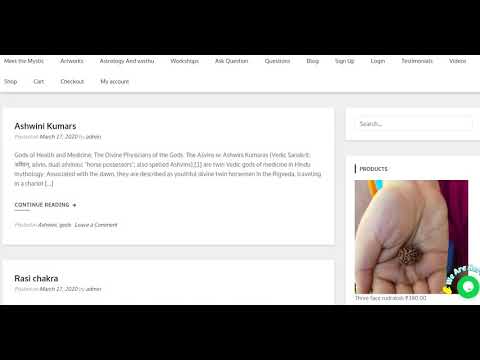 How To Use Arunsyoga.in Website More Effectively
 What Is OpenPinner And Why Should You Use It?
 Present Crypto Uncertainty
 Vedic Astrology Reading Series Episode No. 1 – Ben (tantrapunk.com)
 Unlock the Secrets of Tantra with Arun | Free Book & Readings








Leave a Reply