Introduction to Mudras
Mudras are ancient hand gestures used in yoga and tantra to promote spiritual growth, balance, and well-being. These powerful gestures have been used for centuries to seal and direct energy in the body, promoting a deeper connection with oneself and the universe. In this article, we will delve into the world of mudras, exploring their meanings, benefits, and spiritual significance.
What are Mudras?
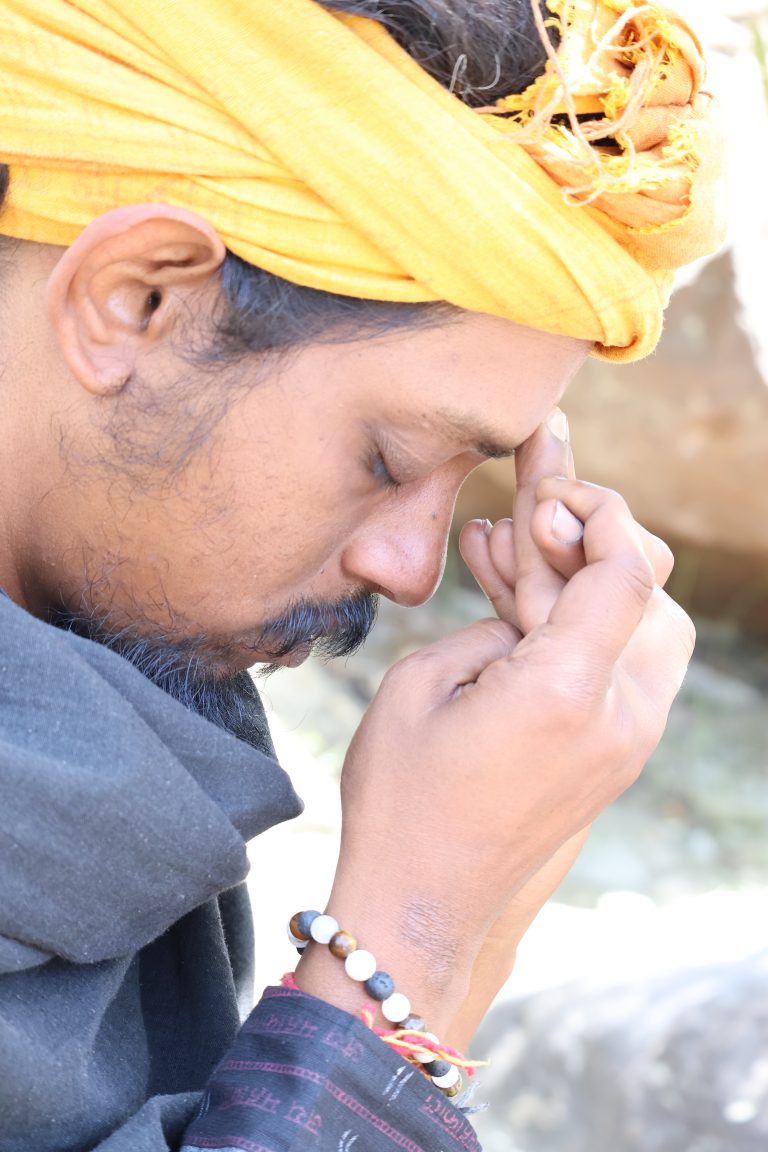
Mudras are specific hand positions that involve the fingers and thumbs, used to seal and direct energy in the body. They are often used in conjunction with breath control, meditation, and yoga postures to promote a deeper state of relaxation and awareness. Mudras can be practiced by anyone, regardless of age or ability, making them a accessible and inclusive practice for all.
Benefits of Mudras
The benefits of mudras are numerous and varied. Some of the most significant advantages of practicing mudras include:
- Reduced stress and anxiety
- Improved mood and emotional balance
- Enhanced focus and concentration
- Increased energy and vitality
- Improved sleep quality
Spiritual Significance of Mudras
Mudras hold a deep spiritual significance in yoga and tantra, representing a powerful tool for connecting with the divine and promoting spiritual growth. Each mudra is associated with a specific energy or intention, allowing practitioners to tap into and balance their inner energies. By practicing mudras, individuals can experience a deeper sense of connection with themselves and the universe, promoting a greater sense of purpose and meaning in life.
Common Mudras and Their Meanings
There are numerous mudras used in yoga and tantra, each with its own unique meaning and significance. Some of the most common mudras include:
- Gyan Mudra: known as the mudra of knowledge, this gesture is used to promote wisdom and intuition
- Prana Mudra: this mudra is used to balance the life force energy in the body, promoting vitality and well-being
- Vayu Mudra: this gesture is used to balance the air element in the body, promoting calmness and clarity
- Agni Mudra: this mudra is used to balance the fire element in the body, promoting energy and metabolism
- Varun Mudra: this gesture is used to balance the water element in the body, promoting fluidity and flexibility
Frequently Asked Questions
What is the purpose of mudras in yoga and tantra?
The purpose of mudras is to seal and direct energy in the body, promoting spiritual growth, balance, and well-being.
Can anyone practice mudras?
Yes, mudras can be practiced by anyone, regardless of age or ability, making them an accessible and inclusive practice for all.
How do I incorporate mudras into my practice?
Mudras can be incorporated into your practice by combining them with breath control, meditation, and yoga postures, or by practicing them on their own as a standalone technique.
Test Your Knowledge and Win Coupons to Get Discounts
Have a correction or improvement to suggest?
Log in or create a free accountRelated Videos

This is why mudras are the intense scientific way to work with energy.

Nakshatra Mudras.

Importance Of Mudras In Tantra Sadhana And Visualization

Yoni mudra.

Shanmughi mudra aka yoni mudra
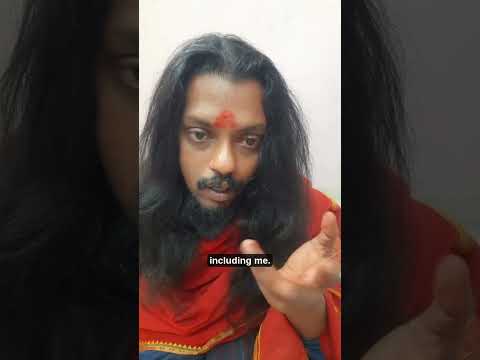
Importance of yoni mudra

Want to Learn Yoni Mudra?

Felicity feline sharing her experience with yoga. #meditation #tantra #yoga



Leave a Reply