Introduction to 50 Trisrota Shakti Peetha
At the 50 Trisrota Shakti Peetha, devotees worship Goddess Bhamari, a form of the divine feminine associated with protection and strength, as celebrated in various regional traditions.
Historical Significance
Each Shakti Peetha is believed to have originated from the mythological narrative of Sati’s self-immolation, as described in texts like the Shiva Purana and the Devi Bhagavata Purana, which detail the locations where her body parts fell, thus establishing their sacredness.
Worship and Deities
At the 50 Trisrota Shakti Peetha, devotees worship Goddess Bhamari and her companion, Bhairava Ambar. The temple, while less known to international tourists, is a significant pilgrimage site for those seeking spiritual enlightenment and connection with the divine feminine.
Cultural and Spiritual Practices
Engaging in meditation, yoga, and rituals at Shakti Peethas is rooted in the teachings of the Bhagavad Gita and other spiritual texts, which emphasize the importance of such practices in achieving spiritual enlightenment.
Tourism and Travel
Jalpaiguri, being a less traveled destination, offers a unique opportunity for those interested in exploring beyond the usual tourist trails. The region is rich in natural beauty, with opportunities for trekking, visiting tea gardens, and experiencing local Bengali culture.
- Best Time to Visit: The ideal time to visit Jalpaiguri is during the spring and autumn seasons when the weather is pleasant.
- Accommodation: A variety of accommodations are available, ranging from budget-friendly guesthouses to luxury hotels.
- Accessibility: The nearest airport is Bagdogra, and the city is well connected by rail and road.
Preservation Efforts
Efforts are being made to preserve the cultural and historical significance of the 50 Trisrota Shakti Peetha, including restoration projects and educational programs aimed at promoting awareness and respect for these sacred sites.
Frequently Asked Questions
What is the 50 Trisrota Shakti Peetha?
The 50 Trisrota Shakti Peetha is one of the 64 Shakthipeetha sites in Hinduism, located in Jalpaiguri, West Bengal.
Which part of Sati's body is believed to have fallen at the 50 Trisrota Shakti Peetha?
Sati’s left leg is believed to have fallen at the 50 Trisrota Shakti Peetha.
Who are the deities worshipped at the 50 Trisrota Shakti Peetha?
Goddess Bhamari and Bhairava Ambar are the deities worshipped at the 50 Trisrota Shakti Peetha.
The Role of Shakti Peethas in Hindu Worship
Shakti Peethas are integral to Hindu worship, with each site representing a unique aspect of the divine feminine. For example, the Kamakhya Shakti Peetha in Assam is revered for its association with fertility and the earth’s abundance, as detailed in the Kalika Purana.
Cultural Festivals at 50 Trisrota Shakti Peetha
Every year, the 50 Trisrota Shakti Peetha hosts various festivals, including Navaratri, where devotees participate in elaborate rituals and celebrations that honor the goddess. These festivals are deeply rooted in local traditions and are mentioned in regional folklore.
Local Legends and Folklore
Local legends surrounding the 50 Trisrota Shakti Peetha include stories of miraculous events attributed to Goddess Bhamari, which are passed down through generations in Bengali culture. These narratives often highlight the goddess’s protective nature and her role in the community.
Test Your Knowledge and Win Coupons to Get Discounts
Have a correction or improvement to suggest?
Log in or create a free accountRelated Videos

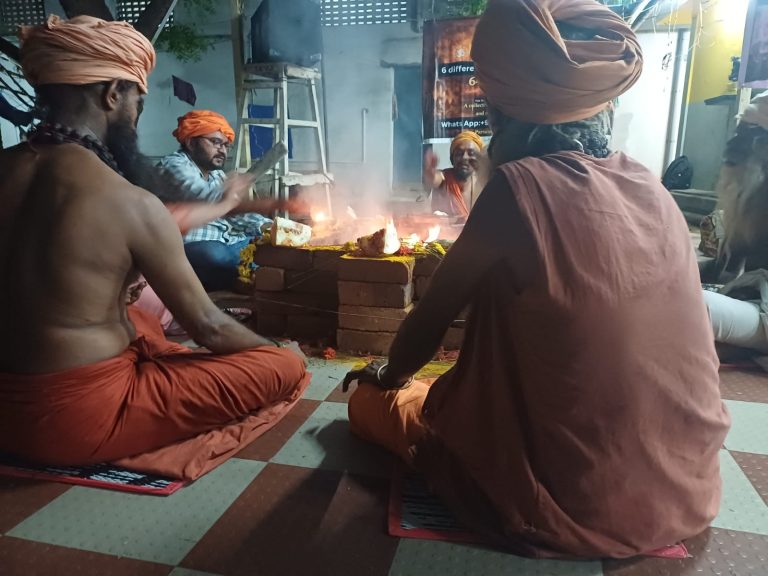
64 Shakti Peeth Havan – fourth Havan At Chamundi Hills mysore

Sacred Fire Journey: 64 Havans at 64 Shakti Peeths Explained

5th Havan of the 64 Shakti Peeth Havan — Srisailam

64 Shakti Peeth Havan – Third Havan at Kanyakumari

64 Shakti Peeth Havan – Second Havan in Kanchipuram

Shaktheyam is centred around feminine.

Worship in oriental concept is extremely diffrent from Semitic religions. Example Ram Mandir ayodhya

Deities can be in any form.







Leave a Reply