Introduction to Ujani Shakti Peetha
Located in the picturesque town of Guskara in West Bengal, the 45 Ujani Shakti Peetha is one of the 51 Shakti Peethas that are considered sacred in Hindu mythology. These Peethas are believed to be the sites where the body parts of the goddess Sati fell after she was dismembered by the Sudarshan Chakra of Lord Vishnu.
Historical Significance
Ujani Shakti Peetha is particularly significant because it is believed to be the site where Sati’s right wrist fell. The goddess worshipped here is known as Mangal Chandika, while the Bhairava is referred to as Kapilambar. The Peetha is a symbol of the feminine power and its importance in Hindu mythology cannot be overstated.
Mythological Background
The story behind the creation of the Shakti Peethas is both poignant and powerful. According to legend, Sati, the consort of Lord Shiva, immolated herself in the sacrificial fire after her father, Daksha, insulted her husband. Lord Shiva, grief-stricken, picked up Sati’s body and began the Tandava, the cosmic dance of destruction. To stop this dance and save the universe from destruction, Lord Vishnu used his Sudarshan Chakra to dismember Sati’s body, leading to the creation of the 51 Shakti Peethas.
Worship and Festivals
The Ujani Shakti Peetha is a site of great religious fervor, with devotees flocking to the temple to pay their respects to Mangal Chandika and Kapilambar. Various festivals are celebrated here throughout the year, each with its unique rituals and traditions. The most significant festival is the Navaratri, during which the goddess is worshipped in all her forms and manifestations.
- Navaratri: A nine-day festival dedicated to the worship of the divine feminine.
- Durga Puja: A celebration of the goddess Durga, who is considered an incarnation of Mangal Chandika.
- Shivaratri: A festival in honor of Lord Shiva, the consort of Sati.
Conclusion
The Ujani Shakti Peetha serves as a vital link to the cultural and religious heritage of the region, embodying the reverence for the divine feminine as expressed in texts like the Devi Bhagavata Purana.
Frequently Asked Questions
What is the significance of Ujani Shakti Peetha?
Ujani Shakti Peetha is significant because it is believed to be the site where Sati’s right wrist fell, and the goddess worshipped here is Mangal Chandika.
Where is Ujani Shakti Peetha located?
Ujani Shakti Peetha is located in Guskara, West Bengal.
What festivals are celebrated at Ujani Shakti Peetha?
The most significant festivals celebrated at Ujani Shakti Peetha include Navaratri, Durga Puja, and Shivaratri.
Local Rituals During Navaratri
During Navaratri, devotees perform specific rituals such as the recitation of the Durga Saptashati, which is a text from the Markandeya Purana, detailing the glory of the goddess Durga.
Local Traditions and Practices
Ujani Shakti Peetha is not only a pilgrimage site but also a center for local traditions. Devotees often engage in unique practices such as offering rice and flowers to Mangal Chandika, which are rooted in regional folklore and beliefs.
Test Your Knowledge and Win Coupons to Get Discounts
Have a correction or improvement to suggest?
Log in or create a free accountRelated Videos

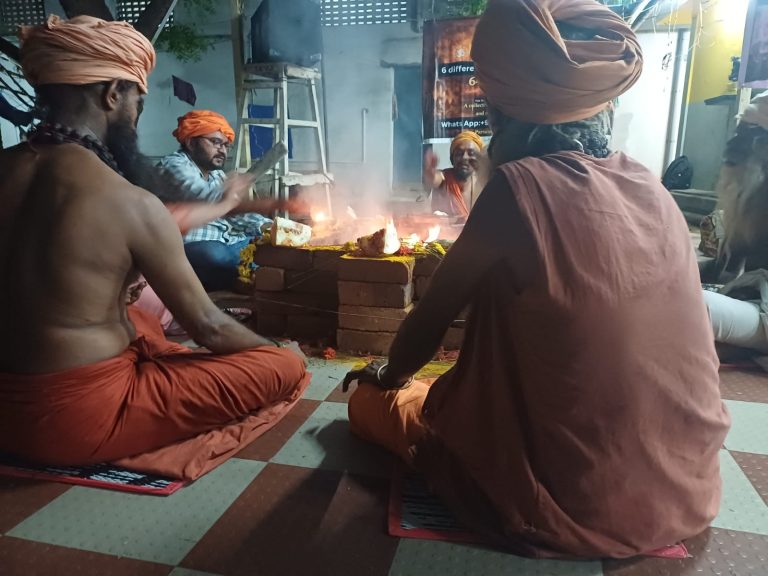
Sacred Fire Journey: 64 Havans at 64 Shakti Peeths Explained

64 Shakti Peeth Havan – fourth Havan At Chamundi Hills mysore

64 Shakti Peeth Havan – Third Havan at Kanyakumari

64 Shakti Peeth Havan – Second Havan in Kanchipuram

5th Havan of the 64 Shakti Peeth Havan — Srisailam

#3 -#9 Mangal: The Fiery Force of Willpower(Mars)

Shaktheyam is centred around feminine.

#153 Brahma is the lord of rohini. The intense creator. 4-27







Leave a Reply