Introduction
Chamundeshwari, also known as Chamundi, is a fierce form of the Divine Mother worshipped primarily in the city of Mysore, Karnataka. As an embodiment of Shakti, she stands at the crossroads of myth, history, and daily devotion, offering protection to the land and its people.
Mythic Origins
The most celebrated legend tells of the goddess slaying the demon Mahishasura, a buffalo‑headed tyrant who terrorised the heavens. According to the Devi Mahatmya, the gods combined their energies to create a warrior goddess who manifested as Chamundeshwari. After a fierce battle atop the hill now called Chamundi Hill, she beheaded the demon, symbolising the triumph of divine order over chaos.
Connection to Other Deities
Chamundeshwari is often linked with Durga, Kali and Parvati, sharing attributes of bravery and maternal protection. Yet, her regional flavor—rooted in the local geography and historic Mysore kingdom—gives her a distinct personality that devotees cherish.
The Temple on Chamundi Hill
Perched 1,000 metres above the city, the Chamundeshwari Temple is a pilgrimage magnet. Its architecture blends Dravidian and Vijayanagara styles, featuring a towering gopuram, intricately carved pillars, and a sanctum that houses a black stone idol of the goddess holding a trident, a sword and a lotus.
Every year, thousands ascend the 1,000‑step staircase—known as the Gopura steps—to offer prayers, especially during the annual Navaratri festival when the hill glows with lamps and devotional chants.
Rituals and Worship Practices
Devotees begin their visit by sprinkling water from the sacred pond at the base of the hill, symbolising purification. Inside the sanctum, the priest performs the abhisheka, bathing the idol with milk, honey, and sandalwood paste. Offerings of red flowers, jaggery, and coconut are customary, reflecting the goddess’s fiery yet nurturing nature.
Special rituals include the Chamundi Japa, a repetitive chanting of the goddess’s name, believed to remove obstacles and bring prosperity.
Iconography and Symbolism
The statue depicts Chamundeshwari with four arms, each holding a weapon bestowed by the gods—signifying the combined divine powers she wields. Her posture is dynamic, one foot stepping on the defeated Mahishasura, reminding worshippers of the perpetual battle between good and evil.
Her dark complexion contrasts with the bright gold ornaments, representing the union of darkness (the unknown) and light (spiritual insight).
Festivals and Cultural Impact
During Navaratri, the temple hosts a series of cultural programs, including classical dance performances that dramatise the goddess’s victory. The Chamundi Jatra attracts artisans from across Karnataka, who sell hand‑crafted idols, incense, and traditional sweets.
Beyond religious rites, Chamundeshwari has inspired literature, folk songs, and even modern cinema, reinforcing her status as a cultural anchor for Mysore and the surrounding regions.
Why She Matters Today
In contemporary times, Chamundeshwari serves as a symbol of resilience for the people of Mysore. Whether it is a businessperson seeking courage before a venture or a student praying for success, the goddess’s fierce yet compassionate presence offers a source of strength.
Her hill remains a green sanctuary, encouraging eco‑tourism and reminding visitors that spiritual devotion and environmental stewardship can coexist.
Frequently Asked Questions
What demon did Chamundeshwari defeat according to legend?
Mahishasura
Where is the Chamundeshwari Temple located?
Chamundi Hill in Mysore
Which festival sees the largest gathering at the Chamundeshwari Temple?
Navaratri
What is the primary material of Chamundeshwari's idol?
Black stone
Test Your Knowledge and Win Coupons to Get Discounts
Have a correction or improvement to suggest?
Log in or create a free accountRelated Videos

packing prasad to everyone who has contributed on srisailam havan.

Jogulamba Temple The Next Havan location 6th of 64

5th Havan of the 64 Shakti Peeth Havan — Srisailam

Fifth havan out of 64 in srisailam.

At India's largest tiger reserve getting ready for our fifth havan. all are welcome

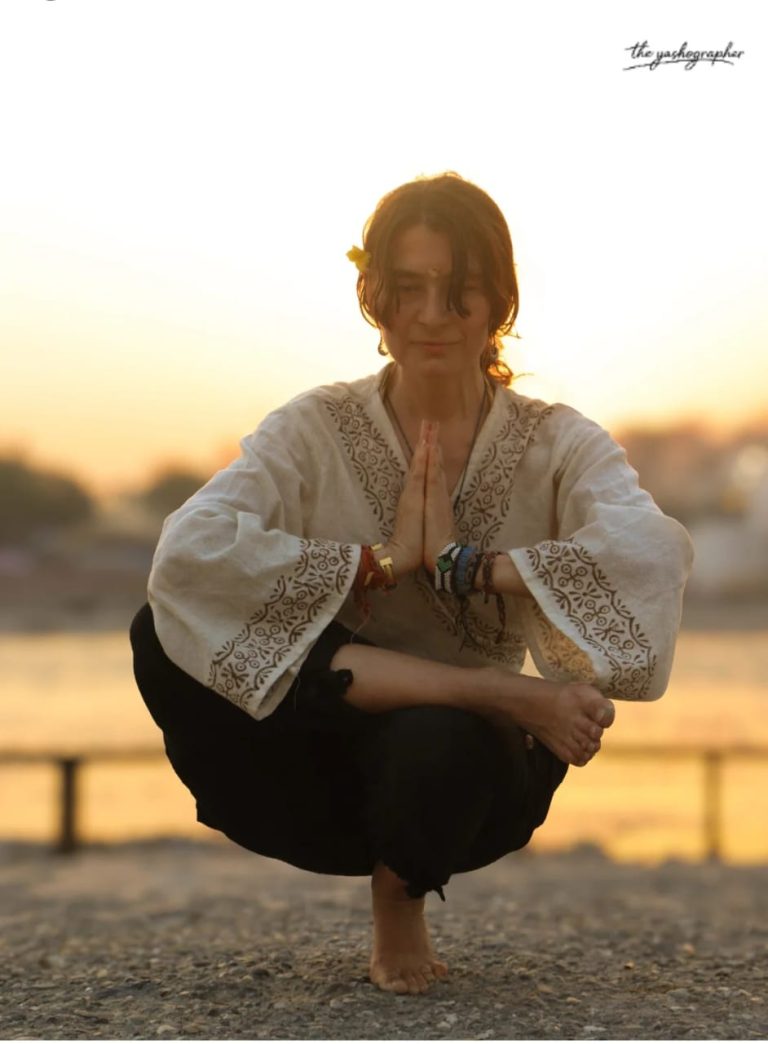
Pvt group initiation into yoni mudra and tantra @mysore.

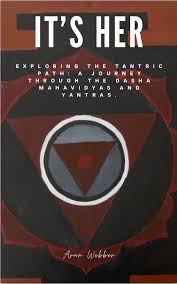
Kali yantra bags are available

Tantrik workshop with satyama





Leave a Reply