Who is Chamunda?
Chamunda, also known as Chamundeshwari, is one of the ten Mahavidyas, the fierce aspects of the Divine Mother in Hindu Tantra. She embodies the destructive power needed to eradicate ignorance, disease, and evil forces. While other Mahavidyas display grace or beauty, Chamunda is often portrayed as a skeletal, ash‑covered figure, reminding devotees of the impermanence of worldly life.
Mythological Origins
According to the Devi Mahatmya, Chamunda emerged when the goddess Durga pursued the demon Chanda and Munda. After slaying them, she beheaded the two and drank their blood, earning the name Chamunda (Cha‑Munda). Some regional legends add that she also vanquished the demon Raktabija, whose blood spawned new demons; Chamunda’s fierce consumption of blood prevented this.
Iconography and Symbolism
Typical depictions show Chamunda standing on a corpse, often a corpse of a demon or a human skull, holding a trident, sword, or skull‑cup. Her skin is smeared with ash, symbolising the ashes of the ego that must be burned away. The following attributes are common:
- Four arms holding weapons that represent the ability to cut through illusion.
- Garland of skulls signifying the cycle of birth and death.
- Standing on a corpse that signifies the defeat of the ego.
- Dark complexion, reflecting her role as the night‑time protector.
Chamunda in Worship and Rituals
Devotees approach Chamunda with reverence and fear, often performing nisha‑pana (night vigils) and offering red flowers, animal sacrifice (where permitted), or symbolic items like red chilies. The chanting of the Chamunda mantra – “Om Hreem Chamundayai Namaha” – is believed to remove deep‑seated negativity. Temples dedicated to her, such as the famous Chamundeshwari Temple on Chamundi Hill in Mysore, become pilgrimage centers during the Navaratri festival.
Chamunda’s Place Among the Mahavidyas
Within the Mahavidya system, Chamunda occupies the third position after Kali and Tara. While Kali represents raw, unbounded destruction, Chamunda channels that energy specifically toward the eradication of particular demonic forces. Her relationship with the other Mahavidyas illustrates a progressive path: from the abstract terror of Kali, through the focused wrath of Chamunda, to the compassionate wisdom of Saraswati.
Modern practitioners view Chamunda not only as a fearsome deity but also as a symbol of inner transformation. By confronting her image, seekers learn to face their own shadows, turning terror into liberation.
Frequently Asked Questions
What does Chamunda’s name signify?
It combines the names of the demons Chanda and Munda whom she killed.
Which festival features major celebrations for Chamunda?
Navaratri, especially the ninth day (Maha Ashtami).
What is the primary mantra used to invoke Chamunda?
Om Hreem Chamundayai Namaha.
In which Indian state is the famous Chamundeshwari Temple located?
Karnataka.
Which Mahavidya precedes Chamunda in the traditional order?
Kali.
Chamunda's Role in Regional Festivals
In Himachal Pradesh, the Chamunda Devi temple is a significant pilgrimage site where devotees celebrate the festival of Navaratri with great fervor, highlighting her importance in local traditions.
Regional Significance of Chamunda
Chamunda is revered in various regions of India, particularly in Himachal Pradesh, where the Chamunda Devi Temple serves as a major pilgrimage site. Devotees celebrate her with rituals and festivals that vary by locality, emphasizing her role in regional cultures.
Test Your Knowledge and Win Coupons to Get Discounts
Have a correction or improvement to suggest?
Log in or create a free accountRelated Videos

Navaratri day 1 havan for devi shailaputri.

packing prasad to everyone who has contributed on srisailam havan.

Jogulamba Temple The Next Havan location 6th of 64

5th Havan of the 64 Shakti Peeth Havan — Srisailam

Fifth havan out of 64 in srisailam.

At India's largest tiger reserve getting ready for our fifth havan. all are welcome

Pvt group initiation into yoni mudra and tantra @mysore.

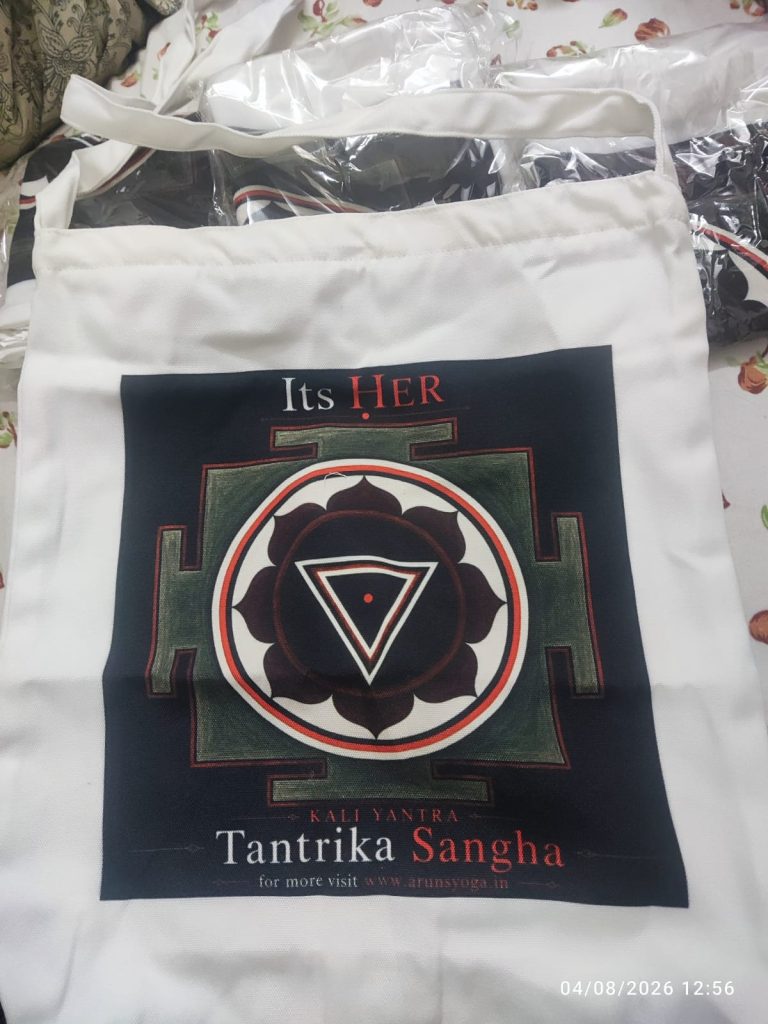
Kali yantra bags are available
Most Viewed Videos


Last updated: October 11, 2026





Leave a Reply