Introduction
Narasimhi is a lesser‑known yet powerful goddess who embodies the feminine energy that balances the fierce lion‑man avatar of Vishnu, Narasimha. While Narasimha represents the protective, destructive aspect of the divine, Narasimhi complements him with nurturing strength, often depicted as his consort or counterpart in regional traditions.
Mythological Origins
The earliest references to Narasimhi appear in the Markandeya Purana and later in regional texts of South India. According to these sources, when Narasimha emerged from the pillar to slay the demon Hiranyakashipu, the cosmic balance required an equally potent feminine presence. Narasimhi was therefore invoked to calm the raging energy of Narasimha, restoring dharma without further chaos.
In some legends she is described as an aspect of the Great Mother, Adi Shakti, who takes the form of a lioness to mirror the lion‑man form of Narasimha. This duality underscores the Hindu principle that creation and destruction are two sides of the same divine coin.
Iconography and Symbols
Statues of Narasimhi often portray her seated on a lotus, holding a sword or a trident, and wearing a crown of flames. The lotus symbolizes purity emerging from chaos, while the weapon signifies her role as a protector against evil forces. Her complexion is frequently depicted as a radiant golden hue, reflecting the sun’s life‑giving energy.
Worship Practices
Devotees honor Narasimhi in temples that also house Narasimha, especially in Karnataka, Tamil Nadu, and Andhra Pradesh. Rituals typically include abhisheka (sacred bathing), chanting of the Narasimhi Stotra, and offering of red flowers, which are associated with courage and devotion.
During the month of Chaitra, a special festival called Narasimhi Puja is observed. The deity is taken in a procession, and devotees light oil lamps to invoke her protective presence for the coming year.
Relationship with Other Goddesses
Narasimhi shares attributes with goddesses such as Durga, Kali, and Parvati, yet she remains distinct through her specific connection to Narasimha. While Durga battles the demon Mahishasura, Narasimhi’s myth focuses on tempering the raw fury of a divine avatar, illustrating a nuanced aspect of feminine divinity.
Modern Relevance
In contemporary spiritual circles, Narasimhi is invoked for inner strength, especially by those facing overwhelming challenges. Her worship encourages balance—channeling fierce determination while maintaining compassion. Many yoga and meditation teachers incorporate her mantra, “Om Narasimhi Namaha,” to foster resilience.
Conclusion
Understanding Narasimhi enriches the broader tapestry of Hindu mythology, revealing how the divine feminine operates not only as a creator but also as a vital counterforce to divine wrath. By honoring her, practitioners tap into a source of protection that is both fierce and nurturing.
Frequently Asked Questions
What primary text first mentions Narasimhi?
Markandeya Purana
Which animal symbol is most closely linked to Narasimhi’s iconography?
Lotus
During which Hindu month is the Narasimhi Puja celebrated?
Chaitra
What mantra is commonly recited to invoke Narasimhi?
Om Narasimhi Namaha
Test Your Knowledge and Win Coupons to Get Discounts
Have a correction or improvement to suggest?
Log in or create a free accountRelated Videos

Navaratri day 1 havan for devi shailaputri.

packing prasad to everyone who has contributed on srisailam havan.

Jogulamba Temple The Next Havan location 6th of 64

5th Havan of the 64 Shakti Peeth Havan — Srisailam

Fifth havan out of 64 in srisailam.

At India's largest tiger reserve getting ready for our fifth havan. all are welcome

Pvt group initiation into yoni mudra and tantra @mysore.

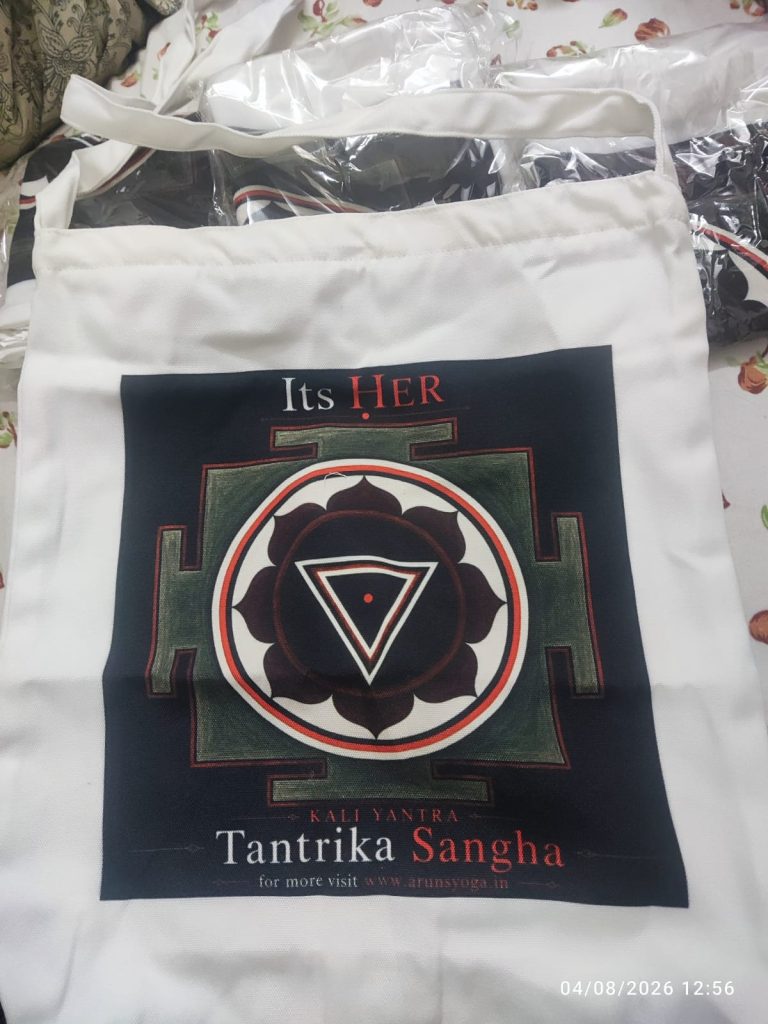
Kali yantra bags are available









Leave a Reply