Introduction to Jayanti Shakti Peetha
Jayanti Shakti Peetha is recognized as a pilgrimage site due to its association with the Shakti Peetha tradition, as detailed in texts like the Shiva Purana and Devi Bhagavata Purana, which emphasize the importance of these sites in Hindu worship.
Historical and Mythological Significance
The origin of the Shakti Peethas is described in various texts, including the Shiva Purana and Devi Bhagavata Purana, which narrate the story of Sati’s self-immolation and Shiva’s subsequent grief. It is said that Lord Vishnu used his Sudarshana Chakra to cut Sati’s corpse into 51 pieces, which fell at different locations, leading to the establishment of the Shakti Peethas, each representing a fragment of the divine feminine.
Jayanti Shakti Peetha, being one of these sites, attracts a multitude of pilgrims and enthusiasts of Hindu mythology. The Peetha is nestled amidst the serene and lush landscapes of the Jaintia Hills, offering not only a spiritual experience but also an opportunity to connect with nature.
Worship and Festivals
The worship of Goddess Jayanti and Bhairava Kramadishwar is deeply rooted in the local culture. Devotees offer prayers and perform rituals, seeking the divine blessings of the deities. The Peetha is especially vibrant during festivals and special occasions, where local communities come together to celebrate with traditional dances, songs, and offerings.
Conservation and Tourism
Efforts have been made to conserve the natural beauty and cultural heritage of the Jaintia Hills, including the Jayanti Shakti Peetha. Tourism in the area is on the rise, with visitors drawn to the unique blend of spirituality, natural beauty, and cultural richness. However, sustainable tourism practices are crucial to preserve the delicate balance of the environment and the local way of life.
- The Jayanti River, a significant landmark near the Peetha, offers scenic views and opportunities for trekking and exploration.
- The local markets are a treasure trove of handicrafts and traditional items, reflecting the artisanal skills of the community.
- Cultural performances, such as traditional dances and music, can be experienced during festivals or at local cultural centers.
Conclusion
Jayanti Shakti Peetha is a testament to the enduring legacy of Hindu mythology and the power of the divine feminine. It stands not only as a place of worship but also as a bridge connecting the past with the present, embracing the natural beauty of Meghalaya and the cultural depth of its people.
Frequently Asked Questions
What is the significance of Jayanti Shakti Peetha?
Jayanti Shakti Peetha is significant because it is one of the 68 Shakti Peethas where Sati’s left thigh is believed to have fallen, making it a revered site for Hindu pilgrims.
Where is Jayanti Shakti Peetha located?
Jayanti Shakti Peetha is located in the Jaintia Hills of Meghalaya.
Who is worshipped in Jayanti Shakti Peetha?
The Goddess Jayanti and the Bhairava Kramadishwar are worshipped in Jayanti Shakti Peetha.
The Story of Sati and Shiva
The tale of Sati’s sacrifice and Shiva’s mourning is elaborated in the Shiva Purana and Devi Bhagavata Purana, where it describes how her body was dismembered and scattered across the earth, giving rise to the Shakti Peethas. This narrative underscores the significance of each site as a representation of the divine feminine energy.
Historical Context of Shakti Peethas
The Shakti Peethas have a rich historical context rooted in ancient texts. The Shiva Purana and Devi Bhagavata Purana provide accounts of the cosmic dance of Shiva and the dismemberment of Sati, which led to the establishment of these sacred sites. Each Peetha represents a unique aspect of the goddess and is associated with specific rituals and beliefs.
Test Your Knowledge and Win Coupons to Get Discounts
Have a correction or improvement to suggest?
Log in or create a free accountRelated Videos

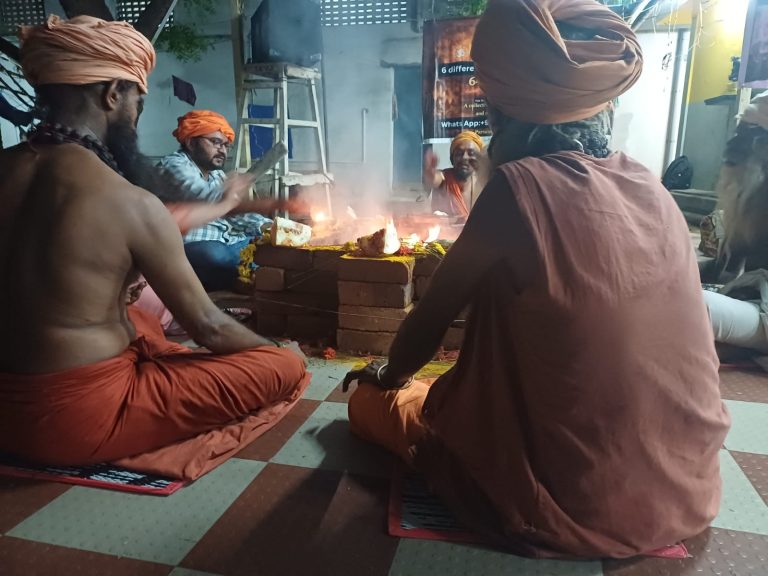
64 Shakti Peeth Havan – fourth Havan At Chamundi Hills mysore

64 Shakti Peeth Havan – Third Havan at Kanyakumari

64 Shakti Peeth Havan – Second Havan in Kanchipuram

5th Havan of the 64 Shakti Peeth Havan — Srisailam

Sacred Fire Journey: 64 Havans at 64 Shakti Peeths Explained

Cultural insight individualisms and spirituality in America

Worship in oriental concept is extremely diffrent from Semitic religions. Example Ram Mandir ayodhya

Shaktheyam is centred around feminine.







Leave a Reply