Who Is Dhatri in Vedic Tradition?
Dhatri, sometimes rendered as Dhatri or Dhata, appears in the earliest Vedic hymns as the divine supporter of the world. The name derives from the Sanskrit root dhṛ, meaning “to hold” or “to sustain.” In the Rig‑Veda, Dhatri is invoked as the one who upholds the heavens, the earth, and all living beings, ensuring the stability of the cosmic order.
Mythological Roles and Symbolism
Unlike more anthropomorphic gods such as Indra or Agni, Dhatri is often described in abstract terms, emphasizing function over form. He is associated with:
- The maintenance of natural cycles, especially the day‑night rhythm.
- The binding force behind social contracts and moral duties.
- The hidden power that keeps the universe from descending into chaos.
Guardian of Cosmic Order
Vedic scholars interpret Dhatri as a personification of ṛta—the principle of cosmic truth and order. When the hymns plead for stability during times of drought or war, they frequently address Dhatri, asking him to reinforce the invisible threads that hold reality together.
Rituals and Worship Practices
Historical evidence suggests that Dhatri was not a primary focus of large‑scale temple worship, but his presence is felt in many rites that aim to preserve harmony.
- During the Agnihotra fire ceremony, practitioners recite verses that acknowledge Dhatri’s role in sustaining the sacrificial flame.
- In household puja, a simple offering of milk or water is accompanied by a mantra invoking Dhatri’s protective aspect.
- Seasonal festivals that celebrate the return of the monsoon often include prayers to Dhatri for continued balance between water and fire.
These practices underscore a pragmatic reverence: Dhatri is called upon when stability is needed, rather than for personal gain.
Connections with Other Deities
Dhatri’s portfolio overlaps with several other Vedic figures. He is sometimes identified with Vishnu in later texts, where the role of sustainer becomes more personalized. In the Brahmanas, Dhatri is linked to Prajaapati, the lord of creation, highlighting a shared responsibility for the ongoing existence of all beings. Moreover, the later Purāṇic tradition merges Dhatri’s abstract qualities into the concept of Mahadeva, the great god who embodies both creation and preservation.
Why Modern Practitioners Still Honor Dhatri
In contemporary Vedic study groups, Dhatri is invoked during meditative sessions that focus on grounding and resilience. By visualizing Dhatri’s supportive energy, practitioners aim to align themselves with the universal principle of steadiness, fostering mental clarity and ethical consistency.
In sum, Dhatri may not dominate mythic narratives, but his subtle presence permeates Vedic thought. Recognizing his function enriches our understanding of how ancient sages conceptualized the invisible scaffolding that holds the cosmos together.
Frequently Asked Questions
What does the name Dhatri literally mean?
It comes from the root ‘dhṛ’, meaning ‘to hold’ or ‘to sustain’.
Which Vedic text mentions Dhatri most prominently?
The Rig‑Veda contains the earliest hymns invoking Dhatri.
How is Dhatri related to the concept of ṛta?
He personifies ṛta, the principle of cosmic order and truth.
Which later deity is Dhatri often associated with?
Vishnu, especially in post‑Vedic texts that emphasize preservation.
Test Your Knowledge and Win Coupons to Get Discounts
Have a correction or improvement to suggest?
Log in or create a free accountRelated Videos

The Role Of Tantra In Empowering Women – Vedic Reading Series Episode No. 8, Part 2

It is important to think in abstract way to understand abstract thought.

Fundamentals Of Vedic Astrology -1 (Qualities Of Nakshatras)

Asuras are not daemons they are not scared of gods rather they worship gods.

The Esoterism Of Tantric Enlightenment In World Religions – Vedic Reading Series Episode No. 5

Fundamentals Of Vedic Astrology -4 (Nakshtras Qualities and Symbolism)

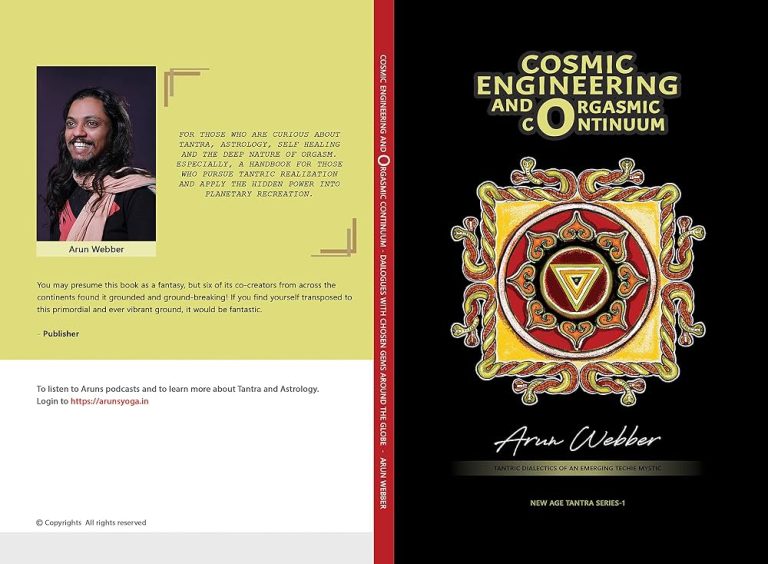
Decoding Tantra, Astrology,Self-Healing: Insights from 'Cosmic Engineering and Orgasmic Continuum-4

Flat Earth, Aliens, Jesus and Shiva – Vedic Reading Series Episode No. 20 with Anthony Hoyes









Leave a Reply