Who Is Vamadeva?
Vamadeva (also rendered as Vamadeva) is a prominent figure in the Vedic pantheon, often identified as one of the eleven Prajaapatis—the progenitors of the world. He appears in the Rigveda as a divine poet, a sage‑like deity who chants hymns that articulate the creative force of the universe.
Mythological Origins
According to Vedic literature, Vamadeva is the son of Marichi and the brother of other notable sages such as Kashyapa and Vishnu. The name itself is a compound of “Vama” (left) and “Deva” (god), suggesting a balance between the left‑hand (creative) and right‑hand (preservative) aspects of divinity. In certain Puranic accounts, he is presented as a manifestation of Vishnu’s left arm, symbolizing the creative impulse that drives the cosmos.
Lineage and Family
- Father: Marichi, a mind‑born sage.
- Mother: Often unnamed, but sometimes identified as a personification of the night sky.
- Siblings: Kashyapa, Atri, and other Prajapatis who together seed the world.
Roles in Vedic Rituals
Vamadeva’s hymns are integral to the Agni (fire) sacrifice. His verses are recited to invoke the creative power that sustains the offering, ensuring that the ritual aligns with the cosmic order (Rta). Practitioners also chant his name during the Prashna rituals, where seekers request divine insight.
In the Yajurveda, Vamadeva is credited with the “Vamadeva Suktas,” a series of verses that praise the primal sound (Shabda) from which all creation emerges. These suktas are still taught in traditional Vedic schools as models of precise meter and spiritual depth.
Philosophical Significance
The philosophical layer of Vamadeva’s identity lies in his embodiment of Vam, the left side associated with intuition, imagination, and the subtle aspects of consciousness. While many deities emphasize external power, Vamadeva invites practitioners to explore the inner creative spark that fuels personal transformation.
His teachings intersect with the concept of Satya (truth) and Sukha (bliss). By chanting his hymns, devotees aim to align their inner rhythm with the universal vibration, a practice that mirrors modern mindfulness techniques.
Worship Practices Today
Contemporary worship of Vamadeva varies across regions. In parts of South India, a small altar (mandir) may feature a brass statue holding a lotus, symbolizing the emergence of purity from the left‑handed creative flow. Devotees offer pushpanjali (flower offerings) and recite the Vamadeva Suktas during full‑moon evenings.
Many modern Vedic schools incorporate his verses into daily sandhya (twilight) prayers, emphasizing the balance between intellectual study and creative expression. Online platforms now provide guided chants, allowing a global audience to experience his resonant energy.
Frequently Asked Questions
What is the primary function of Vamadeva in Vedic hymns?
He serves as the divine poet who articulates the creative force behind the universe.
Which Vedic text contains the Vamadeva Suktas?
The Yajurveda.
How is Vamadeva related to the concept of "Vam" (left) in Hindu symbolism?
He embodies the intuitive and creative aspects associated with the left side.
In what type of ritual is Vamadeva most commonly invoked?
The Agni (fire) sacrifice.
Test Your Knowledge and Win Coupons to Get Discounts
Have a correction or improvement to suggest?
Log in or create a free accountRelated Videos

packing prasad to everyone who has contributed on srisailam havan.

Jogulamba Temple The Next Havan location 6th of 64

5th Havan of the 64 Shakti Peeth Havan — Srisailam

Fifth havan out of 64 in srisailam.

At India's largest tiger reserve getting ready for our fifth havan. all are welcome

Pvt group initiation into yoni mudra and tantra @mysore.

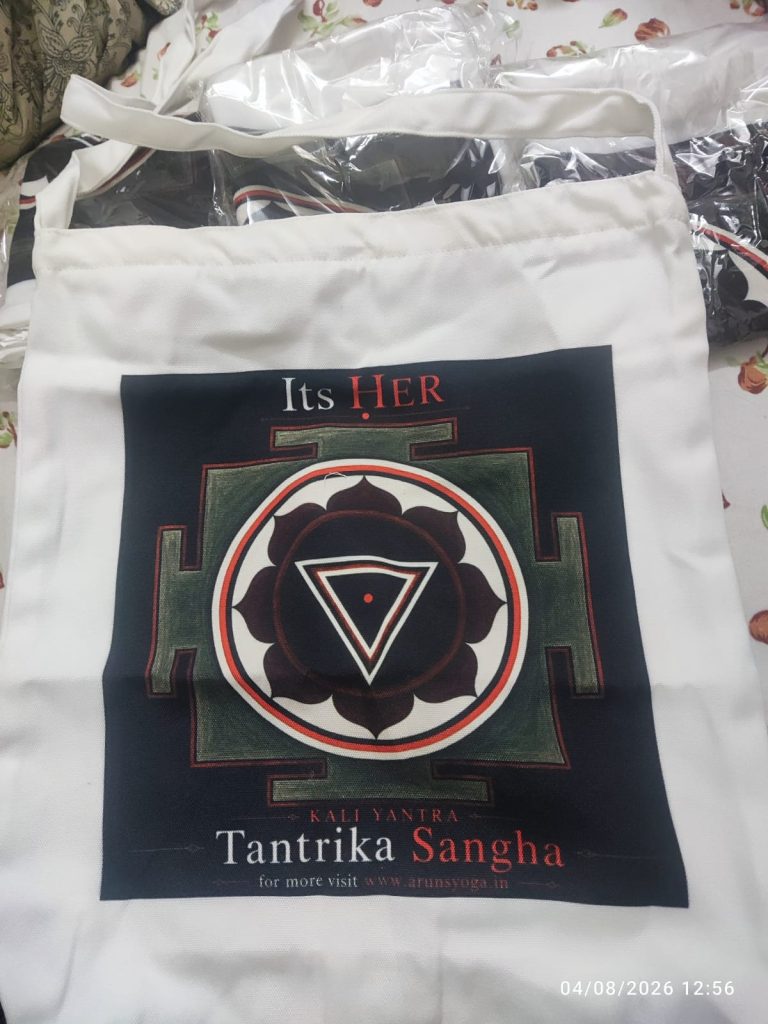
Kali yantra bags are available

Tantrik workshop with satyama






Leave a Reply