Introduction to Vishalakshi
Vishalakshi, whose name means “the one with wide eyes,” is revered as a manifestation of the Divine Mother in the Shakti tradition of Hinduism. While she shares attributes with other forms of Parvati and Durga, Vishalakshi is especially celebrated in the southern regions of India for her compassion and protective grace.
Mythological Origins
According to the Shakti Purana, Vishalakshi emerged from the tears of Shiva after the death of his beloved Sati. Her expansive eyes symbolize her all‑seeing nature, capable of perceiving the suffering of every devotee. Legends also link her to the famed Shakti Peethas, where her sacred foot is believed to have fallen, sanctifying the site.
Connection with Other Forms
Vishalakshi is often identified with Kamakshi of Kanchipuram and Meenakshi of Madurai, forming a triad of compassionate goddesses who guide seekers toward inner liberation.
Iconography and Symbolism
Statues of Vishalakshi typically depict her with:
- Wide, almond‑shaped eyes that convey vigilance.
- A gentle smile indicating benevolence.
- Four arms holding a lotus, a trident, a book, and a conch.
- Elegant silken garments dyed in shades of blue and gold.
The lotus represents purity, the trident denotes her power over the three worlds, the book signifies wisdom, and the conch announces the call to spiritual awakening.
Major Temples and Pilgrimage Sites
Key shrines dedicated to Vishalakshi include:
- Vishalakshi Temple, Varanasi – nestled along the Ganges, this ancient shrine attracts thousands during Navaratri.
- Vishalakshi Amman Temple, Chennai – known for its vibrant Alankar festivals.
- Vishalakshi Devi Temple, Mysore – celebrated for its annual Vishalakshi Jayanthi procession.
Each temple offers a distinct ritual experience, yet all emphasize compassion, healing, and the removal of obstacles.
Rituals, Festivals, and Daily Worship
Devotees perform abhishekam (ritual bathing) with milk, honey, and rose water, believing the deity’s blessings cleanse both body and mind. Major festivals include:
- Navaratri – nine nights of chanting Vishalakshi’s mantra “Om Aim Hrim Vishalakshiye Namaha.”
- Vishalakshi Jayanthi – celebrates her birth with special poojas and community feasts.
- Mahashivaratri – highlights her inseparable bond with Shiva.
Daily worship often involves lighting a lamp, offering fresh flowers, and reciting the Vishalakshi Ashtottara Shatanamavali, a list of 108 names.
Vishalakshi in Literature and Arts
Classical Tamil poetry frequently praises Vishalakshi’s boundless compassion. In the 12th‑century work Vishalakshi Mahatmya, poet‑saints describe her as the “mother who sees every tear.” Dance forms such as Bharatanatyam feature a dedicated alankaara piece portraying her benevolent gaze.
Why Her Worship Remains Relevant Today
In an era of rapid change, Vishalakshi’s emphasis on empathy offers a spiritual anchor. Her wide eyes remind seekers to look beyond personal concerns, fostering communal harmony and inner peace.
Conclusion
Vishalakshi stands as a testament to the nurturing aspect of Shakti. Whether visited in the bustling streets of Chennai or meditated upon in quiet study, her presence continues to inspire compassion, wisdom, and steadfast devotion.
Frequently Asked Questions
What does the name Vishalakshi mean?
It means ‘the one with wide eyes.’
Which major festival is primarily associated with Vishalakshi?
Navaratri.
In which city is the ancient Vishalakshi Temple located along the Ganges?
Varanasi.
What are the four items commonly held in Vishalakshi’s hands?
Lotus, trident, book, and conch.
Test Your Knowledge and Win Coupons to Get Discounts
Have a correction or improvement to suggest?
Log in or create a free accountRelated Videos

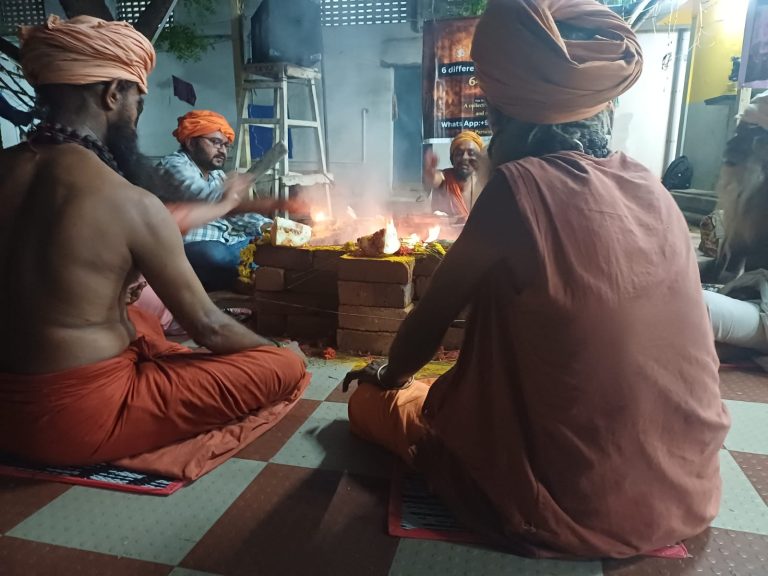
packing prasad to everyone who has contributed on srisailam havan.

Jogulamba Temple The Next Havan location 6th of 64

5th Havan of the 64 Shakti Peeth Havan — Srisailam

Fifth havan out of 64 in srisailam.

At India's largest tiger reserve getting ready for our fifth havan. all are welcome

Pvt group initiation into yoni mudra and tantra @mysore.

Kali yantra bags are available

Tantrik workshop with satyama







Leave a Reply