Introduction to Apa
In Hindu cosmology, Apa is revered as the personification of water, the essential element that purifies both the body and the soul. While not as prominently featured as major gods, Apa occupies a crucial niche in ritual literature, especially in the context of snana (bathing) and tirtha (pilgrimage) ceremonies.
Mythological Origins
Early Vedic hymns reference Apa as a divine current that cleanses the universe. The Rigveda describes the waters as a motherly force that washes away impurity, and later texts such as the Mahabharata and Puranas elaborate on Apa’s role as a facilitator of karmic reset.
Key Legends
- In the Shiva Purana, Apa assists Lord Shiva in the ritual of abhisheka, pouring sacred water over the deity’s lingam.
- The story of the sage Vashistha recounts how he invoked Apa to cleanse a cursed forest, restoring its fertility.
Vedic Cleansing Rituals Involving Apa
During the Vedic period, water rites were central to daily and seasonal rites. The most notable practices include:
- Agni Snana: A combined fire‑water ceremony where participants bathe in river water before offering to the fire altar.
- Ritual Bath of the Gods: Priests would sprinkle Apa‑infused water on idols to symbolize divine purity.
Each ritual invokes Apa’s blessing through specific mantras, emphasizing that water is not merely physical but also spiritual.
Transition to Post‑Vedic Practices
As Hinduism evolved, Apa’s presence persisted in more elaborate forms. The post‑Vedic era introduced temple tanks (pushkarini) and pilgrimage sites centered around sacred springs. Pilgrims perform tirtha yatra, walking from one water source to another, believing that each dip under Apa’s auspices erases past sins.
Regional Variations
In South India, the Kumbh Mela showcases massive congregations at riverbanks where Apa is invoked through collective chants. In the Himalayan regions, glacial meltwater is treated as the purest manifestation of Apa, used in high‑altitude rites.
Symbolic Significance of Apa
The symbolism of Apa extends beyond literal cleansing. It represents:
- Renewal: Just as rain rejuvenates the earth, Apa renews the spiritual landscape of the devotee.
- Truth: Clear water reflects truth, urging practitioners to confront inner falsehoods.
- Unity: Water’s ability to take any shape mirrors the inclusive nature of Hindu worship.
These themes are woven into hymns, chants, and artistic depictions throughout Hindu art.
Contemporary Relevance
Modern yoga studios and wellness centers often reference Apa when designing detox programs. While the scientific basis differs, the underlying principle—purifying the body to calm the mind—remains faithful to ancient teachings.
In urban temples, digital water dispensers now deliver Apa‑blessed water during livestreamed ceremonies, ensuring that even distant devotees can partake in the cleansing experience.
Frequently Asked Questions
What does the name 'Apa' literally mean?
It means ‘water’ in Sanskrit.
Which Vedic ritual specifically combines fire and water?
Agni Snana.
How are temple tanks related to Apa?
They are considered sacred reservoirs where Apa’s purifying power is concentrated.
Test Your Knowledge and Win Coupons to Get Discounts
Have a correction or improvement to suggest?
Log in or create a free accountRelated Videos

packing prasad to everyone who has contributed on srisailam havan.

Jogulamba Temple The Next Havan location 6th of 64

5th Havan of the 64 Shakti Peeth Havan — Srisailam

Fifth havan out of 64 in srisailam.

At India's largest tiger reserve getting ready for our fifth havan. all are welcome

Pvt group initiation into yoni mudra and tantra @mysore.

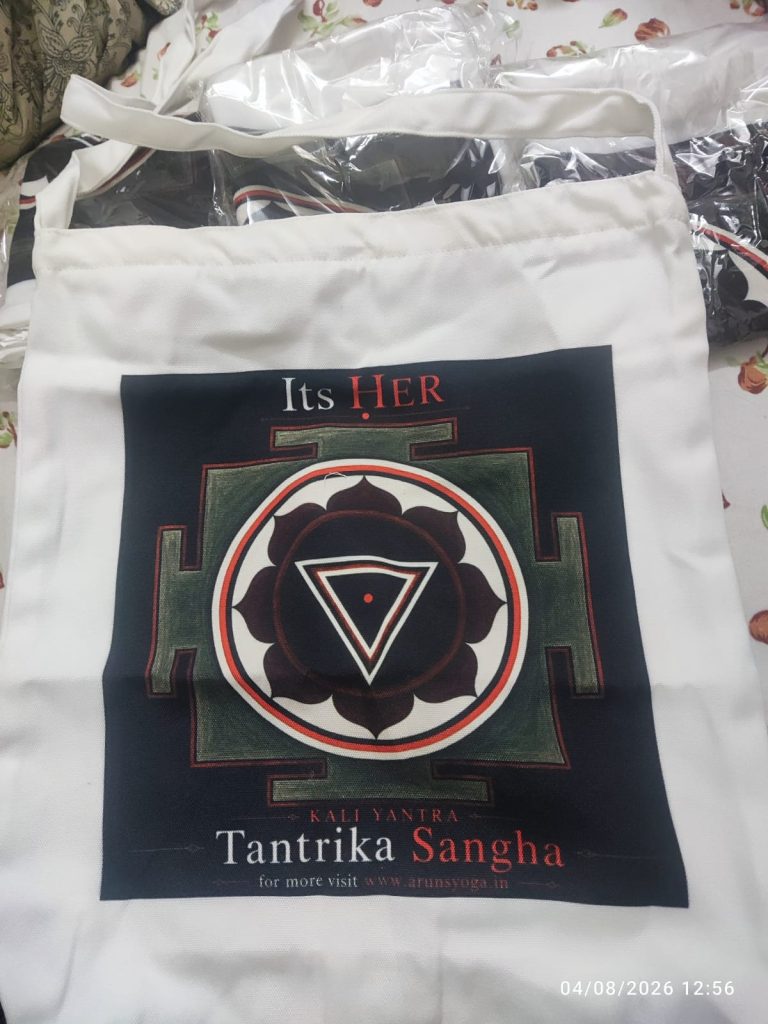
Kali yantra bags are available

Tantrik workshop with satyama






Leave a Reply