Who is Janardana?
Janardana is one of the many names of Lord Vishnu, emphasizing his role as the protector and benefactor of all living beings. The epithet appears throughout the Vedas, Puranas, and devotional literature, highlighting a facet of Vishnu that is deeply compassionate, ever‑watchful, and eternally engaged in the preservation of dharma.
Etymology and Meaning
The Sanskrit compound jan (people) + ardana (to protect or uplift) literally translates to “one who lifts or sustains the people.” This meaning aligns with Vishnu’s universal function as the preserver among the Trimurti, and it underscores a relational aspect—God who cares for his devotees on a personal level.
Scriptural Appearances
Janardana is invoked in several key verses:
- The Bhagavad Gita opens with Arjuna addressing Krishna as Janardana (BG 1.45).
- In the Vishnu Sahasranama, Janardana appears as the 23rd name, praising his protective nature.
- The Mahabharata frequently cites Janardana during moments of crisis, reinforcing his role as divine savior.
These references illustrate how the name functions both as a theological concept and a devotional address.
Iconography and Symbolic Attributes
When depicted as Janardana, Vishnu is usually shown with:
- Four arms holding the traditional conch (shankha), discus (chakra), mace (gada), and lotus (padma).
- A serene facial expression, often with a slight smile that conveys benevolence.
- Blue skin, symbolizing the infinite sky and the depth of his compassion.
Some regional artworks add a crown of lotus buds, emphasizing purity and the idea that Janardana lifts his devotees like a lotus rising from the water.
Worship Practices and Mantras
Devotees recite the Janardana Mantra—“Om Janardanaaya Namah”—to seek protection during illness, travel, or legal disputes. Daily puja typically includes:
- Lighting a ghee lamp while chanting the mantra.
- Offering tulsi leaves, sandalwood paste, and fresh water.
- Reciting selected verses from the Vishnu Sahasranama.
The practice reinforces the belief that Janardana directly intervenes to alleviate suffering.
Major Temples Dedicated to Janardana
Across India, several historic temples honor Janardana as the primary deity:
- Janardana Temple, Udupi – Part of the famed Krishna Matha complex, this shrine is renowned for its silver‑plated idol.
- Ramanathaswamy Temple, Rameswaram – Though primarily a Shiva site, a separate sanctum houses a Janardana image revered by pilgrims.
- Janardana Swamy Temple, Puri – Located near the Jagannath Temple, this shrine celebrates Janardana during the annual Ratha Yatra.
Each temple observes unique rituals, yet all share the central theme of seeking the deity’s protective grace.
Festivals and Seasonal Observances
The most prominent celebration is Janardana Jayanti, observed on the full moon day of the Kartik month. Devotees fast, chant hymns, and perform charitable acts, embodying the protective spirit of the deity.
Additionally, during the auspicious month of Vaishaka, special pujas are conducted to invoke Janardana’s blessings for agricultural abundance and community welfare.
Philosophical Interpretation
From a Vedantic perspective, Janardana represents the immanent aspect of the Supreme that is actively engaged in the world. While the term “Nirguna Brahman” denotes a formless absolute, Janardana illustrates the “Saguna” (with attributes) form that bridges the divine and the mortal.
Scholars such as Adi Shankaracharya have written commentaries linking Janardana to the concept of upaya (skillful means), suggesting that the deity’s protective actions are tailored to the devotee’s spiritual level.
In contemporary practice, the name Janardana inspires social service initiatives, with many NGOs adopting the title to reflect a mission of uplifting humanity.
Frequently Asked Questions
What does the name Janardana literally mean?
It means ‘the one who lifts or protects people.’
Which major scripture first mentions Janardana?
The Bhagavad Gita, where Arjuna addresses Krishna as Janardana.
What is the primary mantra associated with Janardana?
Om Janardanaaya Namah.
When is Janardana Jayanti celebrated?
On the full moon day of the Kartik month.
Test Your Knowledge and Win Coupons to Get Discounts
Have a correction or improvement to suggest?
Log in or create a free accountRelated Videos

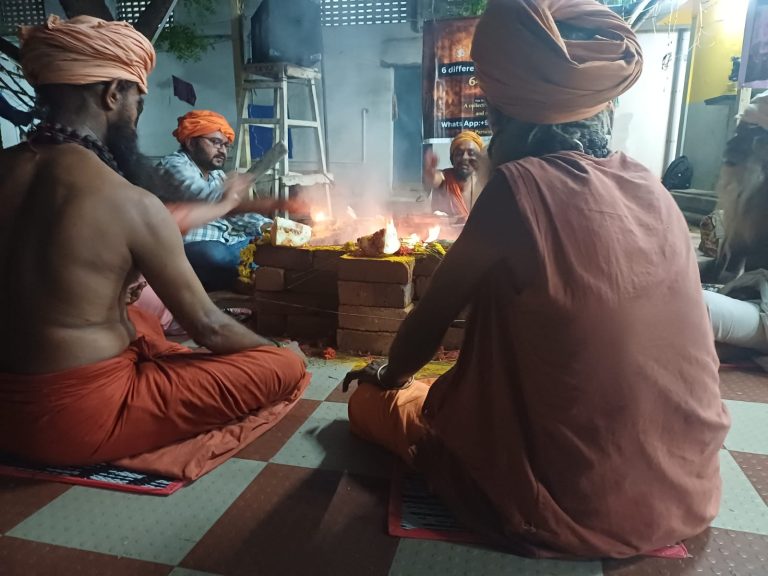
packing prasad to everyone who has contributed on srisailam havan.

Jogulamba Temple The Next Havan location 6th of 64

5th Havan of the 64 Shakti Peeth Havan — Srisailam

Fifth havan out of 64 in srisailam.

At India's largest tiger reserve getting ready for our fifth havan. all are welcome

Pvt group initiation into yoni mudra and tantra @mysore.

Kali yantra bags are available

Tantrik workshop with satyama






Leave a Reply