Historical Roots of Omkareshwar
According to the Shiva Purana, Lord Shiva manifested as Omkareshwar to defeat the demon Tripurasura, symbolizing the victory of good over evil.
Historical records from the 7th‑century Kalachuri dynasty mention a temple on the island, but the present structure largely reflects the Maratha renovations of the 18th century, when the ruler Peshwa Madhav Rao commissioned a grand gopuram and expanded the sanctum.
Architectural Highlights
The temple complex blends Nagara style spires with local stone craftsmanship. Visitors are drawn to the towering shikhara that rises over 30 meters, crowned by a golden kalasha. Inside, the sanctum houses a polished black marble lingam, encircled by intricate carvings of the Ashta‑Dikpalas (guardian deities of the eight directions).
- Mandapa: a pillared hall where devotees gather for bhajans.
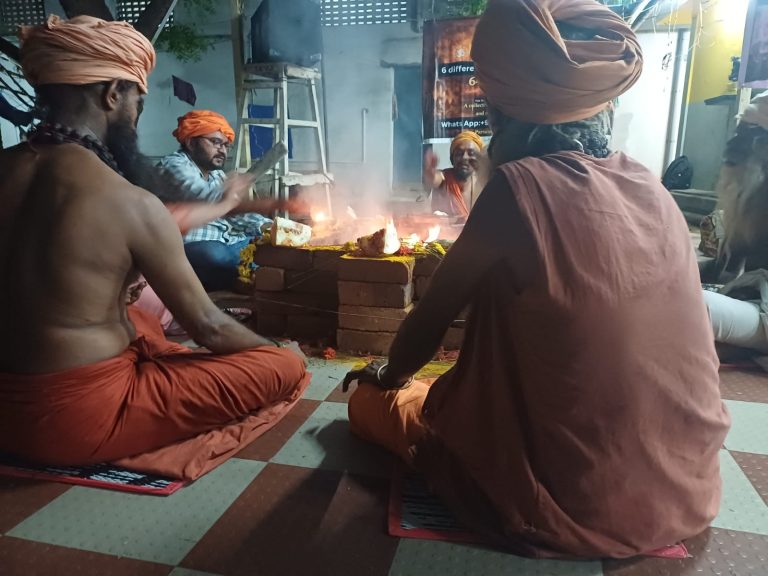
- Yajnagriha: the fire‑altar used during major festivals.
- Riverside ghats: stone steps that lead to the sacred banks of the Narmada.
Major Festivals and Rituals
Omkareshwar comes alive during Mahashivaratri, when thousands of pilgrims fast, chant “Om Namah Shivaya”, and offer milk to the lingam. The Kanwar Yatra is another highlight; devotees carry water from the Narmada to the shrine, symbolizing purification.
Many devotees believe that the energy of the Omkareshwar temple is palpable, as it is a site of continuous worship and rituals, reinforcing its spiritual significance.
Pilgrimage Practices and Spiritual Benefits
Many seekers believe that a visit to Omkareshwar grants moksha (liberation) or at least mitigates karmic burdens. The act of crossing the Narmada on a boat, reciting the Omkara mantra, and touching the lingam is considered a complete spiritual circuit.
Guides often advise pilgrims to stay on the island for at least three nights, allowing time for sunrise darshan, participation in the nightly aarti, and a reflective walk along the riverbank.
Travel Tips for First‑Time Visitors
Reaching Omkareshwar is straightforward: the nearest railway station is Omkareshwar Road, about 10 km away, and regular buses connect the town to Indore and Ujjain. Accommodation ranges from budget dharamshalas to riverside resorts.
Practical advice:
- Carry modest clothing; women should cover shoulders and knees.
- Plan visits during the cooler months (October‑February) to avoid the intense summer heat.
- Use only filtered water and eat at reputable eateries to prevent stomach upset.
By respecting local customs and immersing oneself in the rhythmic chants, visitors can experience the timeless allure that has drawn devotees for centuries.
Frequently Asked Questions
What makes Omkareshwar a Jyotirlinga?
It is one of the twelve sacred shrines where Shiva is said to have manifested as a pillar of light, representing the cosmic “Om”.
When is the most important festival at Omkareshwar?
Mahashivaratri, when devotees observe a night-long fast and perform special abhisheka rituals.
Which river surrounds the Omkareshwar temple?
The Narmada River flows around the island, forming a natural pilgrimage path.
What architectural style dominates the temple?
The Nagara style, characterized by a tall shikhara and intricate stone carvings.
Can non‑Hindus visit Omkareshwar?
Yes, the site welcomes all visitors, though specific rituals are reserved for Hindu pilgrims.
The Importance of Omkareshwar in Hindu Belief
Devotees often cite the belief that visiting Omkareshwar can lead to moksha, as mentioned in various texts, including the Skanda Purana, which emphasizes the significance of pilgrimage to sacred sites.
Omkareshwar as a Shakti Peeth
Omkareshwar is also recognized as a Shakti Peeth, where the heart of Goddess Sati is believed to have fallen. This aspect is celebrated in various texts, including the Kalika Purana, which highlights the importance of Shakti in the worship of Shiva.
Test Your Knowledge and Win Coupons to Get Discounts
Have a correction or improvement to suggest?
Log in or create a free accountRelated Videos

navaratri havan 9 th day ending with poornavathi devi sidhidatri.

Navaratri havan day 8 gauri.

Navaratri havan day 7 devi kalaratri.

6th day navaratri havan devi karthyayini.

Navaratri havan day 5 skandamata.

Navaratri havan day 4 devi kushmanda.

Day 3 havan devi chamdrakanta

Navaratri second day havan in mysore devi brahmacharini










Leave a Reply