Who Is Hotra?
In Vedic literature, Hotra is not merely a word for fire; it is personified as a divine presence that oversees the sacrificial fire (agni) during ritual offerings. The name appears in the Rig Veda and later commentaries as a deity who guarantees that the offering reaches the gods without impurity.
Symbolism of the Fire Deity
Hotra embodies several layers of meaning. On the most visible level, the deity represents the transformative power of fire, turning raw materials into fragrant smoke that ascends to the heavens. Symbolically, Hotra stands for purification, communication, and the bridge between mortal intention and divine reception.
- Purification: The fire consumes impurities, making the offering acceptable to higher realms.
- Communication: Smoke serves as a messenger, carrying prayers and mantras upward.
- Continuity: Maintaining the fire reflects the practitioner’s dedication to cosmic order (ṛta).
Hotra in Daily and Seasonal Rites
Vedic practitioners invoke Hotra in both routine and elaborate ceremonies. The daily sandhya prayers often begin with a small fire, acknowledging Hotra’s presence before reciting the Gayatri mantra. During seasonal festivals such as Agnihotra or the elaborate Somayajna, the role of Hotra expands, becoming the central axis around which the entire ritual rotates.
Each rite specifies precise materials—ghee, barley, herbs—and timing, all of which are believed to please Hotra and, by extension, the pantheon of gods he serves.
How Priests Invoke Hotra
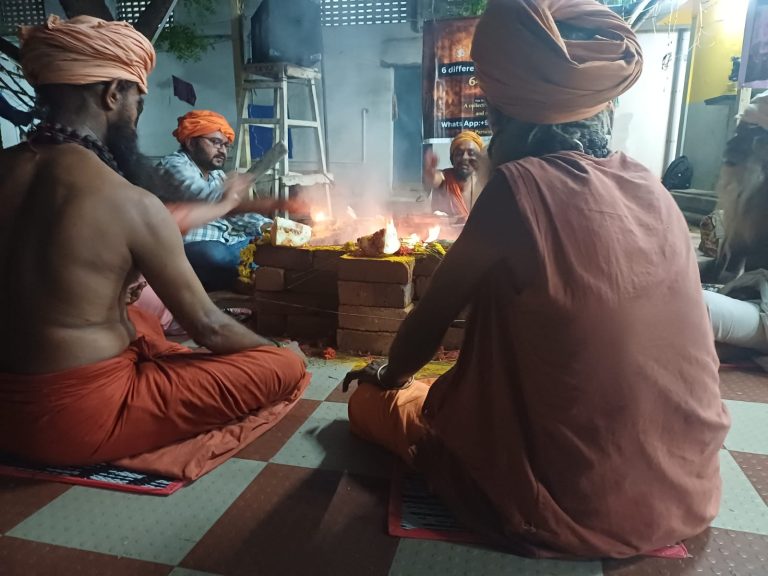
Ritual specialists, known as hotṛs, follow a strict protocol to invite Hotra into the fire pit. The process typically includes:
- Purifying the altar with water and sandalwood paste.
- Reciting a series of invocatory mantras that name Hotra alongside Agni and other deities.
- Offering a measured quantity of ghee, which symbolizes the devotee’s devotion.
The precise cadence of chanting and the rhythmic movement of the priest’s hands are thought to create a vibrational field that awakens Hotra’s consciousness within the flame.
Modern Relevance
Contemporary seekers often overlook Hotra, focusing instead on generic “fire meditation.” Yet, understanding Hotra’s specific attributes can deepen a practitioner’s connection to tradition. Many yoga studios now incorporate short hotra ceremonies at the start of classes, using a small oil lamp to honor the ancient deity and set an intention of clarity.
By recognizing Hotra as a deity rather than an abstract element, modern practitioners can align their personal practice with a lineage that stretches back millennia, fostering both spiritual depth and cultural continuity.
Frequently Asked Questions
What does Hotra represent in Vedic thought?
Hotra represents the divine aspect of sacrificial fire, symbolizing purification and communication between humans and gods.
Which priestly role is specifically associated with invoking Hotra?
The hotṛ, or fire priest, is responsible for invoking Hotra during rituals.
How does Hotra differ from Agni?
While Agni is the general fire god, Hotra is the personified deity of the ritual fire itself, overseeing the correctness of the offering.
Can Hotra be honored in contemporary yoga practice?
Yes, many modern yoga classes light a lamp and recite a short mantra to honor Hotra before beginning.
Test Your Knowledge and Win Coupons to Get Discounts
Have a correction or improvement to suggest?
Log in or create a free accountRelated Videos

How Simple Rituals Like Fire and Essential Oils Can Connect You to Your Intuition!

Understanding a deity.

Sacred Fire Journey: 64 Havans at 64 Shakti Peeths Explained

#152 Agni is the loard of krithika. The inflamable intense nakshatra . 3-27
Deity of a Nakshatra.

Tara The Fierce deity who consume meat and alcohol.

What is deity??

Giving offering to serpent energies on naga panchami. #nakshatravanam







Leave a Reply