What Svaha Means in the Vedic World
The word Svaha appears at the end of many Vedic mantras, especially those recited during fire sacrifices (yajna). Literally it translates to “may it be so” or “so be it,” acting as a verbal seal that consecrates the offering and invites the deity’s presence.
Origins and Etymology
Derived from the root svah meaning “to be heard” or “to be offered,” Svaha functions both as an invocation and a confirmation. Scholars link it to the feminine principle of speech, tying the utterance to the creative power of the goddess Ushas and the fire god Agni.
Svaha in Ritual Context
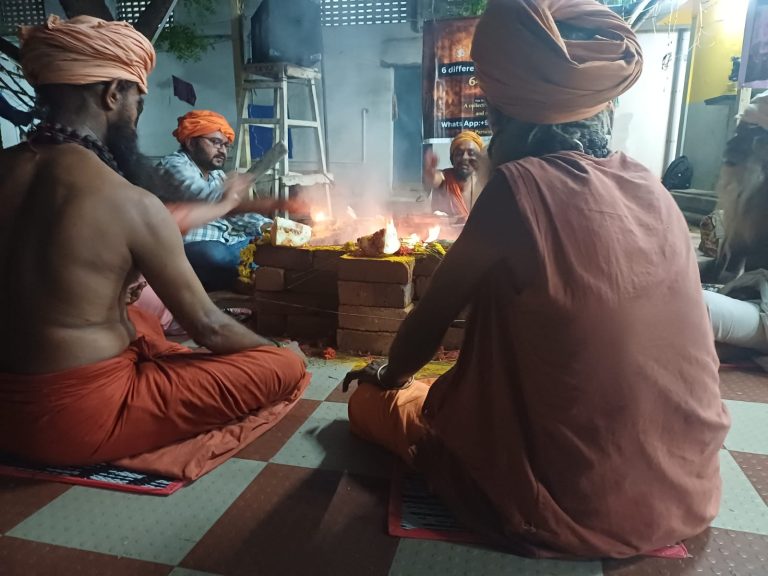
During a homa or havan, the priest recites a mantra, throws a sacrificial material into the fire, and concludes with Svaha. This three‑step process—chant, offer, seal—creates a bridge between the material world and the divine. The fire, as Agni’s medium, carries the sound of Svaha to the heavens, ensuring the offering reaches its intended deity.
Why the Repetition Matters
Repeatedly chanting Svaha reinforces the practitioner’s intent, aligning breath, speech, and action. The rhythmic cadence also stabilizes the mind, a subtle form of meditation that deepens the sacrificial atmosphere.
Association with Specific Deities
Although Svaha is a universal closing, certain deities are more closely linked to its use. For example, when invoking Indra for rain, the mantra ends with Svaha to affirm the request. In rites dedicated to Surya, Svaha signifies the sun’s acceptance of the offering.
Modern Practice of Svaha
Contemporary Hindus often use Svaha in household pujas, not just elaborate fire ceremonies. A simple incense offering followed by a quiet “Svaha” can sanctify the space, making the ancient practice accessible to daily life.
Common Misunderstandings
Many assume Svaha is a deity itself; however, it remains a potent verbal tool rather than a personified god. Recognizing this distinction helps avoid ritual errors and respects the tradition’s nuanced theology.
Integrating Svaha Into Personal Spirituality
To incorporate Svaha meaningfully, focus on intention. Before speaking, pause, visualize the offering’s destination, and end with Svaha, feeling the vibration travel outward. Over time, this practice can deepen one’s sense of connection to the cosmos.
Frequently Asked Questions
Is Svaha considered a deity in Vedic tradition?
No, Svaha is a sacred utterance, not a personified deity.
What does Svaha literally translate to?
It translates to “may it be so” or “so be it.”
Which element carries Svaha to the gods during a sacrifice?
Fire (Agni) carries the utterance to the divine.
Can Svaha be used in simple household pujas?
Yes, it can seal even modest offerings like incense.
Test Your Knowledge and Win Coupons to Get Discounts
Have a correction or improvement to suggest?
Log in or create a free accountRelated Videos

packing prasad to everyone who has contributed on srisailam havan.

Jogulamba Temple The Next Havan location 6th of 64

5th Havan of the 64 Shakti Peeth Havan — Srisailam

Fifth havan out of 64 in srisailam.

At India's largest tiger reserve getting ready for our fifth havan. all are welcome

Pvt group initiation into yoni mudra and tantra @mysore.

Kali yantra bags are available

Tantrik workshop with satyama







Leave a Reply