Who Is Marudvridha?
Marudvridha is a relatively obscure figure in the Vedic pantheon, often described as a river‑associated deity who governs the transformative power of flowing water. While she does not appear as frequently as Ganga or Sarasvati, her presence in certain hymns and ritual manuals points to a nuanced role that links purification, renewal, and the subtle currents of consciousness.
Mythological Origins
Vedic Texts
The earliest references to Marudvridha are found in the Yajurveda and the Atharvaveda, where she is invoked during rites that seek to dissolve obstacles and cleanse the soul. The name itself combines maru (meaning “dead” or “inert”) with vridha (meaning “growth” or “expansion”), suggesting a deity who helps the dead or stagnant aspects of life to flourish again.
Legends and Lineage
According to later Puranic commentaries, Marudvridha is a daughter of the water‑god Apas and the earth‑goddess Mahi. This lineage underscores her dual connection to both the physical terrain and the fluid realm, positioning her as a bridge between the material and the spiritual.
Symbolic Meaning
Practitioners interpret Marudvridha’s symbolism in several layers:
- Transformation: She represents the moment when stagnant water becomes a river, mirroring personal growth after periods of inertia.
- Hidden Knowledge: As a deity linked to the “dead” aspects of existence, she is believed to reveal insights that lie beneath the surface of consciousness.
- Balance: Her dual parentage emphasizes the need to balance earth‑bound responsibilities with the fluidity of spiritual aspiration.
Rituals and Worship
While there is no dedicated temple complex for Marudvridha, her worship is incorporated into broader water‑related ceremonies. Typical practices include:
- Pouring a small amount of river water on an altar while reciting the Marudvridha Sukta.
- Chanting the mantra “Om Marudvriyai Namah” during sunrise meditations near any flowing stream.
- Using her name in the concluding verses of purification rites for those recovering from illness or emotional trauma.
These rites are designed to invoke her energy to dissolve blockages and encourage a fresh flow of vitality.
Contemporary Relevance
Modern practitioners find Marudvridha especially resonant in an age where many feel “stuck” in routines. By aligning with her archetype, they can consciously invite change, much like a river carving a new path through rock. Yoga teachers sometimes incorporate her mantra into sequences that focus on hip‑opening poses, symbolizing the release of old patterns.
Furthermore, environmental activists draw on Marudvridha’s symbolism to highlight the importance of river conservation. By honoring a deity that embodies the rebirth of water, they create a spiritual narrative that supports ecological stewardship.
Integrating Marudvridha Into Daily Life
To experience Marudvridha’s influence, try the following simple practices:
- Begin each day with a brief visualization of stagnant water turning into a clear, flowing stream.
- Recite her mantra three times before entering any water‑related activity, such as bathing or washing hands.
- Reflect on moments of personal “death” (ending of a habit, relationship, or belief) and consciously invite the growth that follows.
These steps help embed the deity’s transformative energy into everyday routines, turning ordinary actions into sacred moments.
Conclusion
Although Marudvridha may not dominate the popular imagination, her role as a catalyst for renewal makes her highly relevant for both ancient scholars and modern seekers. By recognizing her presence in Vedic texts and applying her symbolism to contemporary practice, practitioners can harness a timeless source of transformation.
Frequently Asked Questions
Where is Marudvridha first mentioned in Vedic literature?
In the Yajurveda and Atharvaveda.
What does the name Marudvridha signify?
It combines concepts of death/inertia and growth/expansion.
How is Marudvridha typically invoked in modern practice?
Through the mantra ‘Om Marudvriyai Namah’ and water‑based rites.
Which element does Marudvridha primarily govern?
Water, especially flowing rivers.
Why do environmental activists reference Marudvridha?
She symbolizes the rebirth and protection of rivers.
Test Your Knowledge and Win Coupons to Get Discounts
Have a correction or improvement to suggest?
Log in or create a free accountRelated Videos

packing prasad to everyone who has contributed on srisailam havan.

Jogulamba Temple The Next Havan location 6th of 64

5th Havan of the 64 Shakti Peeth Havan — Srisailam

Fifth havan out of 64 in srisailam.

At India's largest tiger reserve getting ready for our fifth havan. all are welcome

Pvt group initiation into yoni mudra and tantra @mysore.

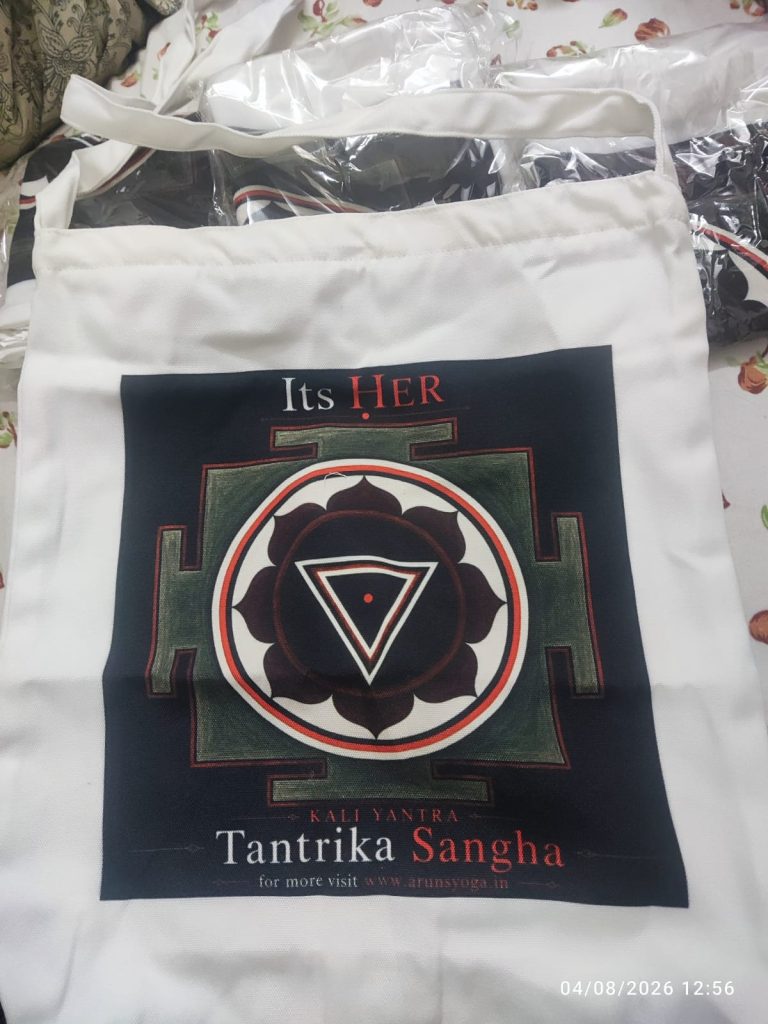
Kali yantra bags are available

Tantrik workshop with satyama






Leave a Reply