Who Is Bhavayavya?
Bhavayavya is a relatively obscure deity mentioned in certain Puranic passages and regional oral traditions. He is described as the guardian of sacred waters, tasked with protecting rivers, ponds, and sacred tanks that are used for ritual purification. While major gods such as Vishnu and Shiva dominate the mainstream narratives, Bhavayavya occupies a niche role that highlights the ancient Hindu reverence for the life‑giving element of water.
Mythological Origins
According to the Skanda Purana, Bhavayavya was born from the tears of the goddess Ganga when she descended to earth. Some texts link him to the lineage of the Rishis who performed austerities near riverbanks, suggesting that he emerged as a personification of the protective energies invoked during those rites. In certain South Indian traditions, he is considered a son of the sage Agastya, created to oversee the purity of the waters that Agastya sanctified during his travels.
Iconography and Symbolism
Artistic depictions of Bhavayavya are rare, but when they appear they follow a consistent pattern. He is usually shown as a youthful figure holding a kalasha (sacred pot) overflowing with clear water, standing on a lotus base. The lotus symbolizes both purity and the unfolding of spiritual consciousness, while the pot represents abundance and the containment of divine energy. In some regional murals, he is accompanied by a pair of fish, reinforcing his role as a protector of aquatic life.
Rituals and Worship
Worship of Bhavayavya is most common in rural temples located near holy tanks (kunds) and riverbanks. Devotees offer fresh flowers, milk, and honey into the water while chanting short mantras that invoke his blessing for safe travel across rivers and for the health of crops that depend on irrigation. A typical offering includes a handful of rice grains tossed into the water, symbolizing the sustenance that water provides.
During the monsoon festivals of Varsha Purnima, priests perform a special abhiṣeka (ritual bathing) of the deity’s idol, using rain‑collected water mixed with sandalwood paste. This ceremony is believed to cleanse both the physical environment and the participants’ inner impurities.
Bhavayavya in Contemporary Practice
Modern environmental movements in India have begun to reference Bhavayavya as a cultural emblem for water conservation. NGOs organize clean‑up drives at riverbanks, invoking Bhavayavya’s name to inspire community participation. Some yoga studios even dedicate a short meditation session to “honoring Bhavayavya” before water‑based practices, blending ancient reverence with contemporary wellness.
Although his temples are few, the deity’s influence persists in the collective consciousness of those who depend on water for survival. By acknowledging Bhavayavya, practitioners reaffirm a timeless belief that divine guardians watch over the essential resources of life.
Key Takeaways
- Bhavayavya is a guardian deity associated with sacred water bodies.
- He originates from mythic narratives linking him to Ganga’s tears and sage Agastya.
- Iconography features a youthful figure with a kalasha and lotus.
- Rituals emphasize offerings into water and seasonal abhiṣeka ceremonies.
- Contemporary relevance includes environmental activism and wellness practices.
Frequently Asked Questions
What natural element does Bhavayavya protect?
Water
Which major Hindu goddess is linked to Bhavayavya's birth in myth?
Ganga
What ritual object is Bhavayavya commonly depicted holding?
Kalasha
During which festival is Bhavayavya’s abhiṣeka performed?
Varsha Purnima
Test Your Knowledge and Win Coupons to Get Discounts
Have a correction or improvement to suggest?
Log in or create a free accountRelated Videos

packing prasad to everyone who has contributed on srisailam havan.

Jogulamba Temple The Next Havan location 6th of 64

5th Havan of the 64 Shakti Peeth Havan — Srisailam

Fifth havan out of 64 in srisailam.

At India's largest tiger reserve getting ready for our fifth havan. all are welcome

Pvt group initiation into yoni mudra and tantra @mysore.

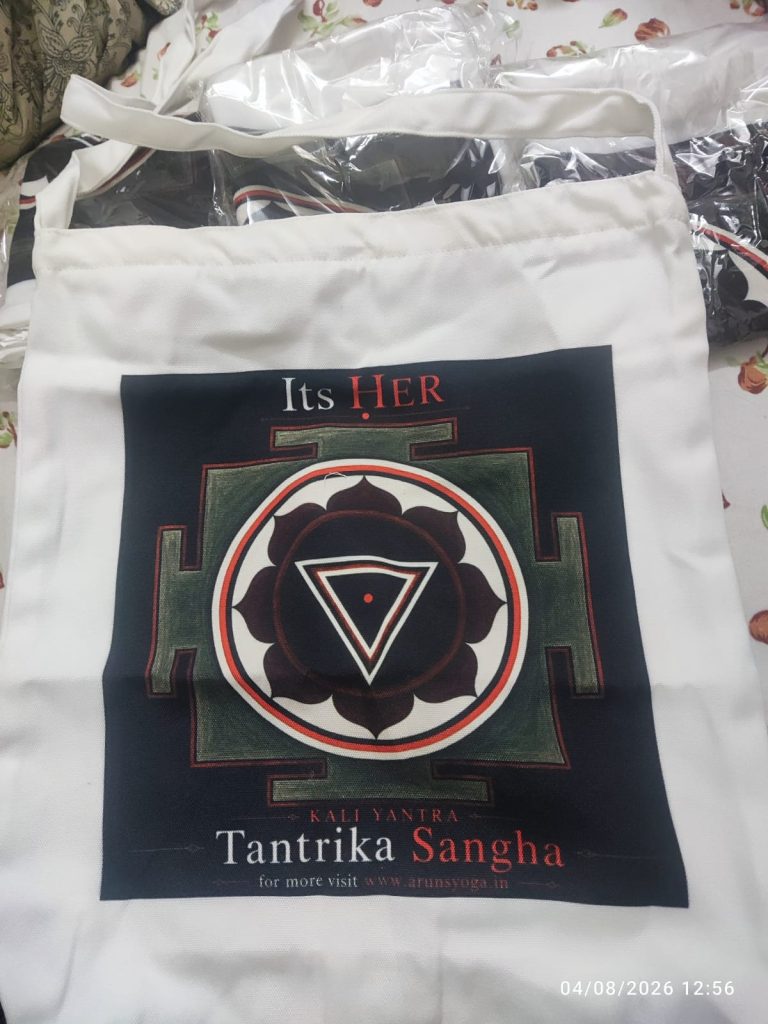
Kali yantra bags are available

Tantrik workshop with satyama







Leave a Reply