Origins and Names
Sanatana emerges in early Vedic literature as a personification of eternity and the unchanging principle that underlies the cosmos. The name itself derives from the Sanskrit root “san‑” (ever) and “‑atana” (existing), literally “that which is forever”. Though not listed among the major Vedic gods, Sanatana appears in Brahmanical hymns as a subtle force that sustains Sanatana Dharma, the timeless law.
Early Textual References
References to Sanatana can be traced to the Rig Veda where sages invoke “Sanatana” alongside Indra and Agni, seeking stability amidst the ever‑changing world. Later Upanishadic commentaries expand this notion, describing Sanatana as the immutable witness to all cycles of creation and dissolution.
Mythological Roles
In mythic narratives Sanatana functions less as a personal deity and more as a cosmic principle that guides other gods. He is credited with preserving the continuity of dharma during the great epochs (yugas) and is often invoked by deities such as Vishnu and Shiva when they need to reaffirm the eternal order.
Guardian of the Yugas
During the transition from Satya Yuga to Treta Yuga, legends tell of Sanatana appearing in a radiant form to remind the gods of their obligations, ensuring that the moral fabric does not unravel. This role reinforces his identity as the keeper of timeless values.
Symbolism and Iconography
Visual representations of Sanatana are rare, but when depicted, artists emphasize symbols of infinity: a serpent encircling a lotus, a never‑ending knot, or a wheel with twelve spokes representing the cyclic nature of time. These icons appear on temple walls in Odisha and Kerala, subtly reminding devotees of the perpetual flow of existence.
Colors and Attributes
Sanatana is traditionally associated with the color white, signifying purity and the absence of temporal decay. He is sometimes shown holding a staff (danda) that represents the axis mundi, linking heaven, earth, and the inner self.
Rituals and Worship
Worship of Sanatana is integrated into daily puja through the recitation of specific mantras such as “Om Sanatana Namah”. These chants are believed to align the practitioner’s consciousness with the eternal rhythm, granting stability in thought and action.
Festivals and Observances
While no exclusive festival exists, the principle of Sanatana is celebrated during the annual “Dharma Sankranti”, a day when priests perform rites that emphasize the continuity of righteous conduct. Offerings typically include white rice, milk, and sandalwood paste, all symbols of purity.
Sanatana in Contemporary Practice
Modern spiritual movements within Hinduism and yoga communities reference Sanatana as a guide for ethical living. Teachers encourage students to contemplate Sanatana’s timeless nature when faced with modern dilemmas, using the concept to foster resilience and moral clarity.
Global Reach
Online courses and podcasts now feature discussions on Sanatana, positioning him as a bridge between ancient wisdom and contemporary life. This renewed interest has led to a modest increase in dedicated shrines in diaspora communities across the United States and Europe.
Frequently Asked Questions
What does the name 'Sanatana' literally mean?
That which is forever
Test Your Knowledge and Win Coupons to Get Discounts
Have a correction or improvement to suggest?
Log in or create a free accountRelated Videos

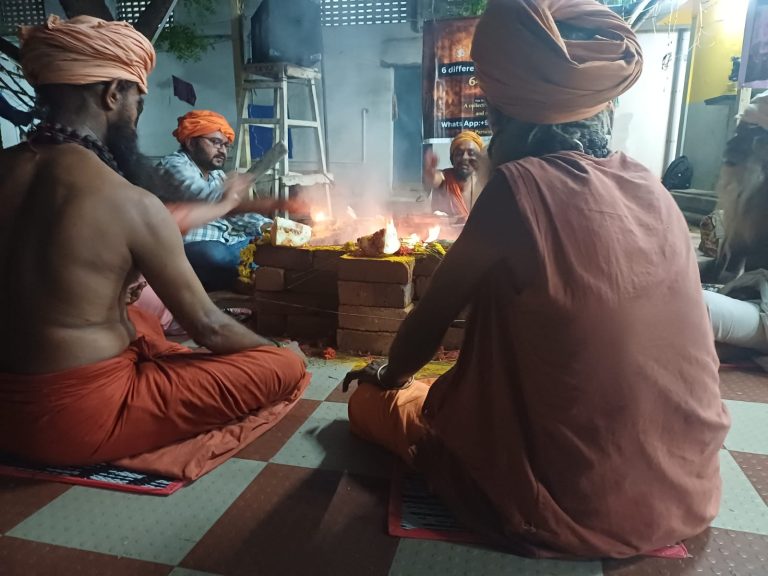
packing prasad to everyone who has contributed on srisailam havan.

Jogulamba Temple The Next Havan location 6th of 64

5th Havan of the 64 Shakti Peeth Havan — Srisailam

Fifth havan out of 64 in srisailam.

At India's largest tiger reserve getting ready for our fifth havan. all are welcome

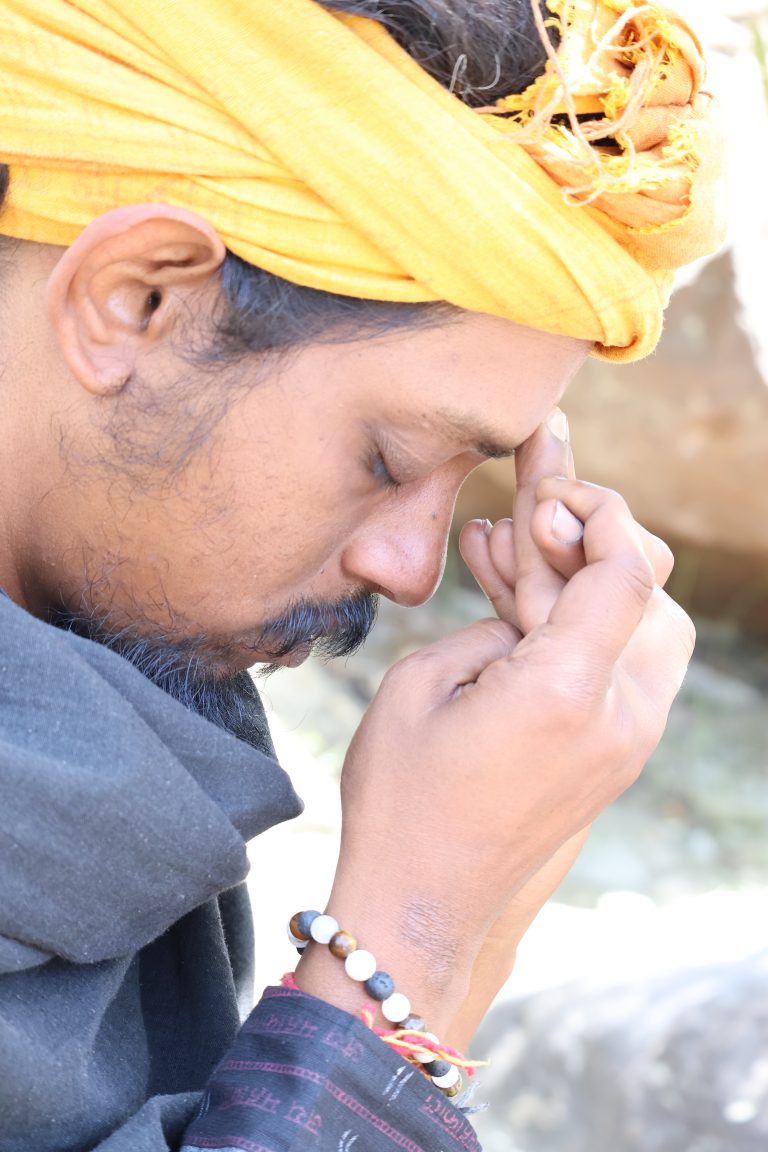
Pvt group initiation into yoni mudra and tantra @mysore.

Kali yantra bags are available

Tantrik workshop with satyama






Leave a Reply