Introduction
These figures serve as embodiments of their father’s wisdom, each channeling unique aspects of divine energy and teachings that resonate with various aspects of Hindu philosophy.
Vasishtha’s Lineage and the Birth of the Shakti Maharishis
Each son is said to have inherited specific teachings and powers from Vasishtha, reflecting his wisdom in various domains such as ritual, medicine, and music.
What Makes a Shakti Maharishi?
The term “Shakti” denotes energy or power, and “Maharishi” translates to great sage. Together, they signify a sage who not only possesses deep spiritual insight but also channels potent shakti for the welfare of the cosmos. The Shakti Maharishis are celebrated for their mastery over specific aspects of nature, ritual, and metaphysics, often acting as teachers, protectors, or custodians of sacred rites.
The Six Sons and Their Distinct Contributions
- Shakti – Known as the eldest, he is credited with formulating the early concepts of yajna (sacrifice) and establishing protocols for priestly conduct.
- Dadhichi – Though more famously associated with his own sacrifice, his lineage ties back to Vasishtha, and his story exemplifies ultimate selflessness for divine weapons.
- Vamadeva – A master of Vedic chants, he refined the melodic structures that later influenced classical Indian music.
- Gauramukha – Recognized for his expertise in herbal medicine, he authored treatises that predate the famed Charaka Samhita.
- Ruchaka – Celebrated as a warrior-sage, his teachings on martial ethics are referenced in the Kautilya Arthashastra.
- Nabhaga – The youngest, he is associated with cosmic geometry, linking Vedic cosmology to the design of ancient temples.
Mythic Episodes Involving the Shakti Maharishis
Many legends illustrate how the Shakti Maharishis intervened in pivotal events. For instance, when the demon Ravana threatened the heavens, it was Shakti’s strategic sacrifice that weakened the demon’s army. In another tale, Gauramukha healed the ailing king Raghu, showcasing the intertwining of spiritual and medicinal prowess.
Worship and Contemporary Relevance
While no major temple is solely dedicated to the Shakti Maharishis, their stories are invoked during Vedic rituals, especially those emphasizing the sanctity of knowledge transmission. Modern spiritual teachers often cite their lives as exemplars of balanced power—combining intellectual depth with compassionate action.
Why Their Legacy Matters Today
The stories of Vasishtha’s sons illustrate fundamental Hindu principles, particularly the importance of knowledge, ethical conduct, and selfless service in spiritual practice.
Frequently Asked Questions
Who is considered the eldest of Vasishtha’s Shakti Maharishis?
Shakti is regarded as the eldest son.
Which Shakti Maharishi is associated with ancient Indian music?
Vamadeva is linked to the development of Vedic chants and early music.
What is the primary field of expertise for Gauramukha?
Gauramukha is known for his knowledge of herbal medicine.
How did the Shakti Maharishis influence Hindu rituals?
Their teachings refined sacrificial procedures and priestly conduct.
Which son’s story involves a self‑sacrifice for divine weapons?
Dadhichi’s sacrifice is the most famous example.
Dadhichi's Sacrifice
Dadhichi’s self-sacrifice is a well-known story in Hindu lore where he gives up his body to create a powerful weapon for the gods, illustrating the theme of selflessness in service to the greater good. This tale is chronicled in the Mahabharata and exemplifies the virtues upheld by the Shakti Maharishis.
Rituals Involving the Shakti Maharishis
During various Vedic rituals, the Shakti Maharishis are invoked to bless the ceremonies. For example, in the Yajurveda, specific hymns are dedicated to them, emphasizing their roles in ensuring the efficacy of sacrifices and the transmission of sacred knowledge.
Test Your Knowledge and Win Coupons to Get Discounts
Have a correction or improvement to suggest?
Log in or create a free accountRelated Videos

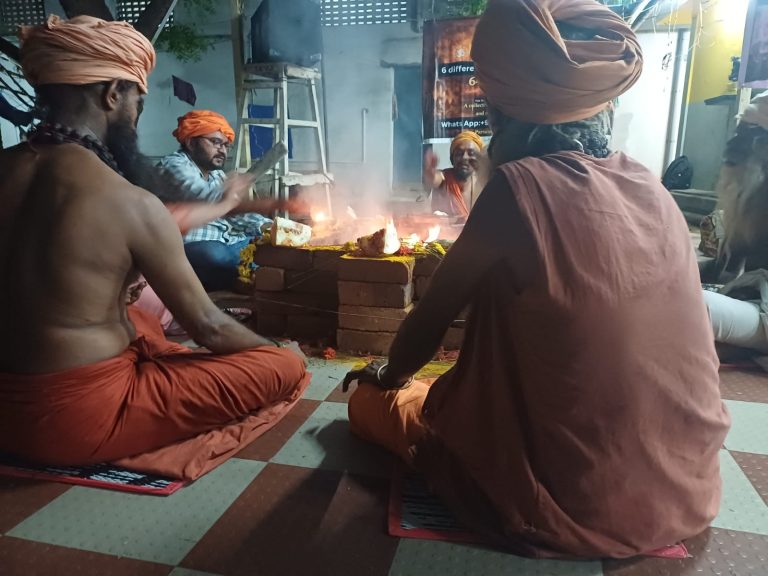
navaratri havan 9 th day ending with poornavathi devi sidhidatri.

Navaratri havan day 8 gauri.

Navaratri havan day 7 devi kalaratri.

6th day navaratri havan devi karthyayini.

Navaratri havan day 5 skandamata.

Navaratri havan day 4 devi kushmanda.

Day 3 havan devi chamdrakanta

Navaratri second day havan in mysore devi brahmacharini







Leave a Reply