Understanding the Sapta Matrika Framework
The Sapta Matrika, or Seven Mothers, form a collective of fierce goddesses who protect the cosmos and assist the divine in overcoming demonic forces. Each Matrika emanates from a principal male deity, embodying a specific aspect of Shakti. Together they represent the dynamic energy that sustains creation, destruction, and renewal.
Maheshwari’s Identity Within the Seven Mothers
Maheshwari, also known as Maheshvari, is the Matrika linked to Lord Shiva. While the more widely recognized Matrikas include Brahmi, Vaishnavi, and Kumari, Maheshwari completes the circle, embodying the transformative power of destruction turned into regeneration. In iconographic texts she is described as the embodiment of Shiva’s compassionate wrath.
Iconographic Features
Typical depictions show Maheshwari with a trident (trishula) in her right hand and a skull cup (kapala) in her left, symbolising the dissolution of ego. She often wears a tiger skin, echoing Shiva’s own attire, and her crown bears a crescent moon, reinforcing her lunar association. Her eyes are portrayed wide‑open, signifying vigilance.
Mythological Roots
According to the Devi Bhagavata Purana, Maheshwari was created from Shiva’s anger to restore cosmic order, embodying the power of destruction that leads to regeneration.
Rituals and Worship Practices
Devotees honour Maheshwari through specific mantras such as “Om Maheshwariyai Namah” and by offering bilva leaves, which are sacred to Shiva. Temples that house a Maheshwari shrine often place her statue near the primary Shiva lingam, reflecting their inseparable energies.
- Morning ablution with milk and honey.
- Evening chanting of the Maheshwari mantra.
- Annual festivals during the month of Shravan, when Shiva’s worship peaks.
Maheshwari in Tantric and Regional Traditions
In Tantric rites, Maheshwari is invoked as a guardian of secret knowledge, especially in the Kaula and Shakta paths. She is believed to protect the practitioner from negative forces while guiding the seeker toward inner liberation. Regional variations appear in Maharashtra, where she is sometimes merged with local village protectors, and in Bengal, where she is worshipped alongside the other Matrikas during the Durga Puja procession.
Contemporary Relevance and Scholarship
Scholars such as David Kinsley in his work Hindu Goddesses: Vision of the Divine Feminine in the Hindu Religious Tradition discuss Maheshwari’s dual role as a destroyer and nurturer, reflecting the complexities of gendered divine power in Hinduism.
Frequently Asked Questions
What male deity is Maheshwari associated with in the Sapta Matrika system?
Shiva
Which emblem is commonly held in Maheshwari’s left hand?
Skull cup (kapala)
During which Hindu month is Maheshwari’s festival most prominently celebrated?
Shravan
Maheshwari's Role in the Devi Bhagavata Purana
In the Devi Bhagavata Purana, Maheshwari is depicted as a fierce goddess who emerges from Shiva’s anger, showcasing her essential role in maintaining cosmic balance.
Regional Variations in Maheshwari Worship
In Maharashtra, Maheshwari is often associated with local village deities, illustrating her integration into regional traditions. During Durga Puja in Bengal, she is worshipped alongside the other Matrikas, reflecting her significance in local customs.
Test Your Knowledge and Win Coupons to Get Discounts
Have a correction or improvement to suggest?
Log in or create a free accountRelated Videos

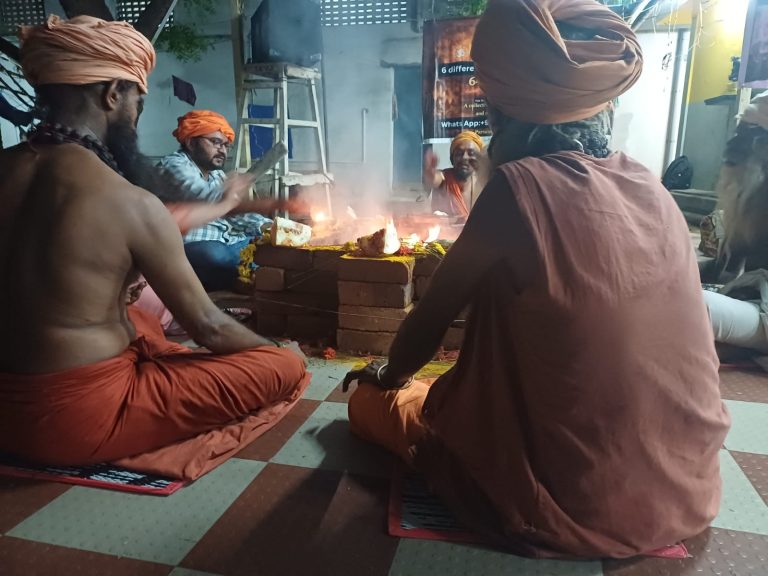
navaratri havan 9 th day ending with poornavathi devi sidhidatri.

Navaratri havan day 8 gauri.

Navaratri havan day 7 devi kalaratri.

6th day navaratri havan devi karthyayini.

Navaratri havan day 5 skandamata.

Navaratri havan day 4 devi kushmanda.

Day 3 havan devi chamdrakanta

Navaratri second day havan in mysore devi brahmacharini









Leave a Reply