Regional Spread of Maheshwari Shrines
Maheshwari, a revered form of the Divine Mother, is identified in various texts as a manifestation of Shakti, particularly within the Matrika tradition, where she embodies the fierce protective aspect of the goddess.
North Indian Adaptations
In the plains of Uttar Pradesh and Rajasthan, Maheshwari temples often share architectural motifs with the broader Shakta tradition. The sanctum sanctorum is typically built of sandstone, and the shikhara rises in a curvilinear form that mirrors nearby Vishnu or Shiva shrines. Local festivals such as Navratri are celebrated with massive community fairs, where devotees perform garba and dhunuchi dances specific to the region.
- Rajasthan’s Jodhpur Maheshwari Mata Temple blends Rajputana stone carvings with traditional folk songs.
- In Varanasi, the riverbank shrine incorporates Ganga rituals, offering abhisheka with holy water.
Western Coastal Influences
Along the Konkan coast, especially in Maharashtra and Goa, Maheshwari worship intertwines with local agrarian cycles. Temples here are often constructed from laterite stone, and the dhwaja (flagstaff) is painted in bright saffron. Seasonal festivals coincide with the monsoon, and devotees present fresh coconuts and rice as naivedya offerings.
- The Mhasoba-Maheshwari shrine near Pune blends the guardian deity Mhasoba with Maheshwari, illustrating syncretic worship.
- In Goa, the temple’s annual Shigmo parade features dancers in traditional kostum, echoing the region’s Portuguese‑influenced art.
Eastern Tribal Practices
In Odisha and parts of West Bengal, tribal communities venerate Maheshwari as a forest guardian. Their shrines are simple bamboo structures, and rituals emphasize drumming, fire worship, and trance possession. The deity is sometimes depicted with a buffalo vahana, echoing the ancient symbolism of Mhasoba.
- In the tribal belt of Sundargarh, a Maheshwari altar is placed under a sacred banyan tree, aligning with indigenous nature worship.
- Odisha’s Puri region integrates Maheshwari into the larger Jagannath complex, allowing pilgrims to experience a layered devotional journey.
Southern Temple Architecture
In Karnataka and Tamil Nadu, Maheshwari temples adopt the Dravidian style: towering gopurams, intricate stone work, and vivid stucco sculptures. The festivals here are marked by elaborate processions of the deity’s idol, often accompanied by traditional Carnatic music and dance performances such as bharatanatyam.
- The Mysore Maheshwari Devi Temple is famed for its golden kalash and nightly arati accompanied by the nadaswaram.
- In Tamil Nadu’s Kumbakonam, the temple’s Utsavam includes a unique “Kavadi” ritual where devotees carry decorated bamboo arches.
Common Threads Across Regions
In iconography, Maheshwari is typically depicted with four arms, symbolizing her divine powers, holding a trident (trishula), a sword (khadga), a lotus (padma), and a bowl (kamandalu), as described in various Puranic texts.
Visiting Maheshwari Temples Today
Travelers seeking an authentic experience should respect local customs: dress modestly, participate in community prasad distribution, and observe the temple’s specific timing for darshan. Many temples now offer guided tours that explain the historical layers of architecture and ritual, making the journey both spiritual and educational.
Frequently Asked Questions
What is a distinctive feature of Maheshwari worship in the western coastal region?
Offerings of fresh coconuts and rice during monsoon festivals.
Which animal is sometimes shown as Maheshwari’s vahana in tribal traditions?
Buffalo.
In Dravidian-style Maheshwari temples, what musical instrument often accompanies the evening arati?
Nadaswaram.
What common element unites Maheshwari worship across India?
The chant of “Maheshwari Namah”.
Maheshwari Shakti Peeth in Rajasthan
The Maheshwari Shakti Peeth located in Rajasthan is celebrated for its unique rituals that blend local customs with traditional worship, as noted in the Devi Bhagavata Purana, which emphasizes the significance of Shakti Peeths across India.
Maheshwari Shakti Peeth: Significance and Locations
Maheshwari Shakti Peeths are sacred sites dedicated to the goddess Maheshwari, believed to be places where her body parts fell according to legend. These sites are crucial in the Shakti tradition and are often associated with specific local deities and festivals, as mentioned in the Kalika Purana.
Test Your Knowledge and Win Coupons to Get Discounts
Have a correction or improvement to suggest?
Log in or create a free accountRelated Videos

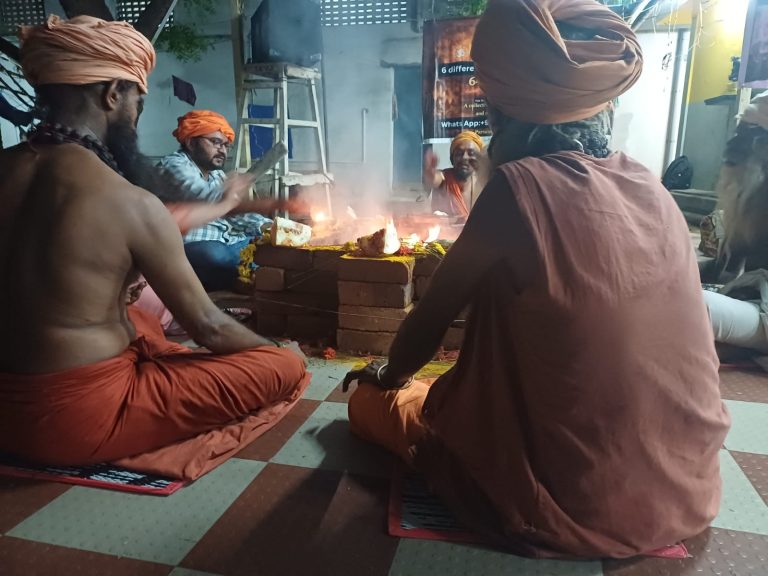
navaratri havan 9 th day ending with poornavathi devi sidhidatri.

Navaratri havan day 8 gauri.

Navaratri havan day 7 devi kalaratri.

6th day navaratri havan devi karthyayini.

Navaratri havan day 5 skandamata.

Navaratri havan day 4 devi kushmanda.

Day 3 havan devi chamdrakanta

Navaratri second day havan in mysore devi brahmacharini







Leave a Reply