 ARUN'S YOGA
What is Eka Pada Rajakapotasana?
Eka Pada Rajakapotasana, commonly known as One-Legged King Pigeon, is a deep hip-opening and back-bending pose that stretches the front thigh, groin, chest and shoulders while engaging the core.
When entered safely, it releases tension in the hips and lower back, improves spinal flexibility and prepares the body for more advanced inversions and backbends.
Key Benefits
- Hip flexibility – the front leg is extended, creating an intense stretch in the hip flexors and psoas.
- Glute activation – the bent back leg works the gluteus maximus and hamstrings.
- Spinal extension – lifting the torso and reaching for the back foot opens the thoracic spine.
- Core stability – maintaining balance engages the deep abdominal muscles.
- Mental focus – the pose requires concentration, promoting mindfulness.
Preparing Your Body
Before attempting Eka Pada Rajakapotasana, warm up the hips and shoulders with low-intensity stretches such as Baddha Konasana, Anjaneyasana and Thread the Needle.
Practicing a few rounds of Cat-Cow and gentle backbends like Bhujangasana helps lubricate the spine.
Step-by-Step Alignment
1. Start in a tabletop position
Bring your right knee forward, placing it behind your right wrist. Align the right ankle near the left hip.
2. Extend the left leg straight back
Slide the left foot back, keeping the top of the foot on the mat and the toes pointed.
3. Square the hips
Draw the left hip forward and the right hip back, using a blanket under the right hip if needed to level the pelvis.
4. Lift the torso
Inhale, lengthen the spine, and begin to rise onto the fingertips. Open the chest, drawing the shoulders away from the ears.
5. Reach for the back foot
If flexibility allows, grasp the left foot with both hands, pulling it gently toward your head. For beginners, keep the hands on the mat or use a strap.
6. Hold and breathe
Stay for five to ten breaths, maintaining even inhales and exhales. To exit, release the foot, lower the torso and repeat on the opposite side.
Common Mistakes to Avoid
- Letting the front knee drift outward – keep it in line with the ankle to protect the knee.
- Rounding the lower back – engage the core and lengthen through the tailbone.
- Allowing the hips to tilt – use props to level the pelvis.
- Pulling too hard on the back foot – ease into the stretch, respecting your current range.
Modifications and Props
Place a folded blanket under the right hip for support, use a yoga block under the right hand, or keep the left hand on the mat while the right hand reaches for the foot.
For a gentler version, keep the left foot flat on the mat and focus on the hip opening without the backbend.
When to Skip This Pose
Avoid Eka Pada Rajakapotasana if you have acute knee injuries, recent hip surgery, or a herniated disc. Pregnant practitioners should also modify or avoid deep backbends.
Integrating the Pose into Your Practice
Use this pose toward the end of a vinyasa flow after a sequence of hip-openers and gentle backbends. Pair it with opposite-side twists to maintain spinal balance.
Consistent practice, even for short intervals, gradually builds the flexibility needed to fully express the pose.
Conclusion
Eka Pada Rajakapotasana offers a powerful combination of hip opening, spinal extension and core strengthening. Approach it mindfully, respect your body’s limits, and you’ll reap lasting benefits for both the physical body and the meditative mind.
Frequently Asked Questions
What primary areas does Eka Pada Rajakapotasana stretch?
It stretches the front thigh, hip flexors, psoas, groin, chest, shoulders, and also engages the core.
How does the pose benefit the spine?
It promotes spinal extension, improves thoracic flexibility, and prepares the body for deeper backbends and inversions.
Which props can be used to modify the pose for beginners?
A folded blanket under the hip, a yoga block under the hand, or a strap to hold the back foot can be used.
When should practitioners avoid this pose?
With acute knee injuries, recent hip surgery, a herniated disc, or during pregnancy without appropriate modifications.
Test Your Knowledge and Win Coupons to Get Discounts
Have a correction or improvement to suggest?
Log in or create a free accountRelated Videos
 Left hand tantrism is insane.
 Why America Needs to Bring Back Sacred Ceremonies to Heal and Raise Our Vibration!
 Pakistan give my baby back. #pakistan #baby #india #war #hippie
 #141 Trikonasana. Learn yoga with anu?
 Mastering Core Strength and Balance The Challenge Behind Simple Looking Yoga Poses
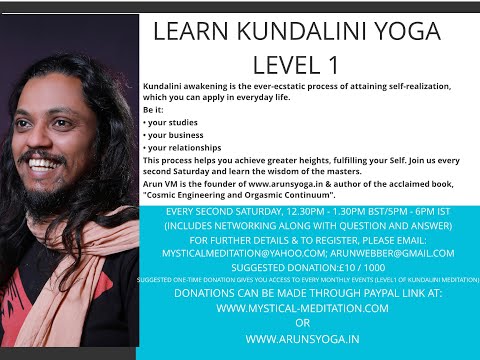 Online Kundalini Yoga Learning Session Level 1 For Beginners
 #144 Chakrasana Learn yoga with anu?
 Prakruthi is the ultimate nature of the core feminine.









Leave a Reply