 ARUN'S YOGA
 ARUNSYOGA
Introduction to Siddhānta-śravaṇa
Siddhānta-śravaṇa refers to the exploration and inquiry into the meanings of Vedānta, an important aspect of Indian philosophical tradition. It involves deep contemplation and understanding of the fundamental principles that govern life and existence as described in the Upaniṣads.
Vedānta is often seen as the culmination of Vedic thought, summarizing the essence of the Vedas and providing profound insights into the nature of reality, the self, and the ultimate truth (Brahman). The practice of Siddhānta-śravaṇa is thus indispensable for anyone seeking to delve into the depths of spiritual wisdom and philosophical exploration.
The Importance of Inquiry in Vedānta
The tradition of inquiry (śravaṇa) emphasizes not just passive listening but active engagement with the texts and teachings of Vedānta. This practice is pivotal as it forms the backbone of learning within the Upaniṣadic context.
- Active Engagement: Unlike mere reading, Siddhānta-śravaṇa encourages dialogue, questioning, and critical analysis of teachings to foster a deeper understanding.
- Integration of Knowledge: Through this inquiry, individuals integrate philosophical concepts into their lives, allowing for personal transformation and spiritual growth.
- Realization of Truth: The ultimate aim of this inquiry is to aid seekers in realizing the non-dual nature of existence and their intrinsic connection to the universe.
Mechanisms of Siddhānta-śravaṇa
The inquiry process in Siddhānta-śravaṇa involves several key methodologies that help in unpacking complex philosophical ideas.
- Scriptural Study: Engaging with the original texts of the Upaniṣads ensures an authentic understanding of Vedānta.
- Reflection: Personal contemplation on teachings encourages insights that resonate with individual experiences.
- Discussion with Teachers: Initiating dialogues with learned scholars or spiritual teachers allows for clarification and deeper insights into challenging concepts.
The Role of Siddhānta-śravaṇa in Modern Context
In today’s fast-paced world, the significance of Siddhānta-śravaṇa extends beyond traditional settings. As individuals seek meaning and purpose, the teachings of Vedānta provide a timeless framework for navigating life.
- Philosophical Foundation: Understanding the principles of Vedānta equips individuals with a robust philosophical base that fosters resilience and clarity in various life situations.
- Spiritual Well-being: The inquiry into Vedānta promotes spiritual well-being, encouraging individuals to seek inner peace and harmony amidst external chaos.
- Interconnectedness: The teachings instill a sense of interconnectedness with all living beings, fostering compassion and empathy in interpersonal relationships.
Conclusion
In essence, Siddhānta-śravaṇa is not just an academic exercise but a profound spiritual inquiry that transforms one’s perspective on life. It invites seekers to explore the rich tapestry of Vedānta, ultimately leading them toward self-realization and understanding of the greater cosmos.
For those committed to their spiritual journey, embracing the practice of Siddhānta-śravaṇa offers invaluable insights that illuminate the path to ultimate truth and fulfillment.
Frequently Asked Questions
What is Siddhānta-śravaṇa?
Siddhānta-śravaṇa refers to the inquiry into the meanings of Vedānta, emphasizing deep contemplation and understanding of fundamental principles of existence.
Why is inquiry important in Vedānta?
Inquiry in Vedānta encourages active engagement with teachings, fosters personal transformation, and aids in realizing the non-dual nature of existence.
How does Siddhānta-śravaṇa apply in modern times?
In modern contexts, Siddhānta-śravaṇa provides a philosophical foundation for resilience and promotes spiritual well-being amidst the chaos of daily life.
What methodologies are involved in Siddhānta-śravaṇa?
Key methodologies include scriptural study, personal reflection, and discussions with teachers to deepen understanding of complex philosophical ideas.
Test Your Knowledge and Win Coupons to Get Discounts
Have a correction or improvement to suggest?
Log in or create a free accountRelated Videos
 Yantras are abstract philosophical ideas I would recommend you to do dus vidya sadhana with Yantras.
 Arthanarishwara is the philosophical equivalent of yin and yang.
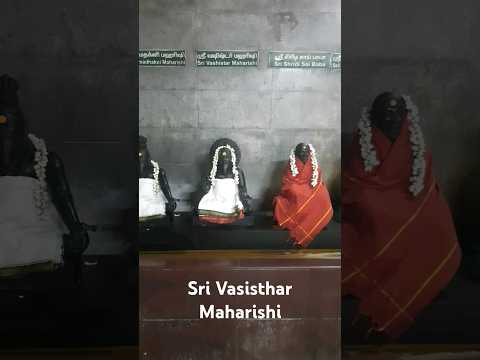 #125 Sri vasisthar maharishi. Sheshadri asrm @thiruvannamalai
 #130 Sri adi shankar. Sheshadri swamigal asrm @thiruvannamalai.
 Sutra are the term denotes ultimate secretes related to nature of visible universe.
 Prakruthi is the ultimate nature of the core feminine.
 #124 Sri Gowthamar Maharishi. Sheshadri asrm @thiruvannamalai
 Understanding a deity.









Leave a Reply