 ARUN'S YOGA
 ARUNSYOGA
Understanding the Philosophical Foundations
The concepts of Yin and Yang from Chinese philosophy and the Shiva-Shakti principle in Hindu philosophy share profound similarities, both emphasizing balance and duality in the cosmos. At their core, these principles represent the dynamic interplay of complementary forces that underpin existence and the universe.
Yin and Yang illustrate the duality of nature, where Yin is associated with femininity, darkness, and receptivity, while Yang represents masculinity, light, and assertiveness. Similarly, the Shiva-Shakti dynamic encapsulates the interplay between the masculine and feminine energies, where Shiva embodies consciousness and stillness, and Shakti represents energy and motion. Both frameworks highlight that neither force can exist independently; they are interdependent, each giving rise to and sustaining the other.
Yin and Yang: The Cosmic Balance
Rooted in ancient Chinese wisdom, the concept of Yin and Yang underscores the importance of achieving harmony. The Yin aspect is linked with qualities like coldness, passivity, and introspection. Examples can be found in nature, such as the night, winter, and the moon. Conversely, the Yang aspect embodies warmth, activity, and extroversion, represented by the day, summer, and the sun.
This duality is often illustrated through the famous Yin-Yang symbol, where the black and white swirl together, each containing a dot of the opposite color. This representation visually communicates the idea that within every Yin is the seed of Yang and vice versa. This philosophy extends beyond metaphysical considerations; it permeates aspects of Chinese medicine, martial arts, and astrology, promoting balance as the pathway to health and harmony.
The Shiva-Shakti Principle: A Dynamic Duo
In Hindu philosophy, the Shiva-Shakti principle symbolizes the creative and destructive processes of the universe. Shiva, often referred to as the destroyer, represents consciousness, the unmanifest potential that underlies existence. On the other hand, Shakti personifies the dynamic cosmic energy that brings forth creation and change, driving evolution and activity.
This interplay is evident in numerous Hindu texts, where Shakti is seen as the active energy who animates Shiva. Together they illustrate that reality is constantly in flux, with creation and destruction occurring in an unending cycle. The balance of these forces is essential for maintaining the cosmos, resembling the Yin-Yang dynamic in its emphasis on balance and harmony.
Key Comparisons: Similarities and Differences
Both Yin-Yang and Shiva-Shakti represent essential dualities that are fundamental to their respective philosophies. While Yin and Yang emphasize equilibrium between opposites, often focusing on natural and cosmological balance, the Shiva-Shakti framework highlights the relationship between consciousness and energy, portraying a more dynamic interaction.
Additionally, while Yin and Yang incorporate aspects of time, such as seasons and daily cycles, the Shiva-Shakti principle emphasizes creation and dissolution’s cyclical nature. Despite these differences, the essence remains: both philosophies stress that true harmony results from recognizing and nurturing the interdependent relationship between opposing forces.
Integrating Yin and Yang with Shiva-Shakti in Daily Life
The integration of these philosophical principles can enhance one’s understanding of life and the natural world. For practitioners, balancing the Yin and Yang energies within oneself can lead to improved health, emotional stability, and personal growth. Similarly, acknowledging the Shiva and Shakti dynamic encourages an appreciation of inner strength and creativity, advocating for a harmonious life where both energies are nurtured and expressed.
Ultimately, the philosophies of Yin and Yang and Shiva-Shakti invite individuals to reflect on their own lives, recognizing the constant interplay of opposite forces and seeking to maintain harmony in all aspects of existence.
Frequently Asked Questions
What do Yin and Yang represent?
Yin and Yang represent the duality of nature, where Yin is associated with femininity and receptivity, and Yang is linked to masculinity and assertiveness.
How do the Shiva and Shakti principles correlate with Yin and Yang?
The Shiva and Shakti principles illustrate a dynamic interaction between masculine and feminine energies, paralleling the interdependent relationship emphasized in Yin and Yang.
Why is balance important in these philosophies?
Both Yin and Yang and the Shiva-Shakti principle highlight that true harmony results from recognizing and nurturing the interdependent relationship between opposing forces.
Test Your Knowledge and Win Coupons to Get Discounts
Have a correction or improvement to suggest?
Log in or create a free accountRelated Videos
 Arthanarishwara is the philosophical equivalent of yin and yang.
 Arunachala shiva arunachala shiv arunachala shiva arunachala #arunachala #ramana #shiva #love
 Arunachala shiva.
 Ardha narishwara My painting. #shiva #shakthi #arthanariahwara #painting.
 Om Namah Shivaya - A Tribute To Shiva
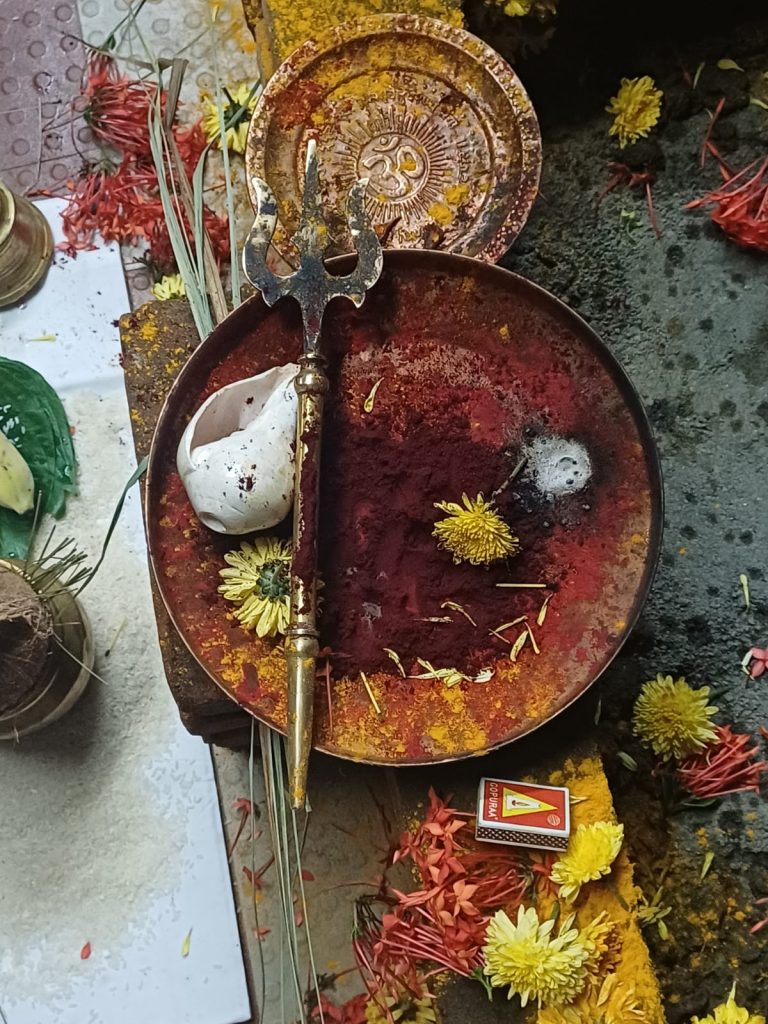
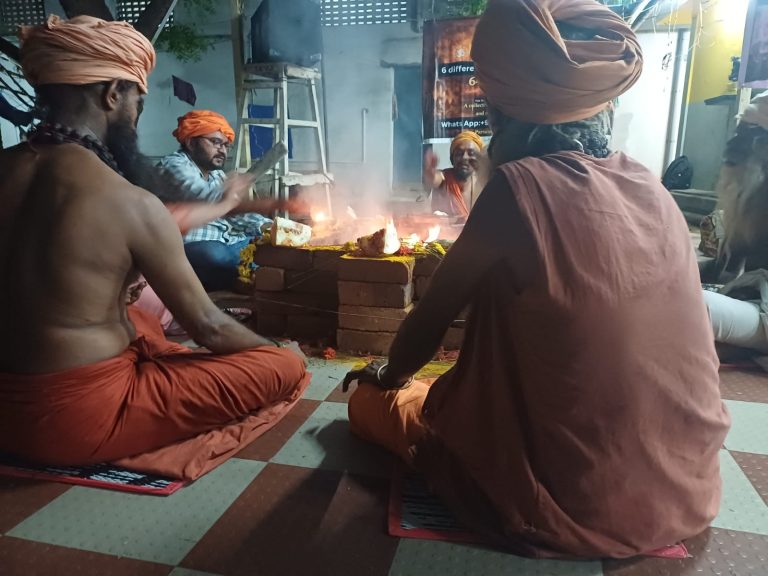
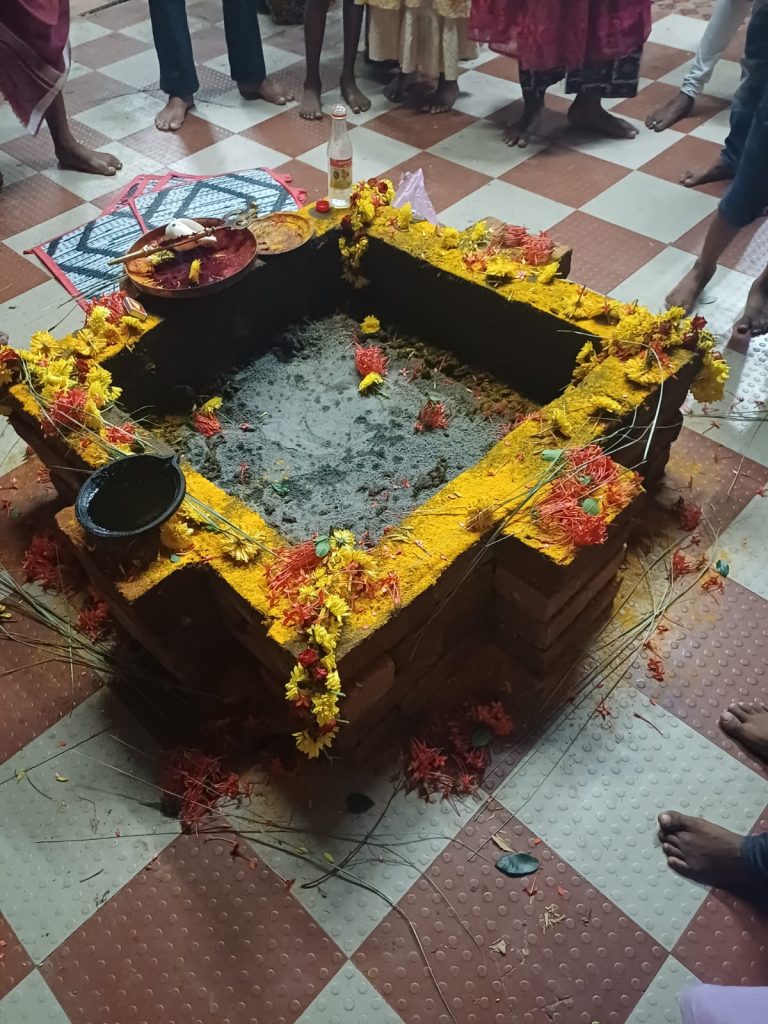
 64 Shakti Peeth Havan – fourth Havan At Chamundi Hills mysore
 64 Shakti Peeth Havan – Third Havan at Kanyakumari
 64 Shakti Peeth Havan – Second Havan in Kanchipuram







Leave a Reply