 ARUN'S YOGA
 ARUNSYOGA
Understanding the Teachings of Tejobindu Upaniṣad
The verses of Tejobindu Upaniṣad remind us that every thought we have creates a veil over the true understanding of reality. As we navigate through life, we often mistakenly identify our sense of self with various thoughts, objects, and experiences. This article delves into the verses 49 to 51 to illuminate the essence of self and perceptions.
The Illusion of the Self
According to the Upaniṣadic wisdom presented in these verses, everything conceived in the world is merely a construction of the mind. It discusses the idea that all notions of “mine,” “yours,” as well as various superimpositions such as the identities of protector and creator attributed to deities like Viṣṇu and Brahmā, are mere illusions. This serves as a critique of the ego and the layers of identity we build over our true self, resulting in a state of confusion and distraction from the actual essence of existence.
Unveiling Reality
To comprehend these teachings, it is critical to understand the nature of reality according to Vedanta philosophy. The distinction of “I,” “you,” or any dualistic perception must be transcended to reach a realization of non-duality. The Upaniṣads suggest that certainty lies not in differentiated perceptions but in recognizing the singular existence of the Self.
The Concept of Mithya
A key term arising from this dialogue is “Mithya,” which refers to the illusory aspect of our perceived experiences and identities. Everything that we categorize, label, and perceive ultimately holds no ultimate reality outside our minds. They are a theater created by our thoughts and illusions. Thus, once we understand that such multiplicities do not represent the truth, we can step onto the path of liberation from these conventional illusions.
Brahman as the Ultimate Reality
The ultimate teaching encompasses the understanding that only Brahman, the non-dual reality, exists beyond our confounded thought constructs. The statements made in these verses assert that phrases attributing action—like creation or protection—to divine figures are distractions that keep one embroiled in the layers of identification that are not one’s true nature.
Reflection on “I” and “You”
The exploration of these two words—”I” and “You”—leads one to the profound realization that without one, the other cannot exist. The interconnectedness depicted in these teachings challenges the validity of dualistic thought and insists on introspection of our real selves, urging individuals to realize that what they often consider the self is nothing but a series of thoughts and constructs.
Conclusion
In sum, the verses from the Tejobindu Upaniṣad provide a powerful perspective on the nature of reality and the illusory sense of self. They encourage one to reflect upon and ultimately rise above the veils of confusion created by thought constructs, leading toward the recognition of the pure, unfettered consciousness that is our true identity. Understanding these intricacies is pivotal in the pursuit of self-realization and spiritual enlightenment.
Frequently Asked Questions
What do the verses of Tejobindu Upaniṣad teach about the nature of the self?
The verses indicate that all concepts of ‘mine’, ‘yours’, and identifications with deities are illusions, suggesting that the true nature of the self transcends these constructs.
What is the significance of the term 'Mithya' in the context of the article?
‘Mithya’ refers to the illusory aspects of our perceived experiences and identities, emphasizing that these do not represent ultimate reality.
How does the Tejobindu Upaniṣad view the actions attributed to deities?
The Upaniṣad critiques such attributions as distractions that keep individuals from recognizing their true non-dual nature and essence.
Test Your Knowledge and Win Coupons to Get Discounts
Have a correction or improvement to suggest?
Log in or create a free accountRelated Videos
 If u think then you are thinking about the thought.Not about the reality.
 To experience reality we need to change the pattern of thought. Please learn to unlearn.
 The brain creates the thought and mind will follow it.
 Sutra are the term denotes ultimate secretes related to nature of visible universe.
 Prakruthi is the ultimate nature of the core feminine.
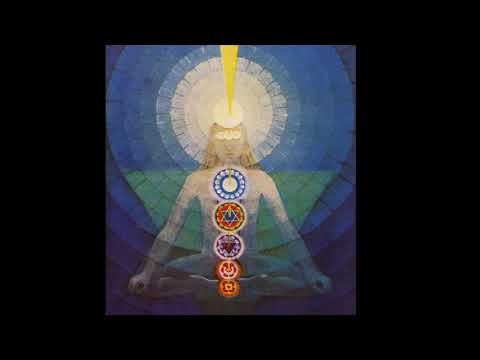 Kundalini Yoga - How It Helps Us To See Reality
 It is important to think in abstract way to understand abstract thought.
 #130 Sri adi shankar. Sheshadri swamigal asrm @thiruvannamalai.









Leave a Reply